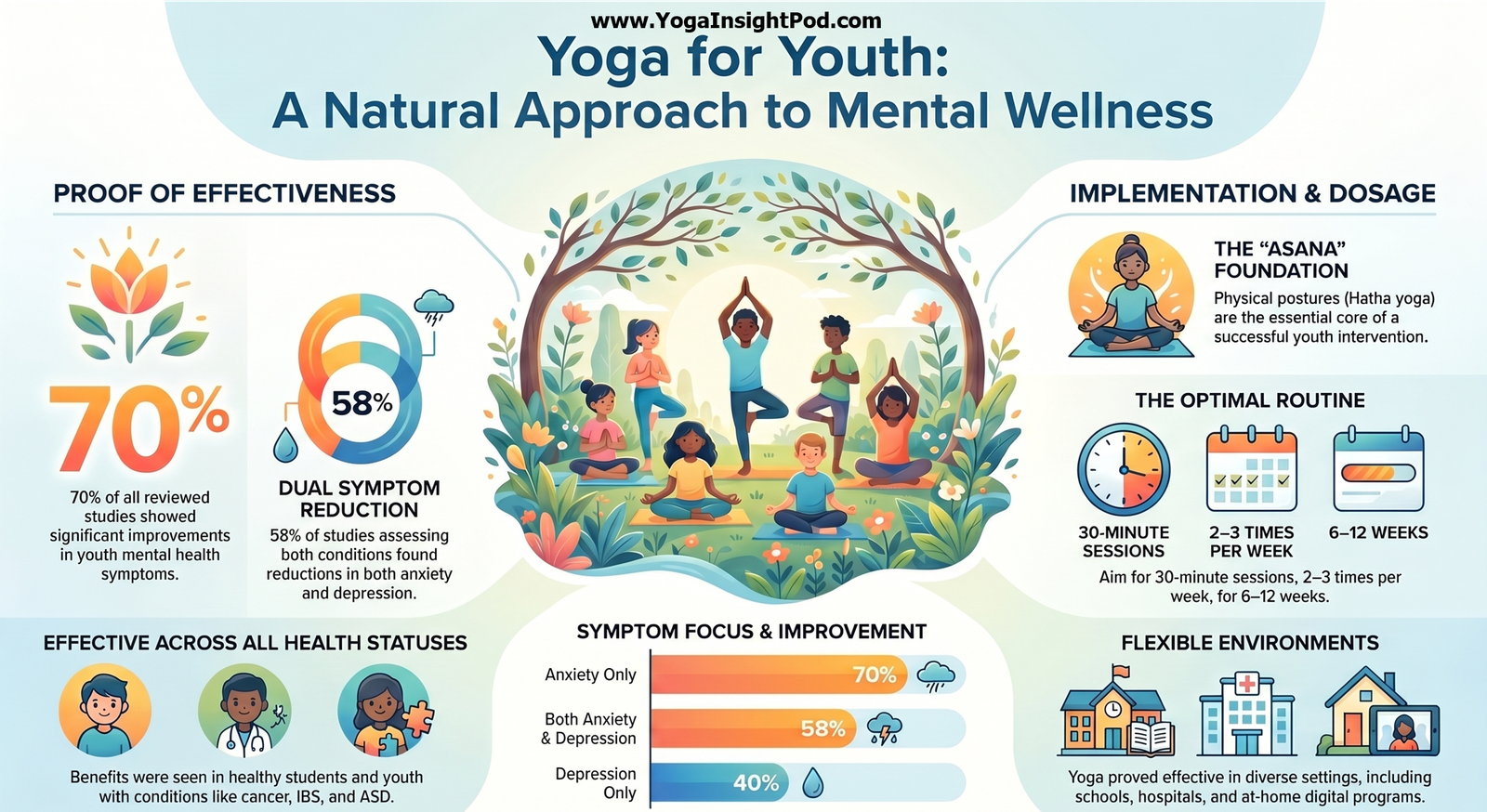
This review brings together 27 studies on yoga for children and adolescents conducted by Jean-Francois Daneault and team at the department of rehabilitation and movement sciences, Rutgers University. It suggests yoga may help reduce anxiety and depression, though stronger research is still needed.
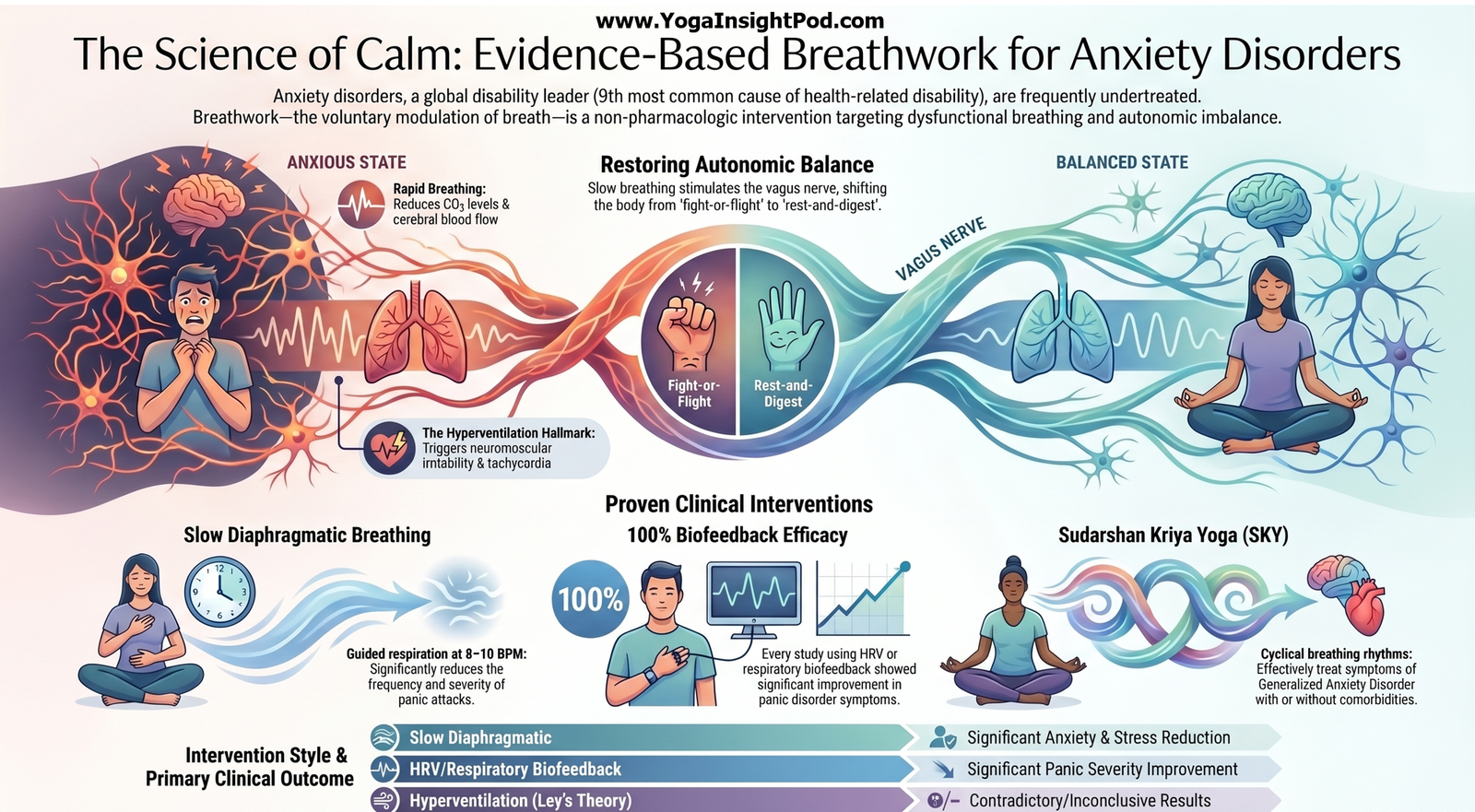
Yoga may be a helpful, low-cost way to support mental well-being in children and teens. A 2020 systematic review examined 27 studies on yoga interventions for youth and found that most showed some improvement in anxiety and/or depression symptoms. The review included children and adolescents with a wide range of backgrounds, from school settings to hospital-based programs. Across the studies, yoga often combined physical postures with breathing, relaxation, meditation, or mindfulness. Even with this variation, 70% of studies reported overall improvements, and many showed reductions in both anxiety and depression.
The evidence is promising, but not perfect. The authors noted that study quality was generally weak to moderate, with differences in program length, session frequency, and outcome measures making it hard to identify the ideal yoga prescription. Some studies also had small samples or limited follow-up, which means the findings should be interpreted carefully. Still, the review highlights yoga as a practical option that may complement standard mental health care, especially in settings where access to therapy is limited. For families, schools, and clinicians looking for supportive tools, yoga stands out as a gentle intervention with potential benefits for both emotional regulation and stress reduction. In short, yoga appears promising for easing anxiety and depression in youth, but future high-quality studies are needed to confirm how well it works and which approaches are most effective.