
Research driven insights and commentary exploring the science behind yoga, mindfulness, and human health.
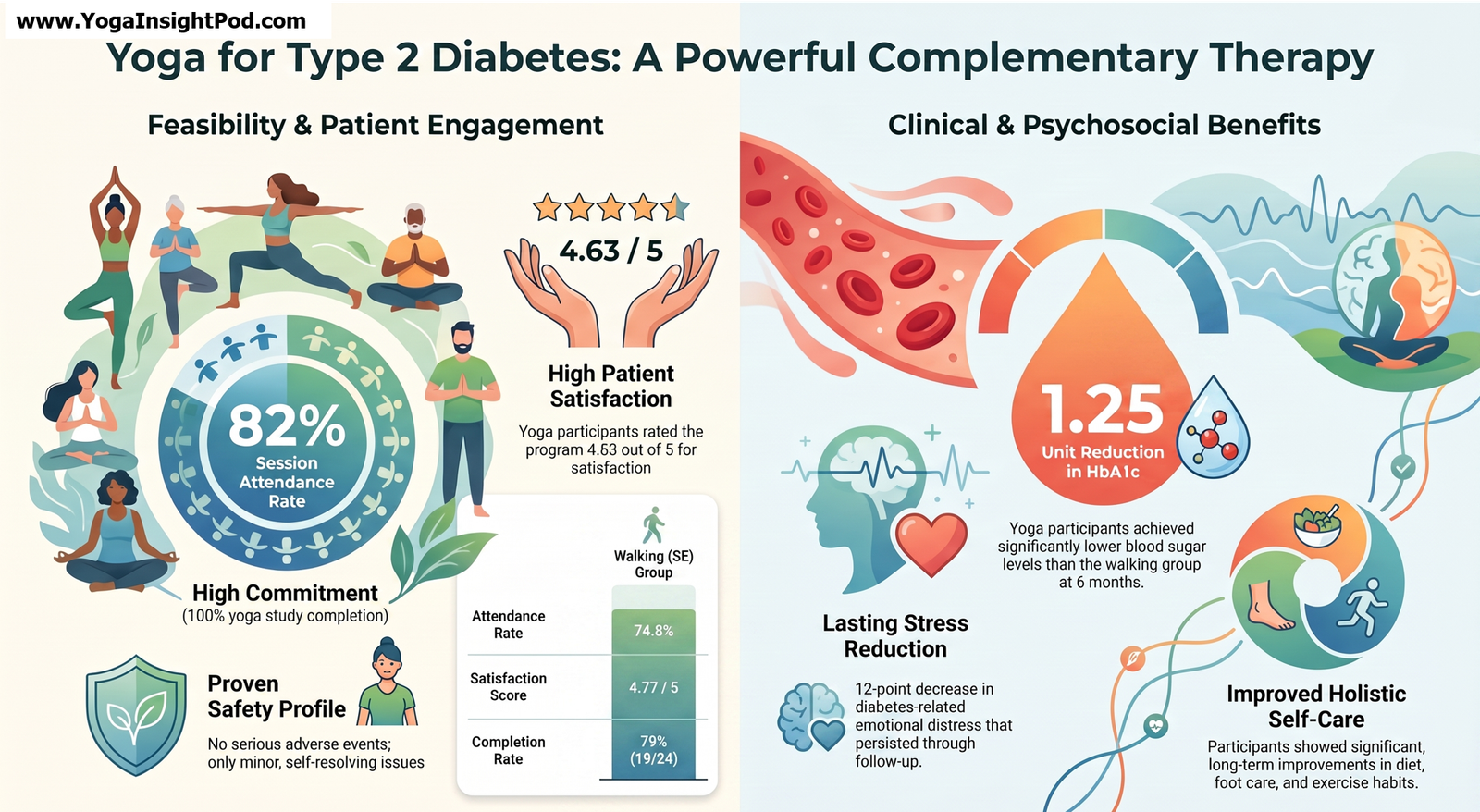
The HA1C study led by Beth Bock and colleagues from Centers for Behavioral and Preventive Medicine, The Miriam Hospital, Alpert Medical School of Brown University explored whether a structured Iyengar yoga program was practical and acceptable for adults with type 2 diabetes and whether the practice might influence blood glucose, self-care, mindfulness, and emotional well-being.
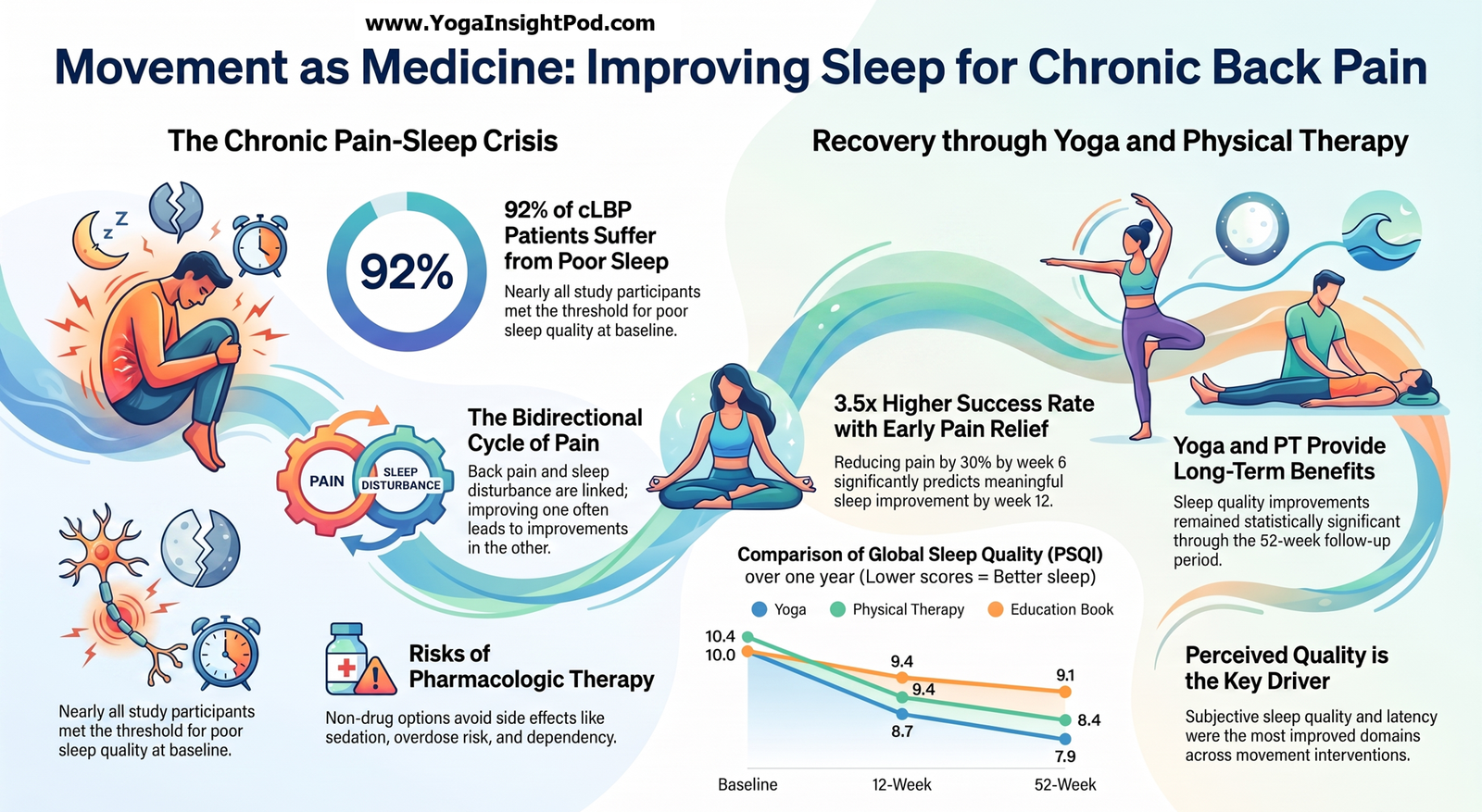
A clinical study led by Eric J. Roseen and colleagues from Boston University School of Medicine, Boston Medical Center, Massachusetts General Hospital Institute of Health Professions, Brigham and Women’s Hospital, Harvard Medical School, Kaiser Permanente Washington Health Research Institute, and the University of Washington examined whether yoga could improve sleep quality in adults experiencing chronic low back pain. The findings suggest modest improvements after yoga, with sleep benefits that may continue over the longer term.
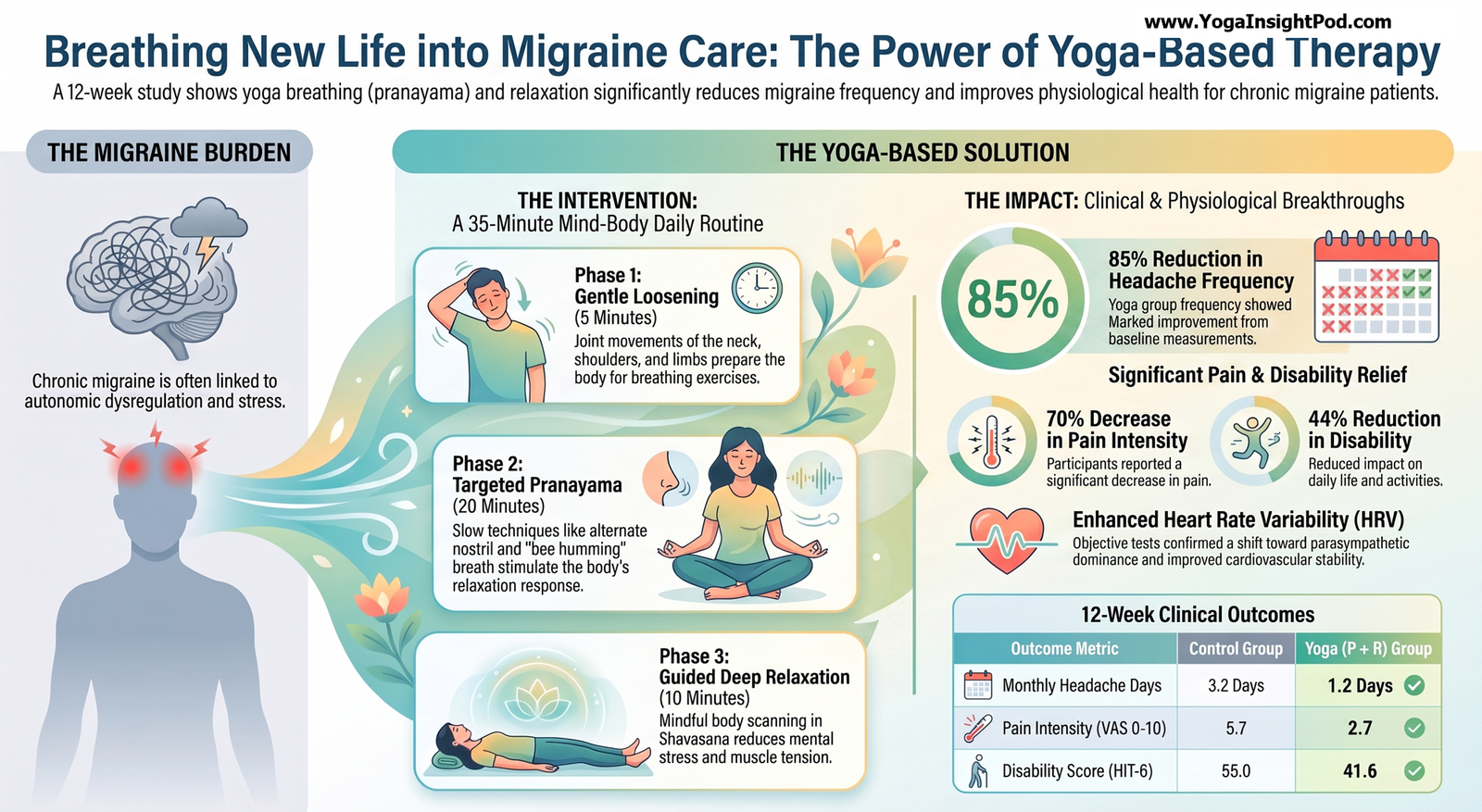
A randomized controlled trial led by M.U. Sujan, Talakad N Sathyaprabha and colleagues from JSS Academy of Higher Education and Research, Central Research Institute of Yoga and Naturopathy, Central Council for Research in Yoga and Naturopathy, MGM Arogya Dhama, Kodagu Institute of Medical Sciences, National Institute of Mental Health and Neurosciences, and Jindal Nature Cure Institute examined whether structured pranayama and relaxation could complement standard migraine treatment. The findings connect a regular yoga-breathing practice with measurable changes in HRV, heart rate, blood pressure, and clinical outcomes.
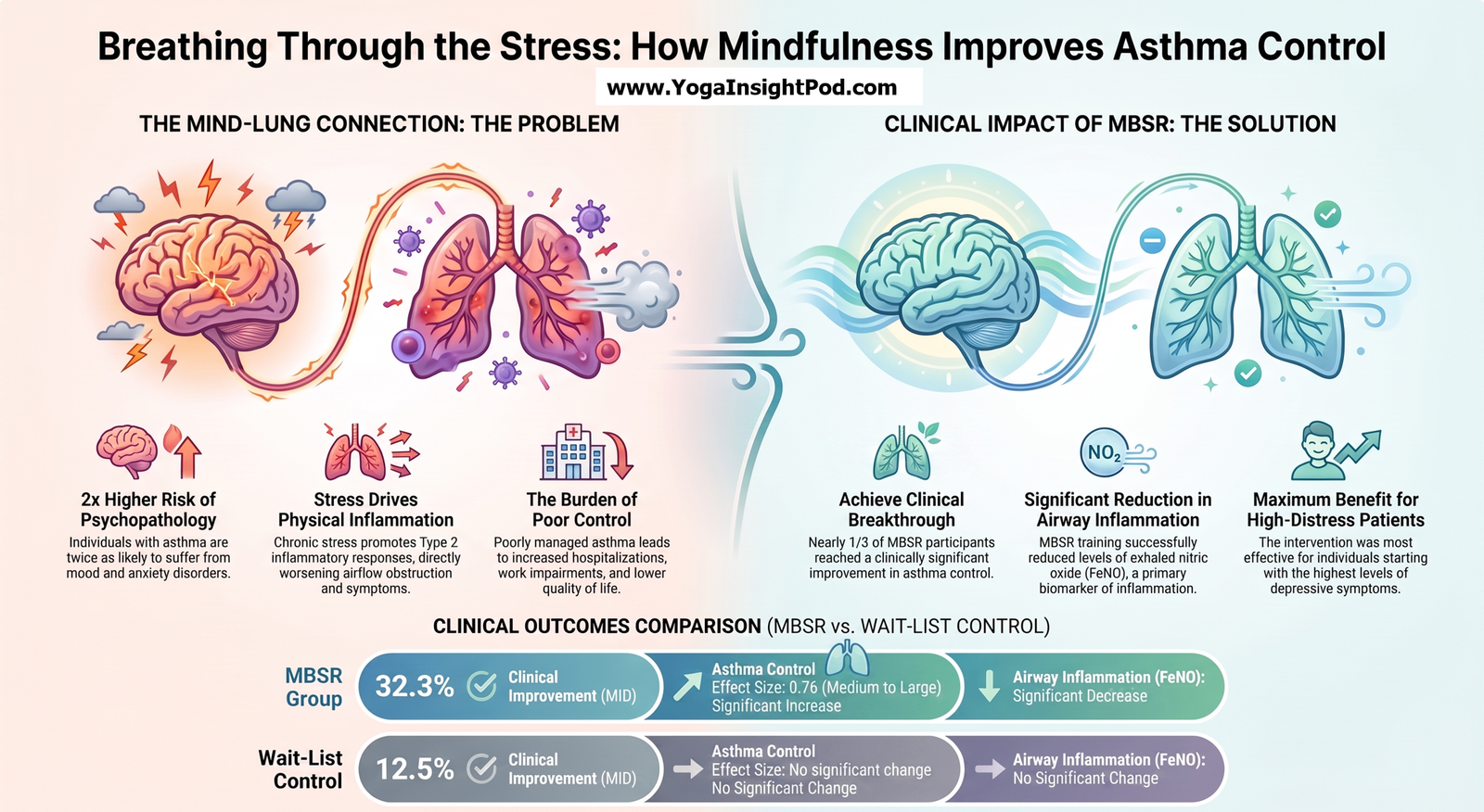
Mindfulness-Based Stress Reduction is designed to change how we relate to stress, emotions, and bodily experiences. A randomized clinical trial led by Melissa A Rosenkranz and colleagues from University of Wisconsin-Madison, and University of Wisconsin School of Medicine and Public Health-Madison explored whether these changes could also be associated with clinically meaningful physical outcomes.
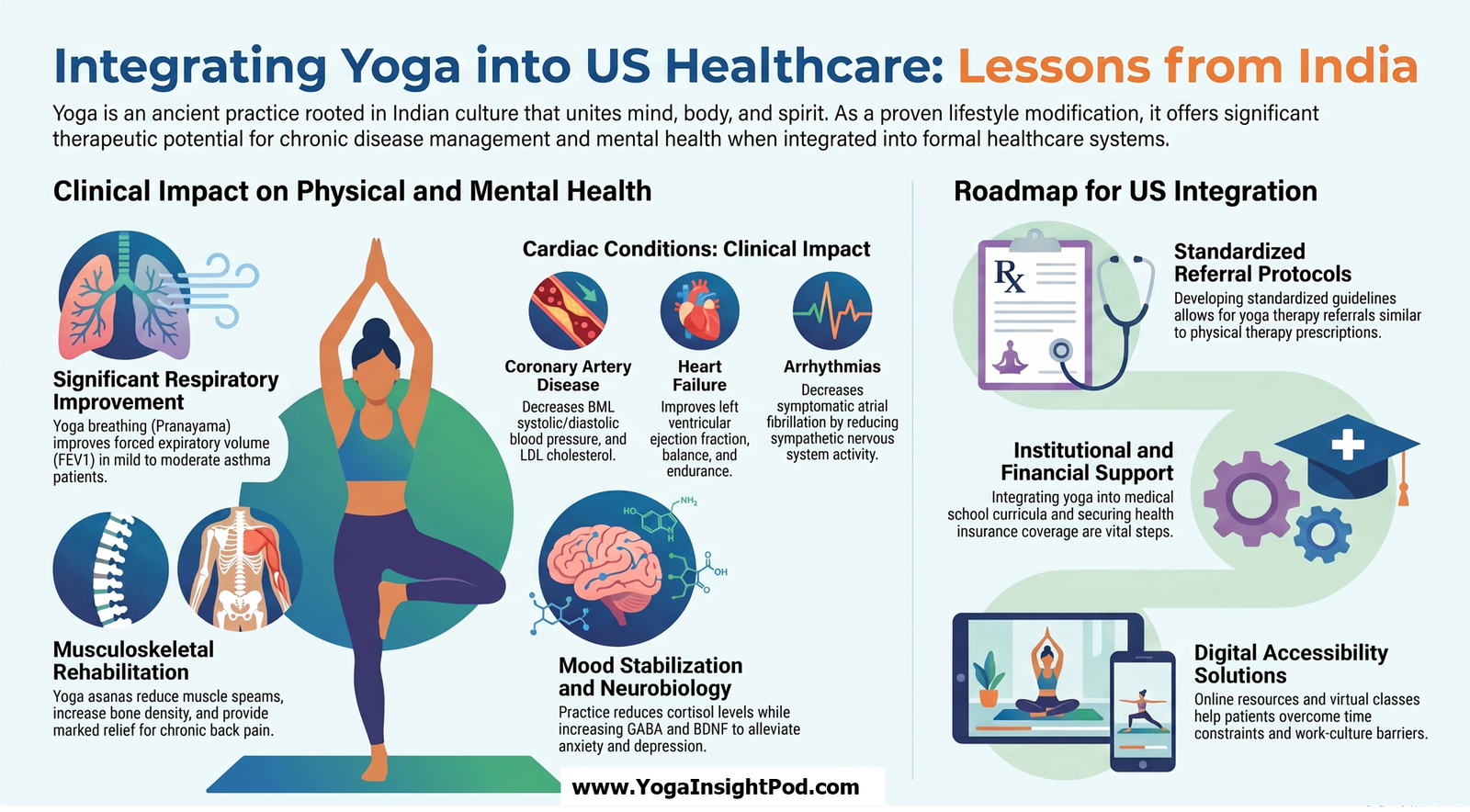
Could yoga become a more formal part of American healthcare? A narrative review by Puja Yatham and colleagues from Herbert Wertheim College of Medicine and Jagadguru Sri Shivarathreeshwara Medical College examines India's experience integrating yoga into healthcare and identifies opportunities, barriers, and potential pathways for the United States.
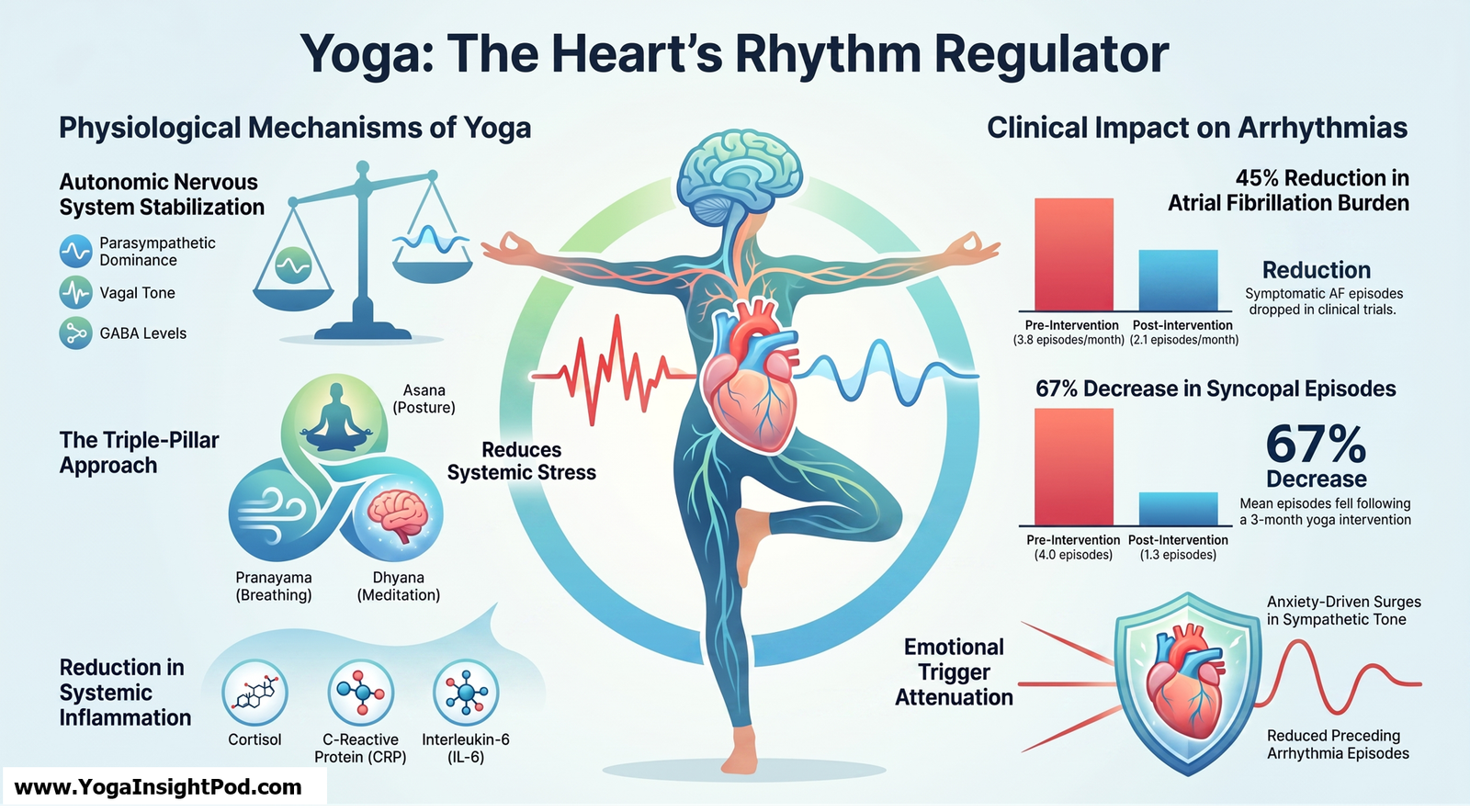
Yoga may influence heart rhythm through its effects on breathing, stress, vagal activity, and autonomic regulation. A scientific review by Dhanunjaya Lakkireddy, and colleagues affiliated with the Kansas City Heart Rhythm Institute, Texas Heart Rhythm Institute, Overland Park Regional Medical Center, Icahn School of Medicine at Mount Sinai, Sri Jayadeva Institute of Cardiovascular Sciences and Research, and the University of Memphis explores what this could mean for atrial fibrillation, syncope, and other cardiac arrhythmias.
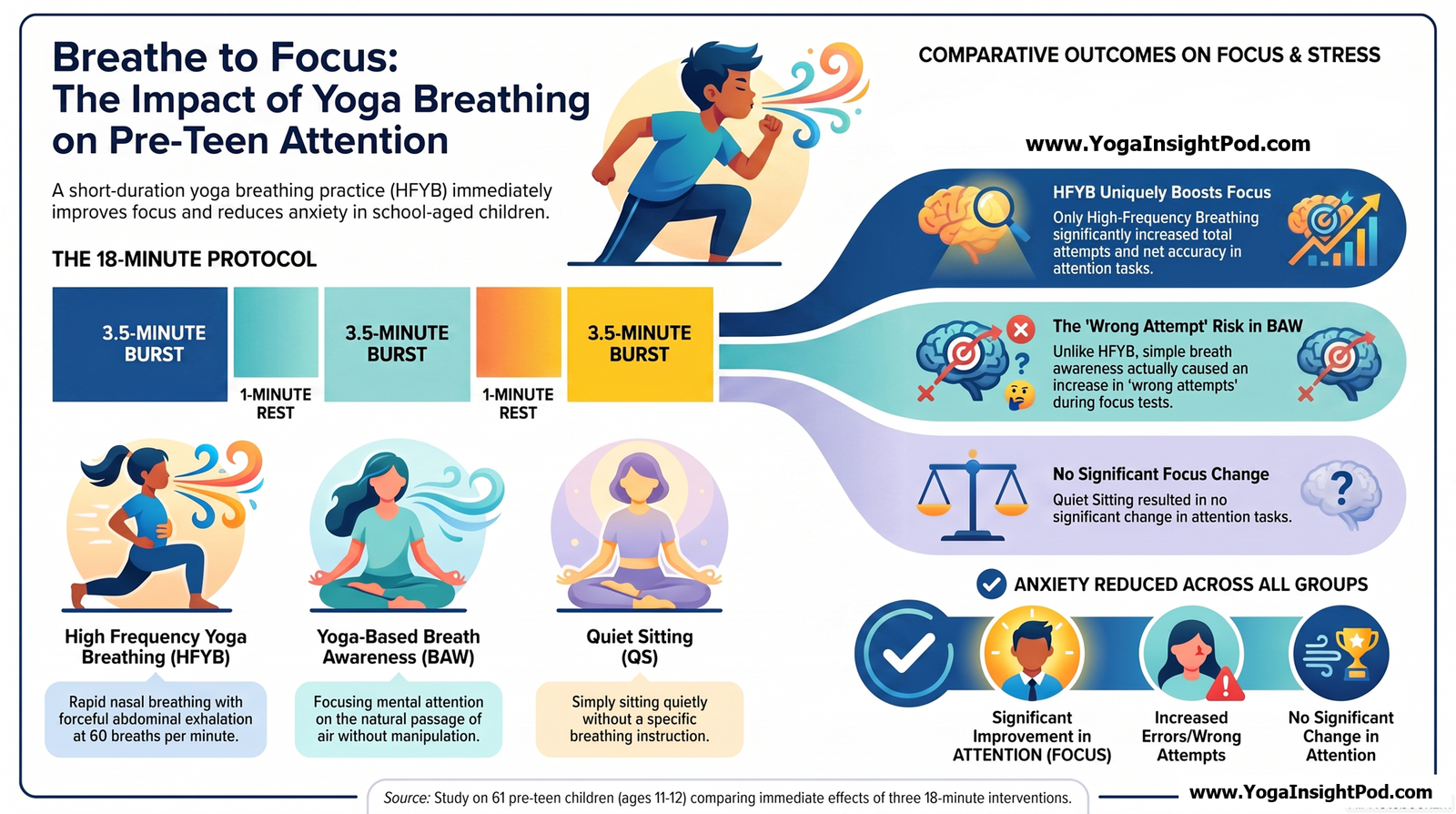
A study of 61 pre-teen children led by Shirley Telles and colleagues from the PatanjaliYogpeeth investigated whether a brief yoga breathing practice could immediately influence attention and anxiety. The findings offer promising but preliminary insights for school-based wellness programs.
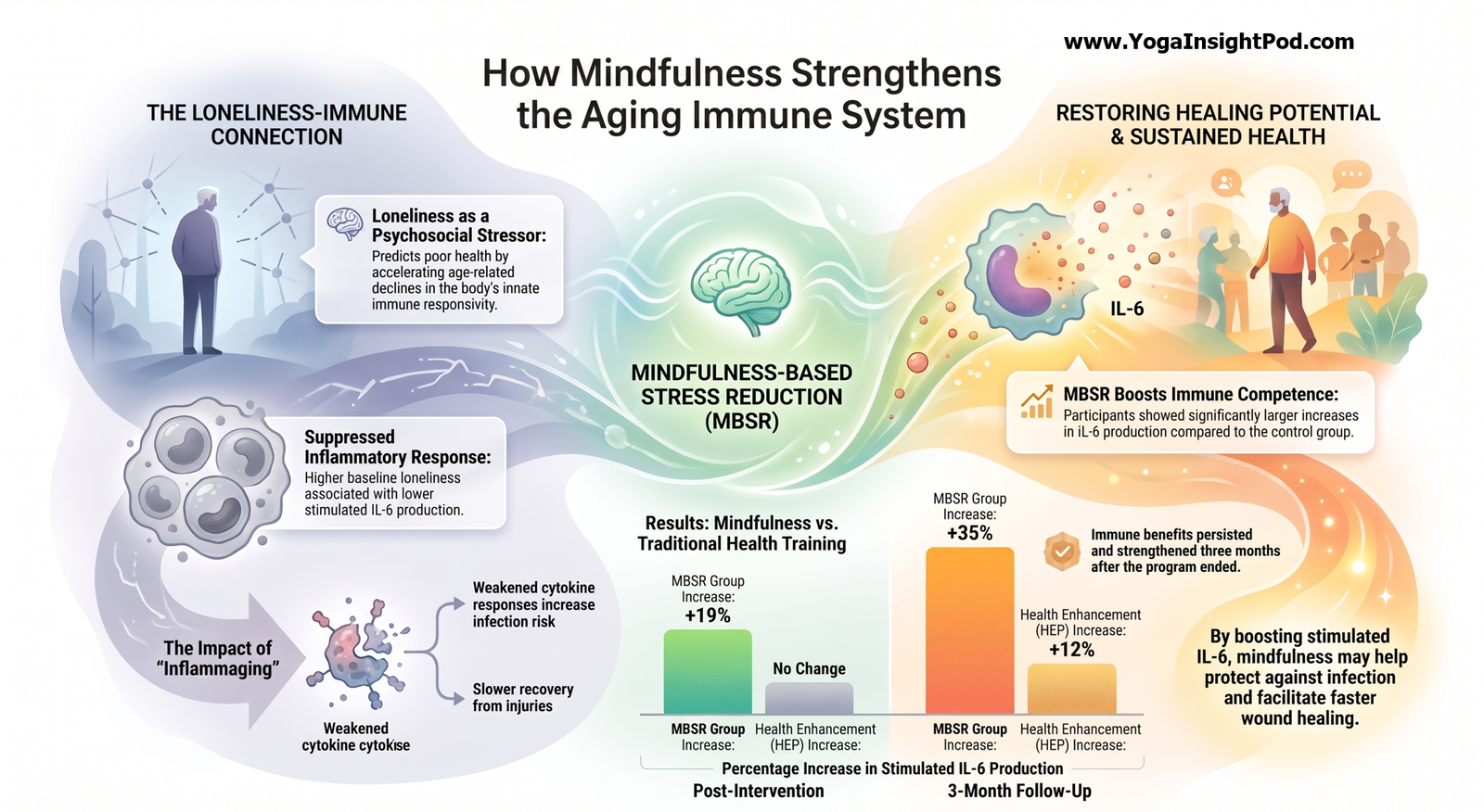
A randomized controlled trial led by Emily K. Lindsay and colleagues from the University of Pittsburgh, Carnegie Mellon University, and Virginia Commonwealth University examined whether Mindfulness-Based Stress Reduction could improve stimulated IL-6 production, a laboratory measure of innate immune responsiveness, among lonely adults aged 65–85.
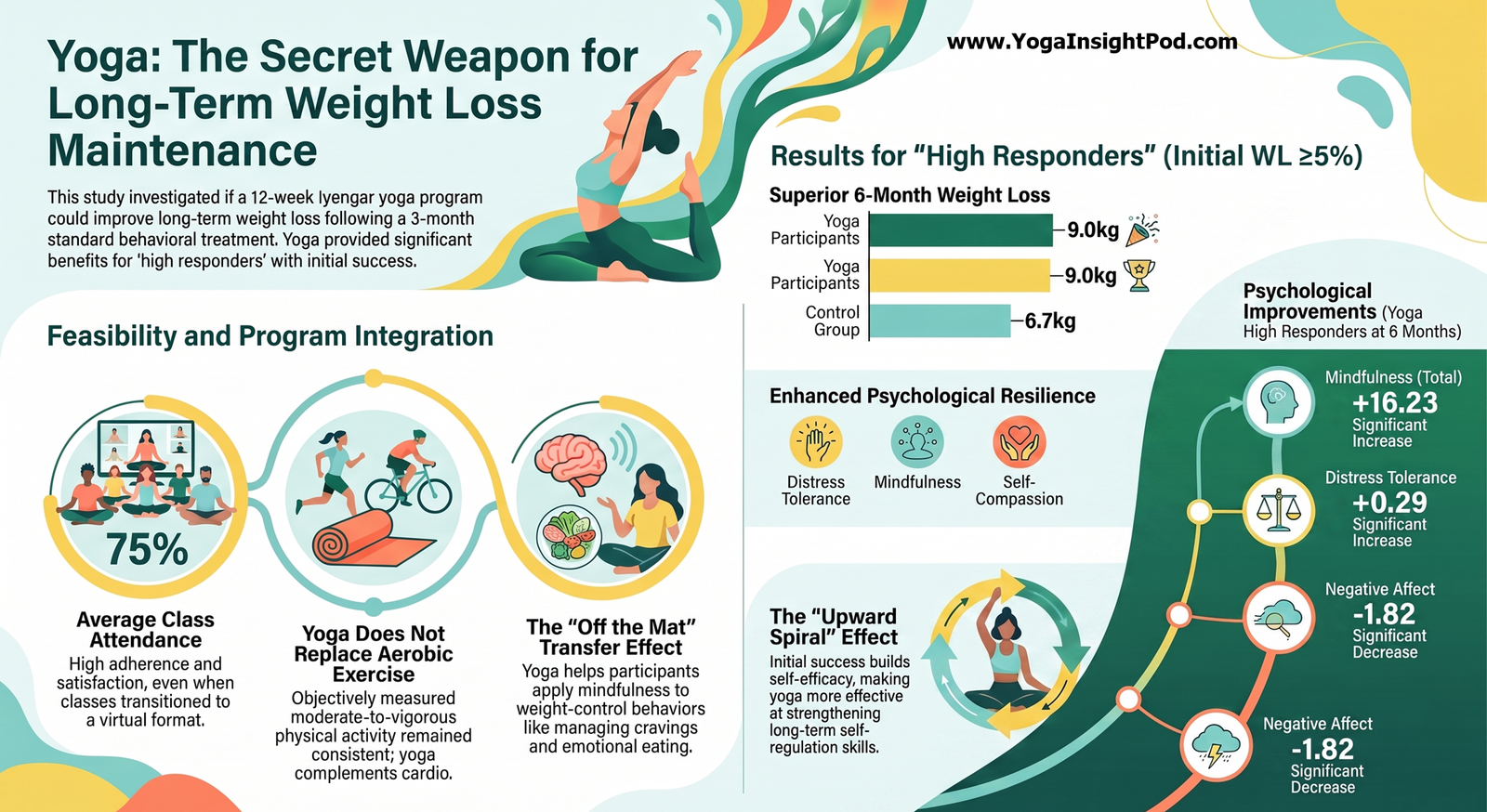
A randomized pilot study by Jessica L Unick and team from The Miriam Hospital, Warren Alpert Medical School at Brown University, Brown University School of Public Health, University of Pittsburgh, and Pennington Biomedical Research Center explored whether Iyengar yoga could support weight-loss maintenance after a behavioral weight-loss program. The findings suggest that yoga’s potential benefits may depend on how much weight participants initially lost.
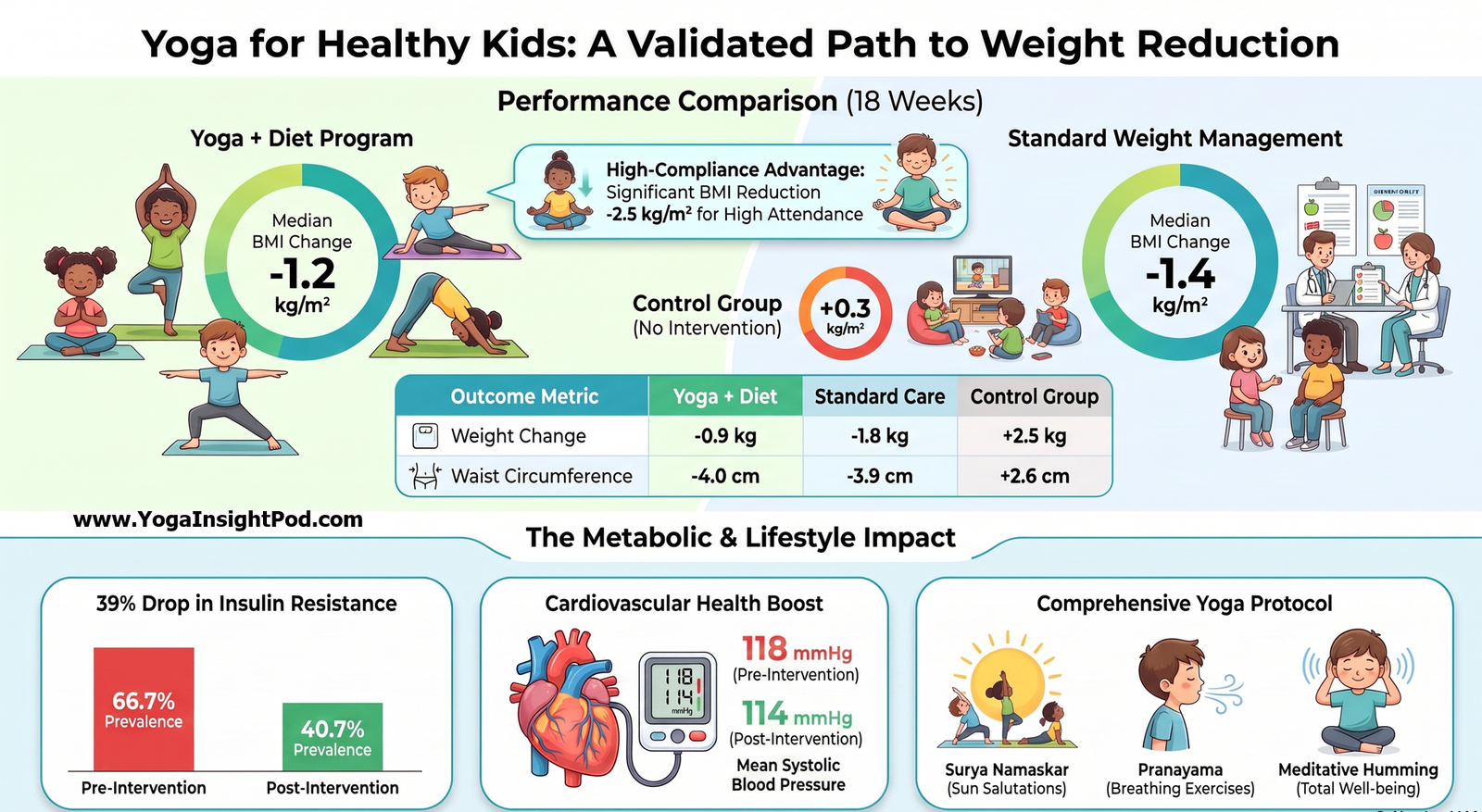
A randomized controlled trial by Vandana Jain and team from All India Institute of Ayurveda investigated whether a comprehensive yoga program combined with dietary modification could reduce BMI and improve health indicators in children and adolescents with obesity.
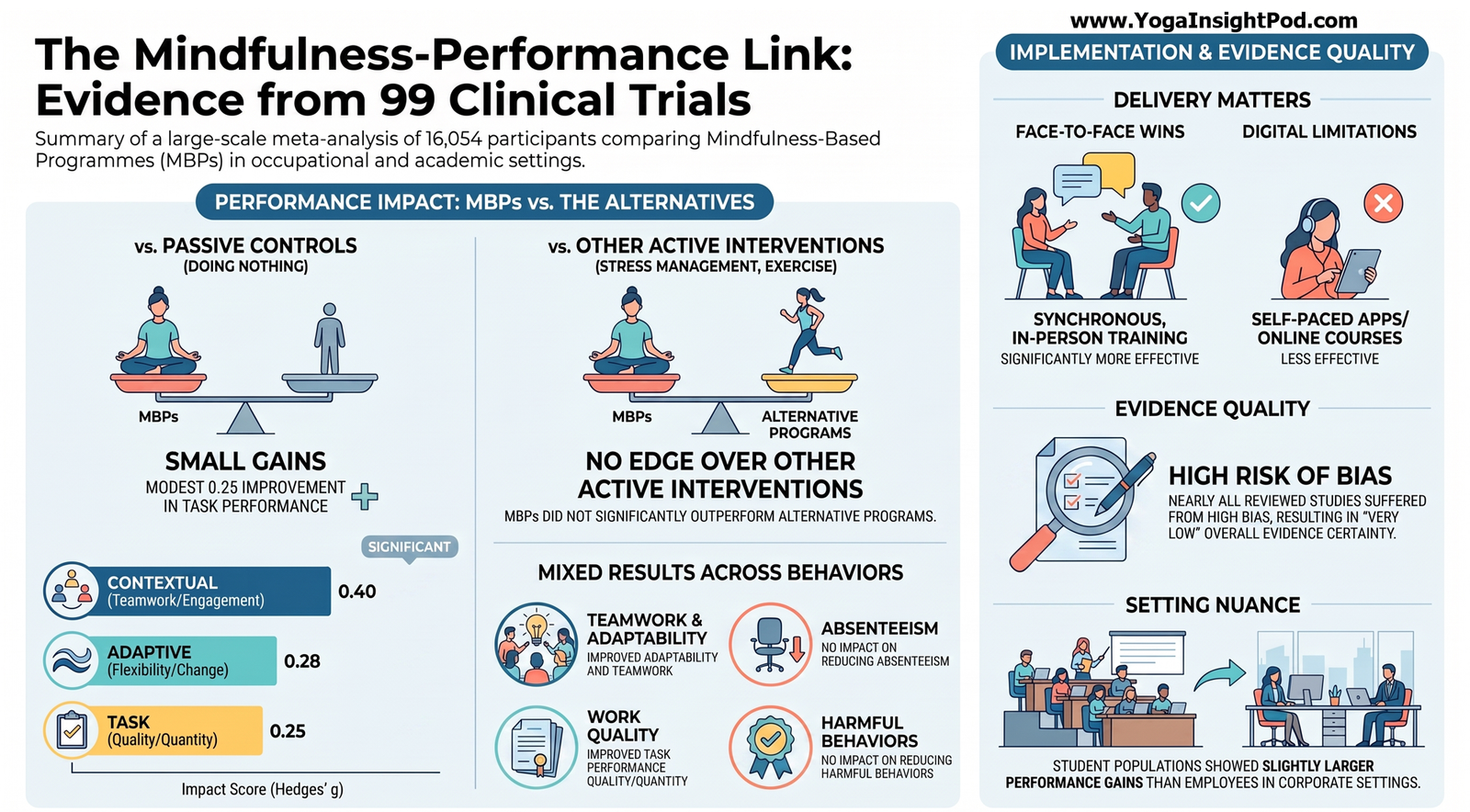
A new meta-analysis of 99 randomized clinical trials by Maris Vainre, Julieta Galante et. al., and team from University of Cambridge, University of Tartu, University of Melbourne, Cambridgeshire and Peterborough NHS Foundation Trust, North East London NHS Foundation Trust, and Norfolk and Suffolk NHS Foundation Trust investigates whether mindfulness-based programs improve productivity, work performance, adaptability, and professional success. Discover what the latest evidence means for employees and organizations.
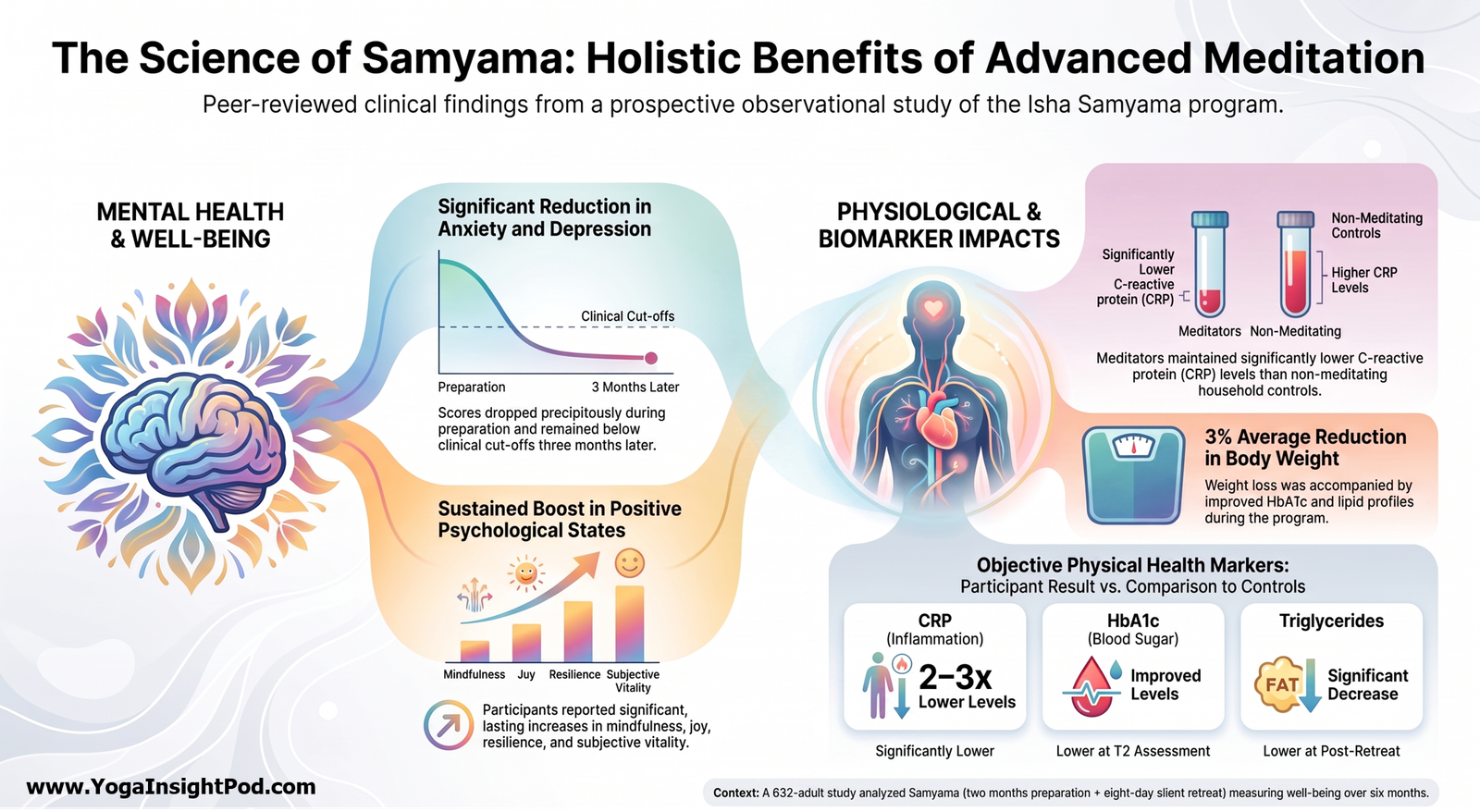
A scientific review of how intensive yoga, meditation, and preparatory lifestyle practices were associated with improvements in anxiety, depression, mindfulness, inflammation, and metabolic health.
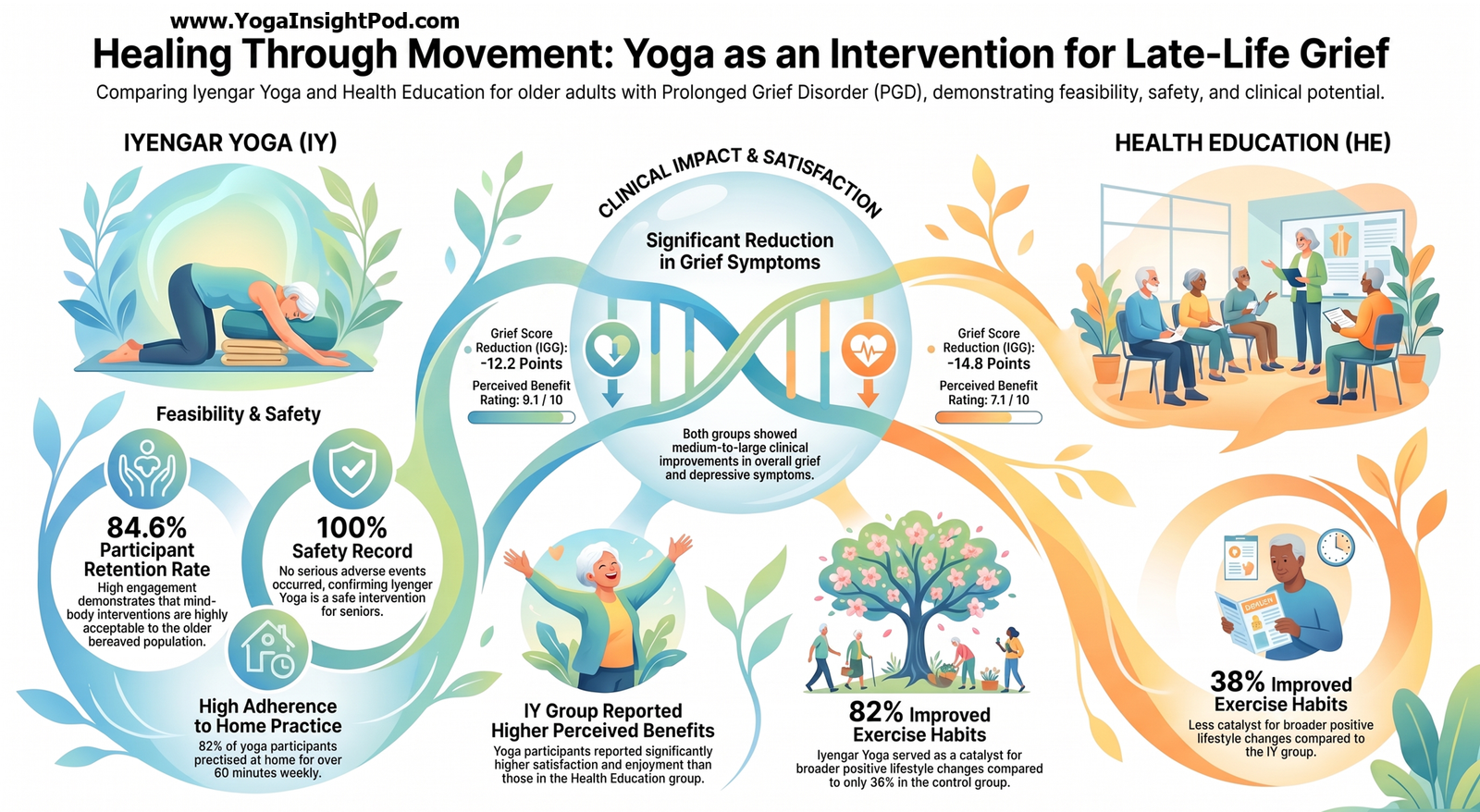
A pilot randomized trial by Joseph S Goveas and team from Medical College of Wisconsin, Milwaukee Yoga Center, and University of Pittsburgh School of Medicine explored whether Iyengar yoga is safe, practical, and acceptable for adults experiencing prolonged grief later in life. Both yoga and health education participants improved, although larger studies are needed to determine yoga’s specific clinical benefits.
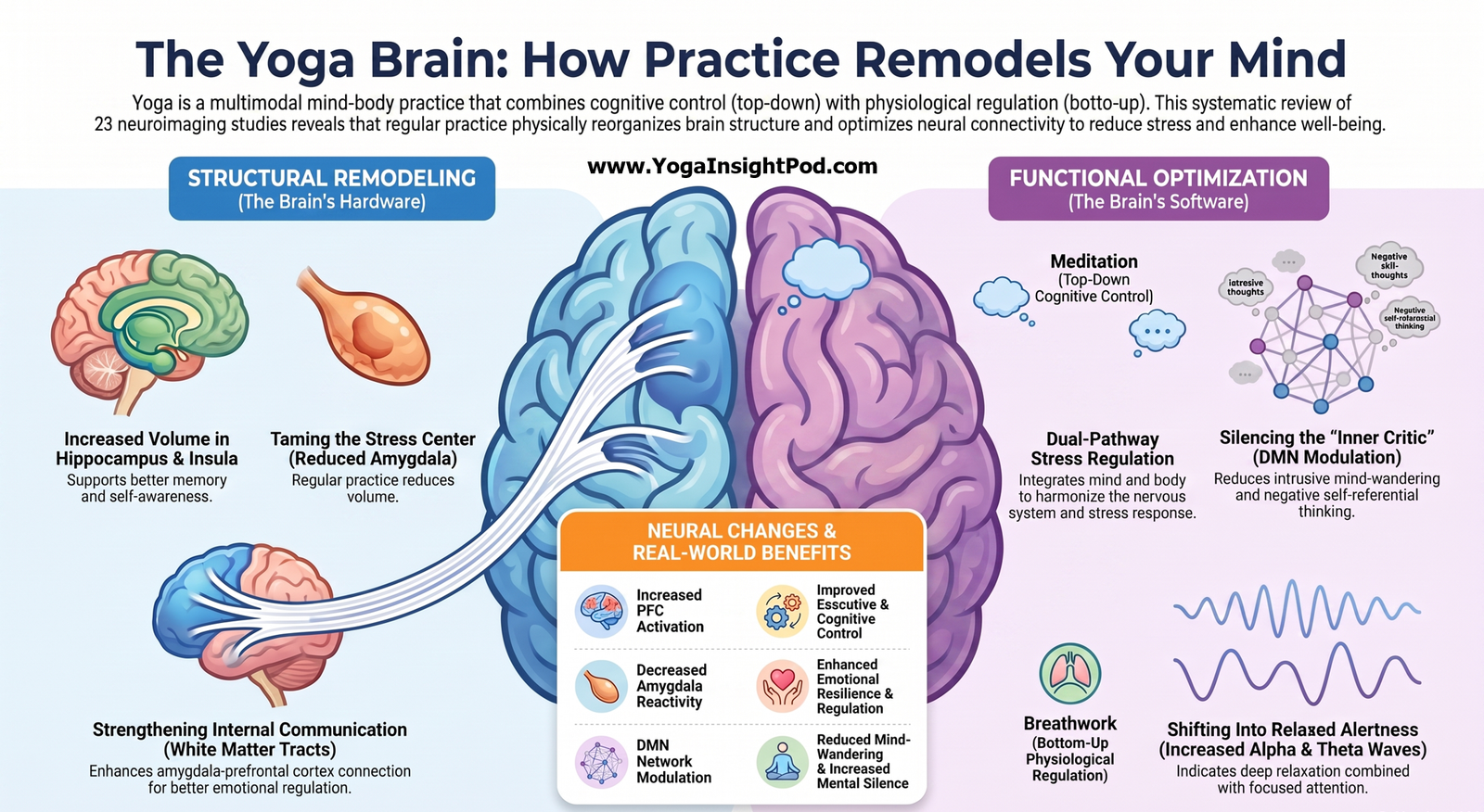
A systematic review by Samuel Arias-Sánchez and team from University of Seville of brain-imaging studies suggests that yoga may influence neural networks involved in stress, attention, memory and emotional regulation. However, the findings also reveal important limitations in the current evidence.
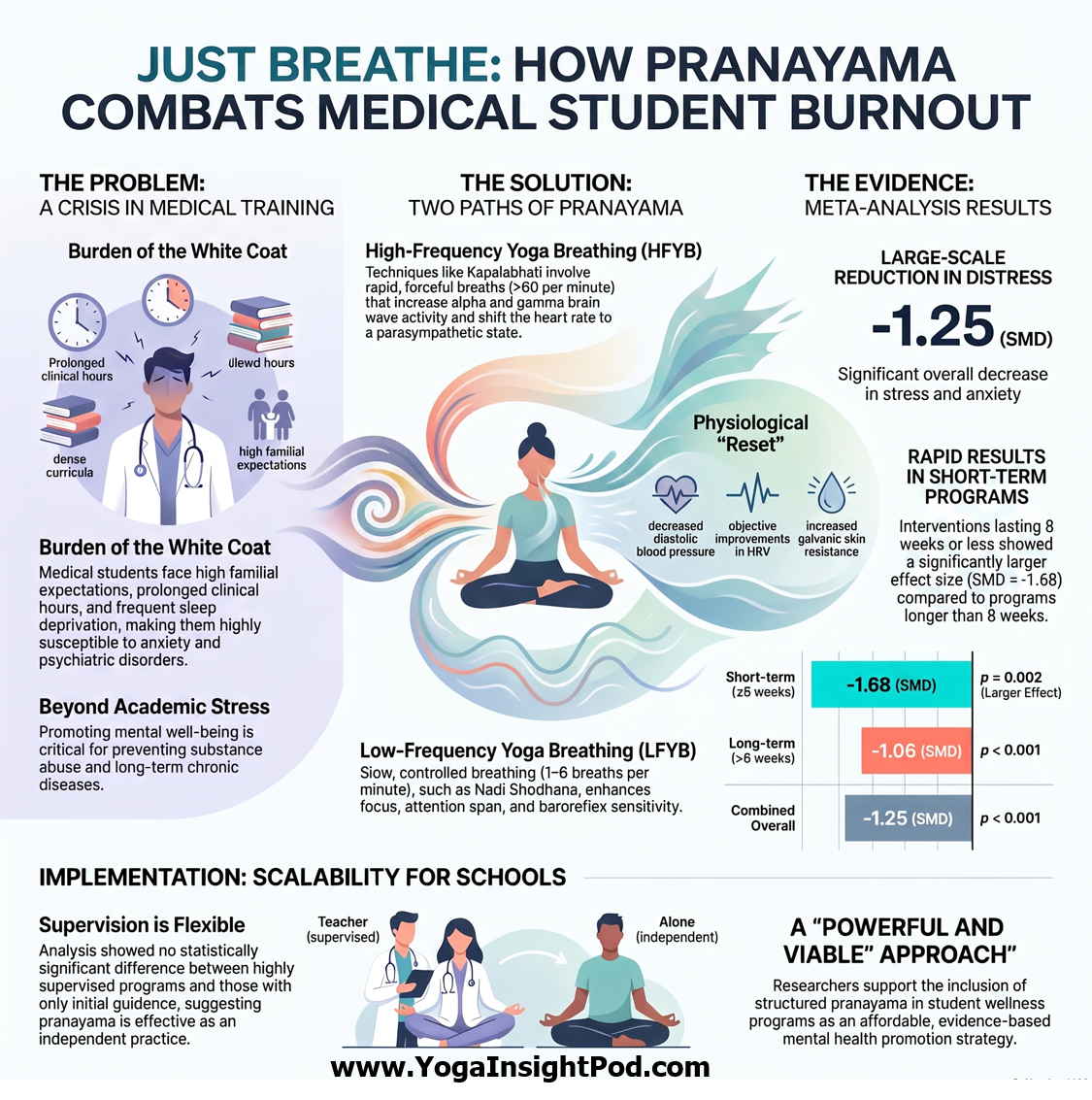
Discover how pranayama significantly reduced stress and anxiety among medical students worldwide. Learn what the latest systematic review by Sonia Kochhar and team from All India Institute of Medical Sciences says about yoga breathing, mental resilience, and academic wellness.
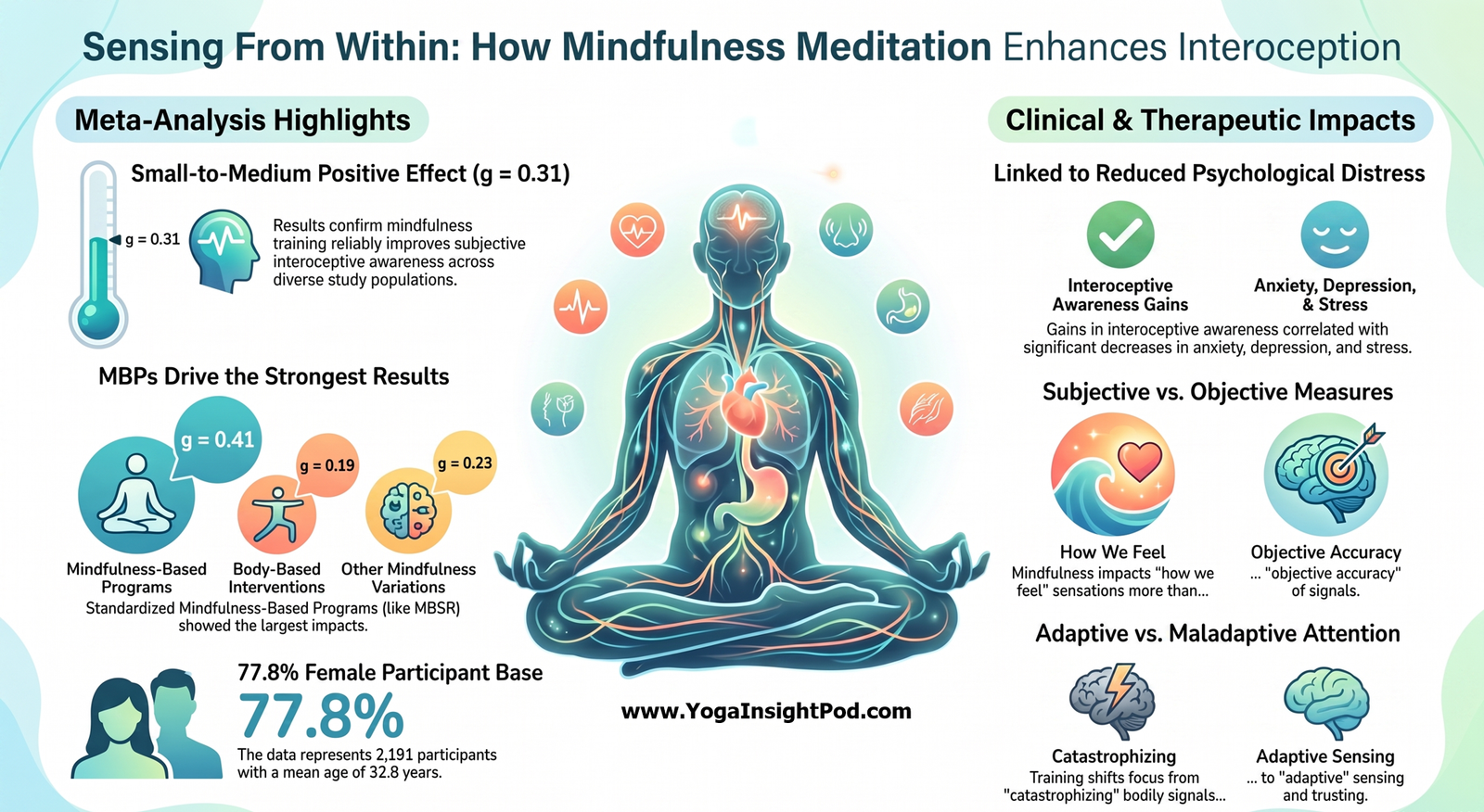
A new meta-analysis of 29 randomized clinical trials by Isaac N. Treves, Sahib S. Khalsa and team from Columbia University Irving Medical Center, Virginia Tech, University of Colorado Denver, French Armed Forces Biomedical Research Institute, Université de Paris, Laureate Institute for Brain Research, University of California, University of Wisconsin-Madison, Cambridge Health Alliance, Harvard Medical School, and University of California at Los Angeles shows that mindfulness meditation significantly improves interoception the awareness of internal body sensations providing new insight into how meditation supports mental health and emotional resilience.
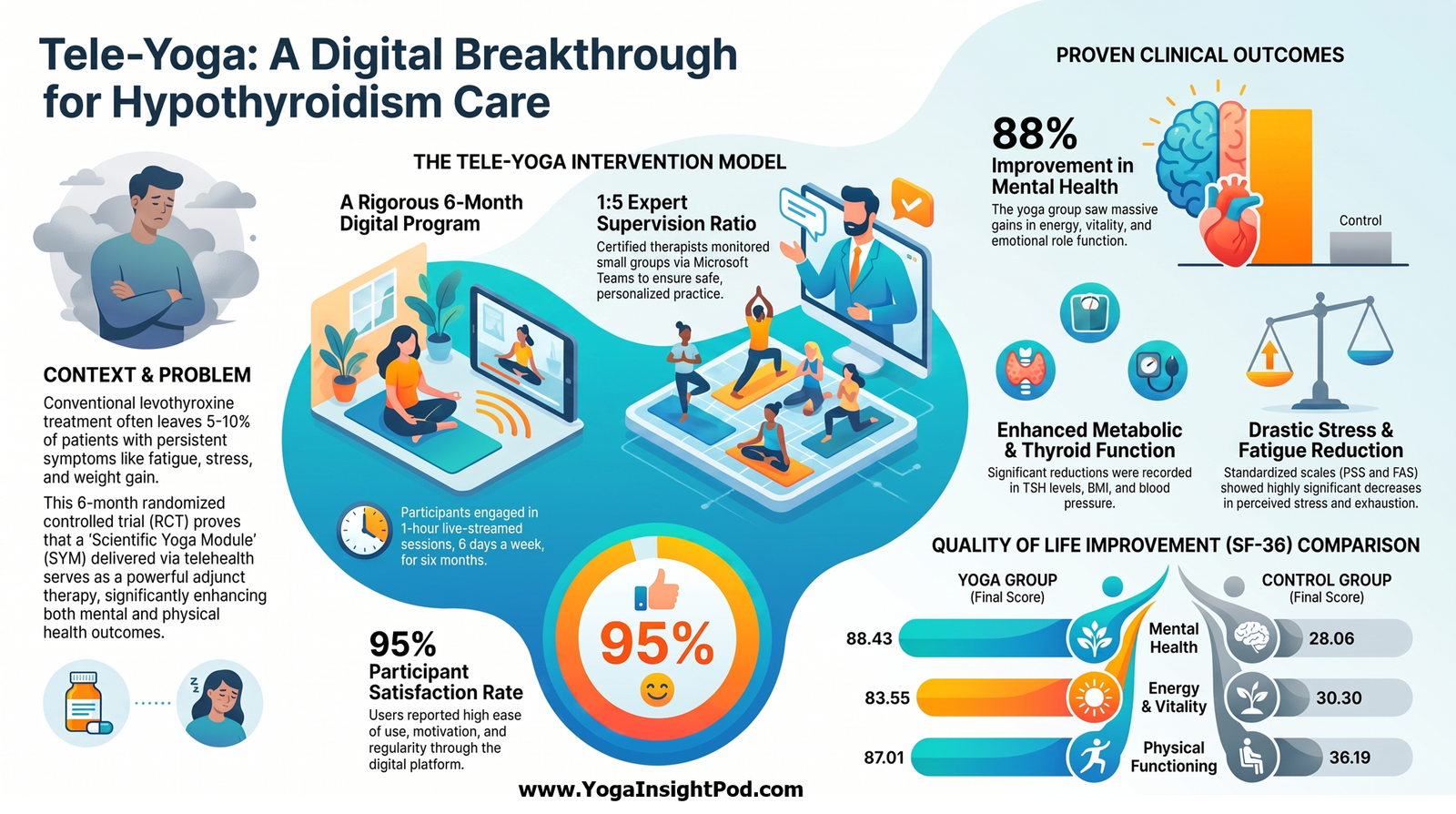
Can adding yoga to thyroid medication improve daily life? A new randomized controlled trial by Amit Singh and team from Swami Vivekananda Yoga Anusandhana Samsthana, and Manipal Academy of Higher Education suggests that a structured scientific yoga program delivered online may substantially improve physical health, mental well-being, fatigue, stress, and overall quality of life for people with hypothyroidism.
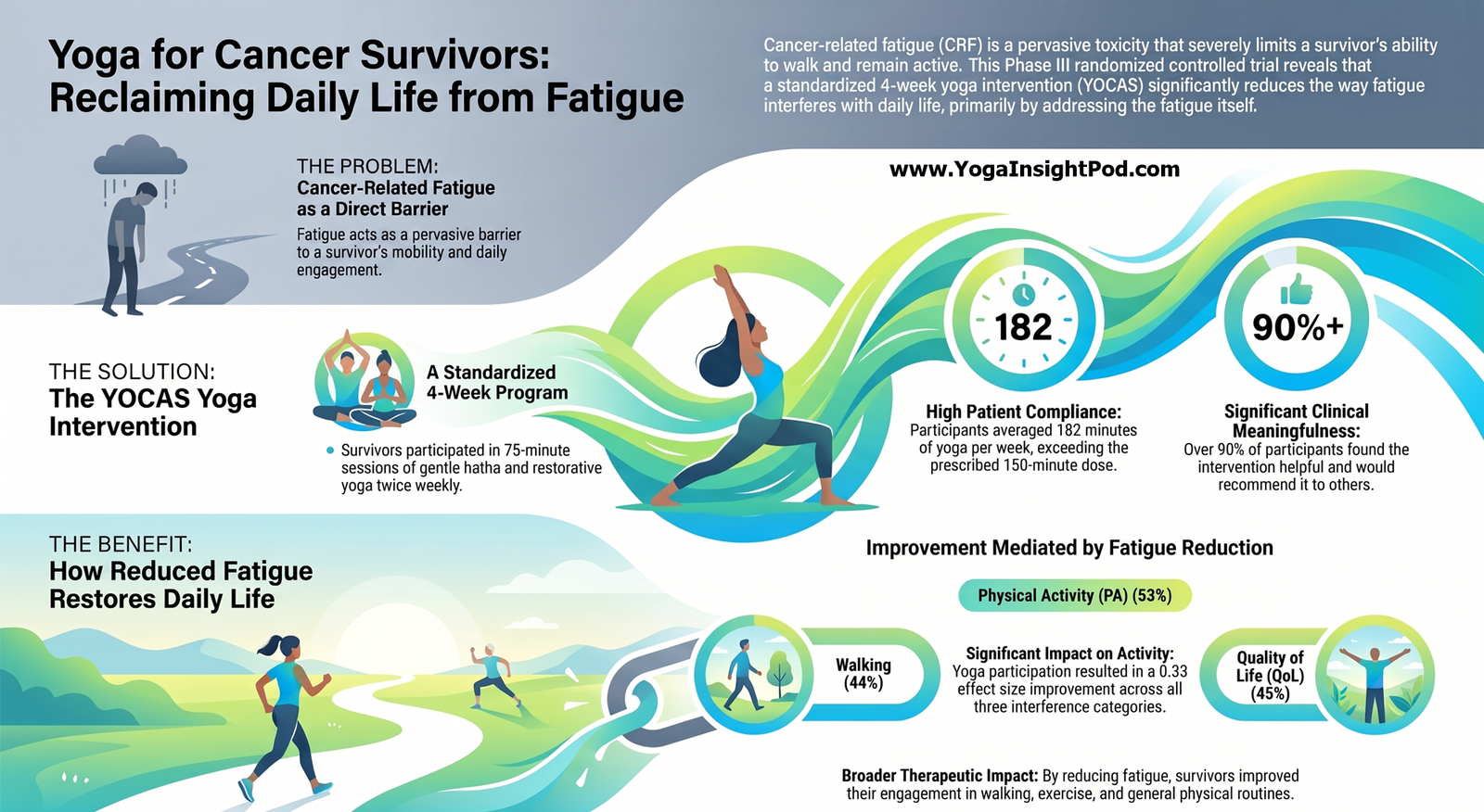
Discover how a structured yoga program reduced cancer-related fatigue and helped survivors walk more, stay active, and enjoy a better quality of life. Learn what one of the largest randomized clinical trials by Po-Ju Lin and team from University of Rochester Medical Center, University of Rochester, Cancer Research Consortium of West Michigan NCORP, NCORP of the Carolinas (Greenville Health System), Southeast Clinical Oncology Research Consortium NCORP reveals about yoga in supportive cancer care.
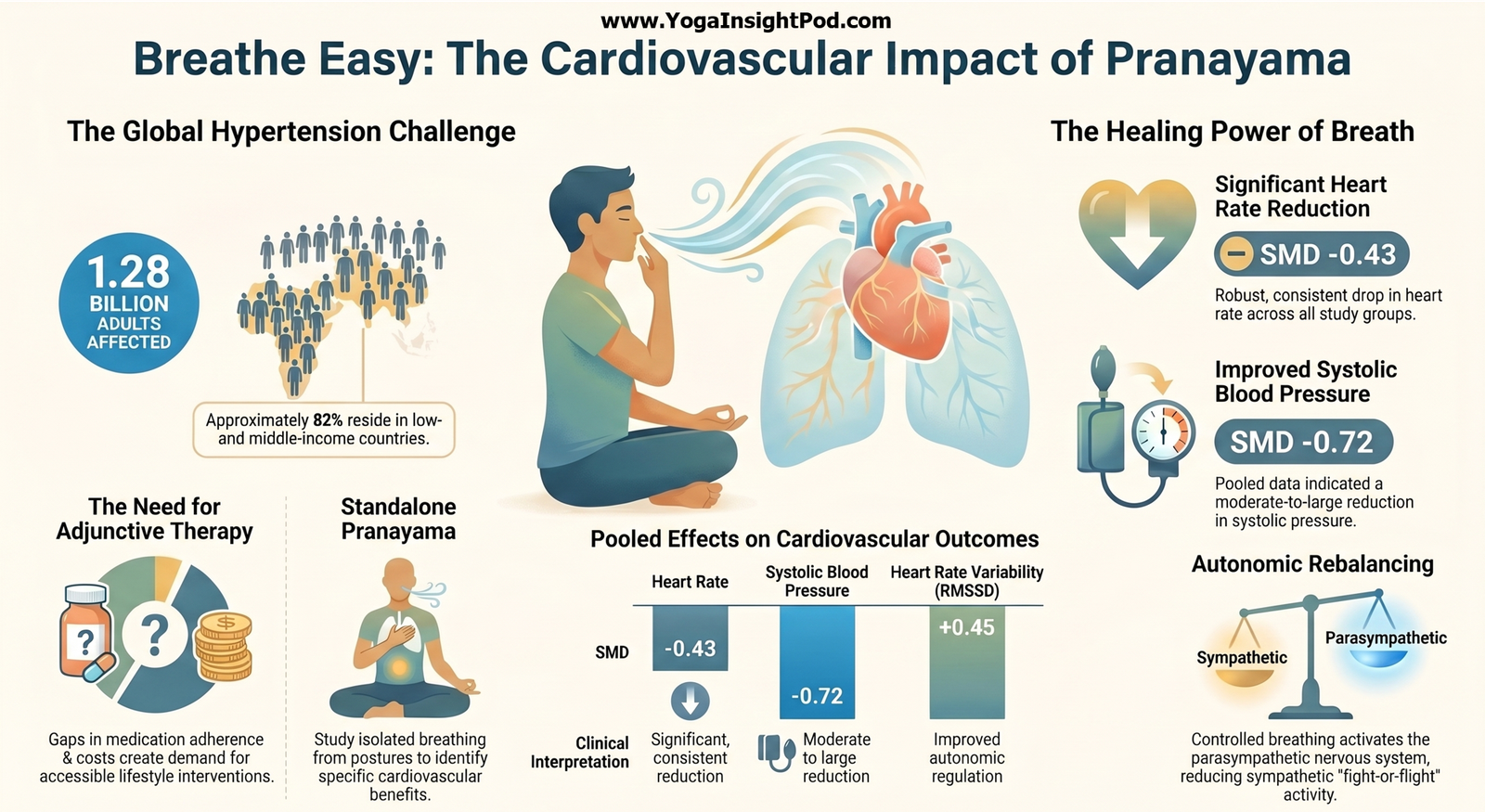
A new systematic review by Nagendra Boopathy Senguttuvan and team from Sri Ramachandra Institute of Higher Education and Research, Government Yoga and Naturopathy Medical College and Hospital, Centre for Chronic Disease Control, and All India Institute of Medical Sciences suggests that pranayama may help lower heart rate and support blood pressure management in people with hypertension. Discover what the latest evidence says about yogic breathing and cardiovascular health.
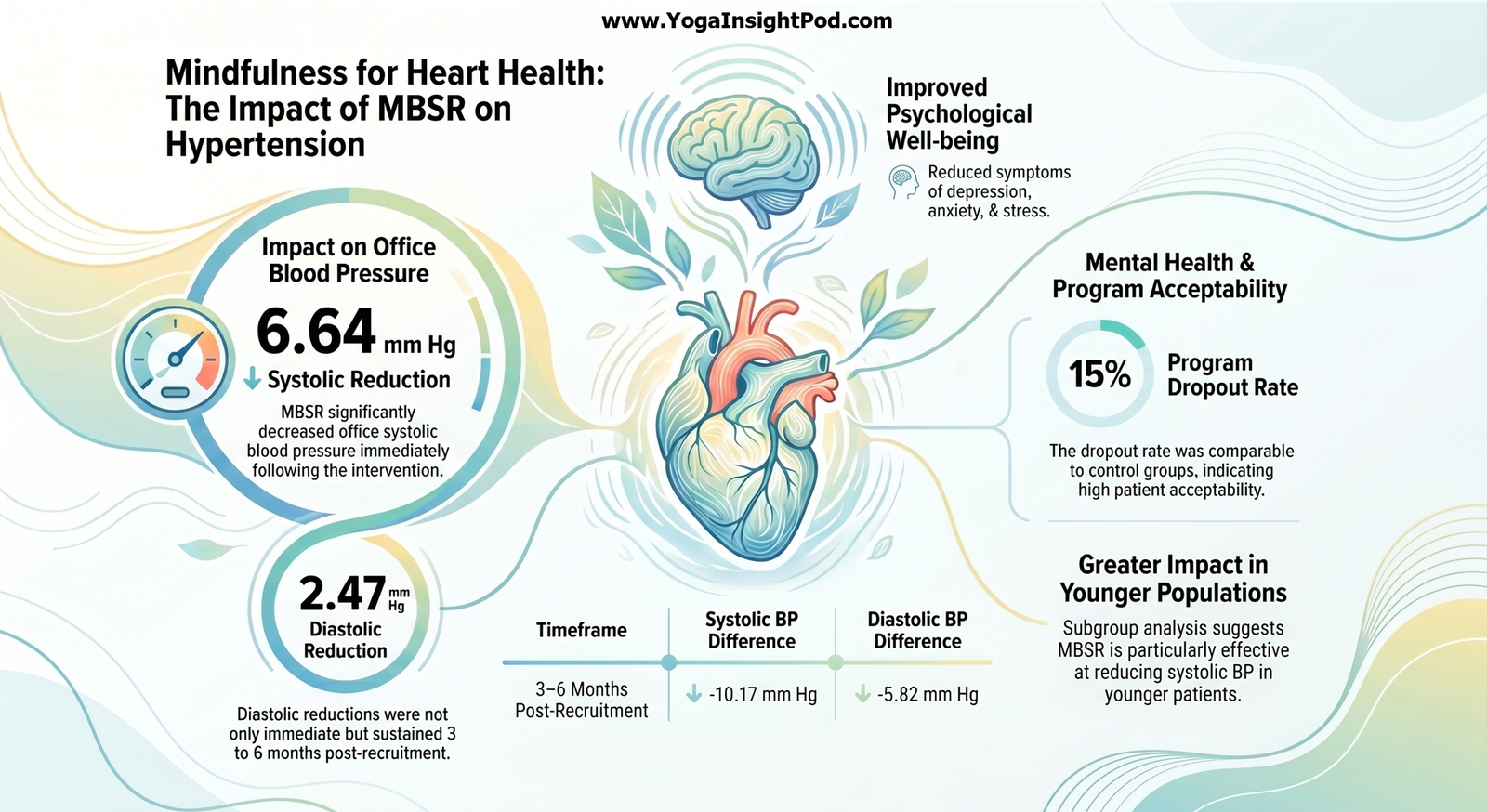
A large meta-analysis of randomized controlled trials trials by Eric K.P. Lee and team from Jockey Club School of Public Health and Primary Care, and The Chinese University of Hong Kong suggests that Mindfulness-Based Stress Reduction (MBSR) may help lower blood pressure while also improving stress, anxiety, and depression. Here's what clinicians and patients should know.
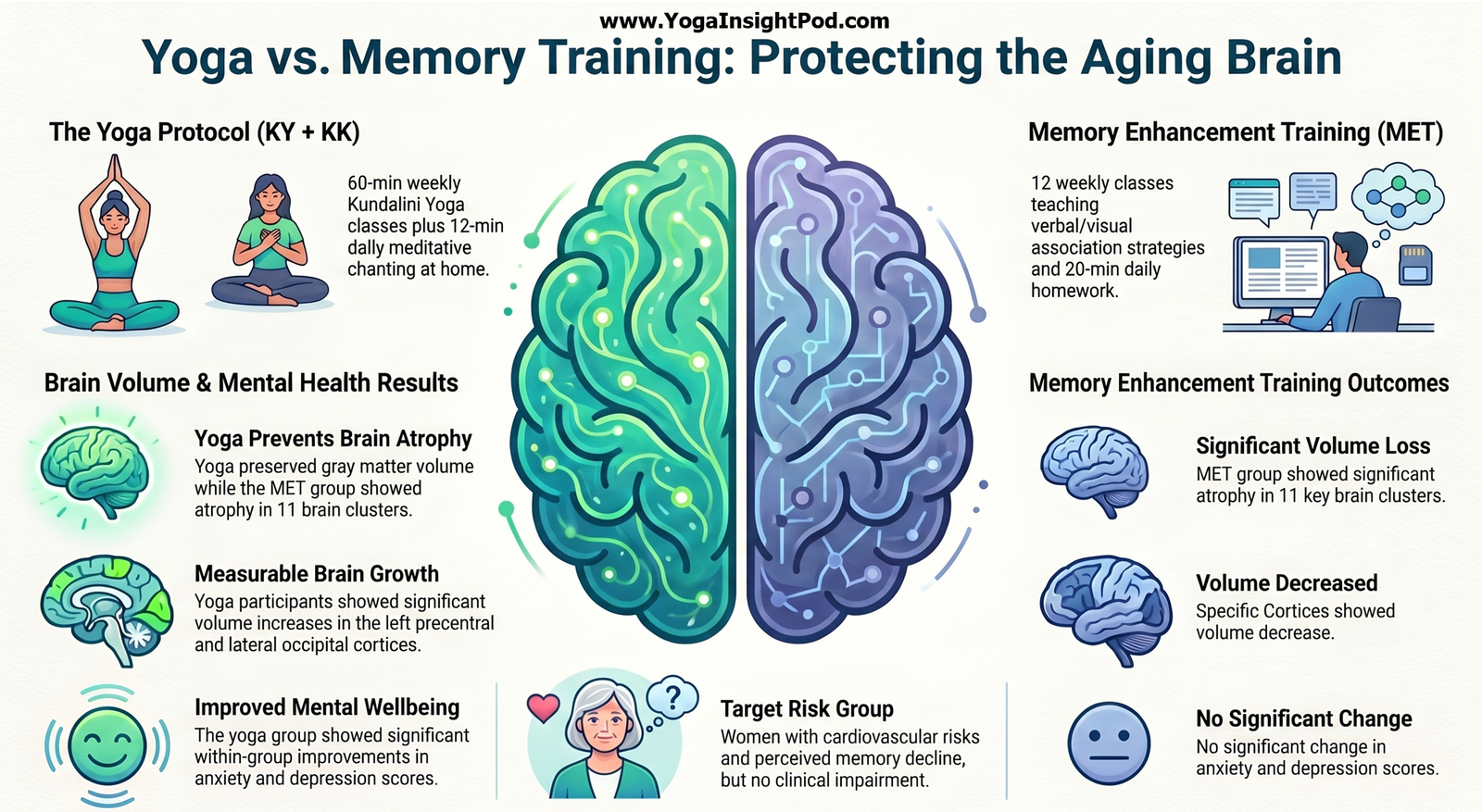
A new randomized controlled trial by Helen Lavretsky and team at University of California Los Angeles and Alzheimer’s Research and Prevention Foundation suggests that yoga may help preserve brain structure in women at risk for Alzheimer's disease. Learn how Kundalini Yoga and meditation could support healthy brain aging.
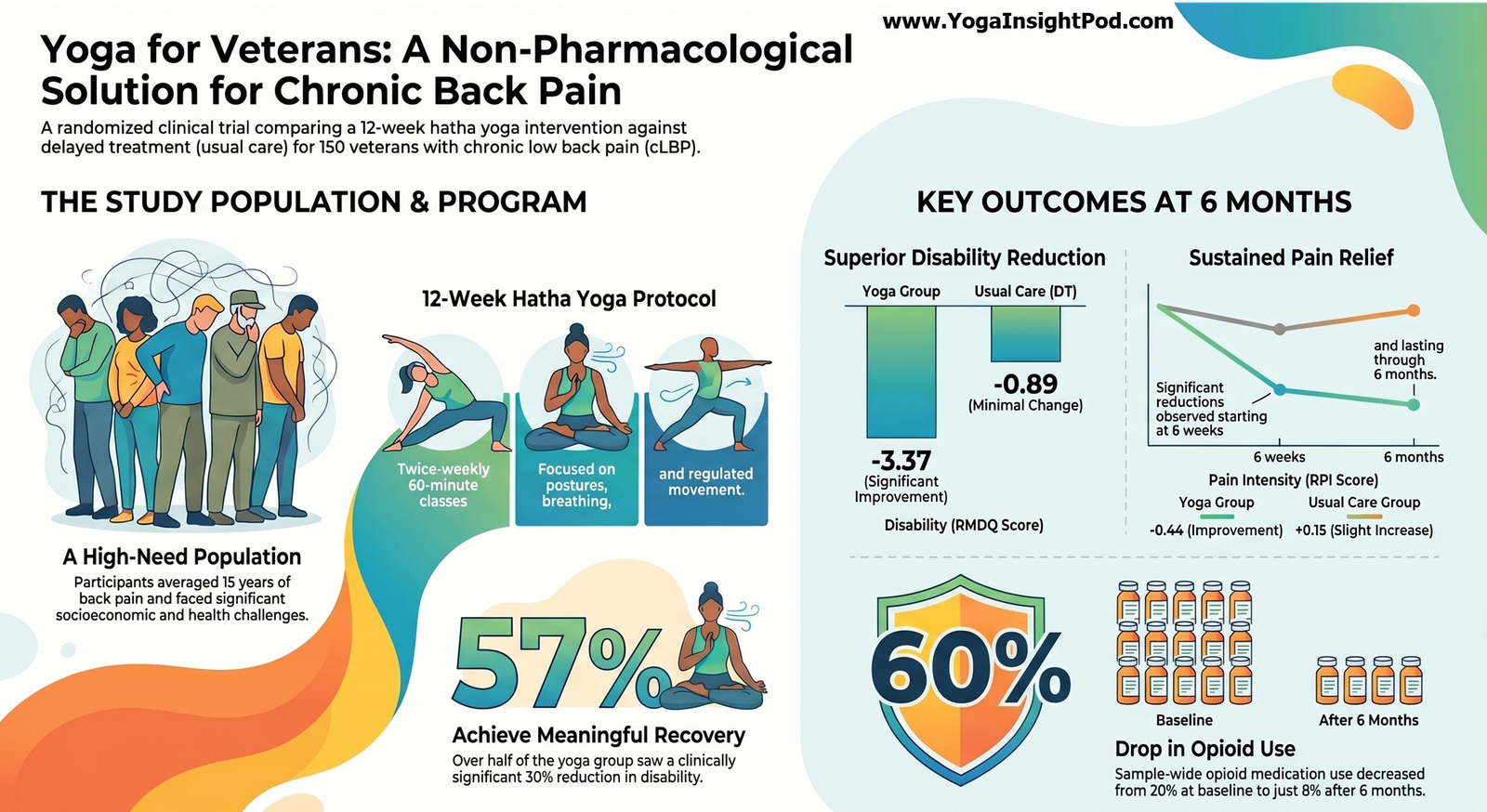
A major clinical trial by Erik J Groessl and team at VA San Diego Healthcare System, University of California San Diego, VA Center of Excellence in Stress and Mental Health, and Southern California University of Health Sciences found that yoga can improve pain and physical function in military veterans living with chronic low back pain. Learn how yoga may offer a safe, evidence-based complement to traditional pain management.
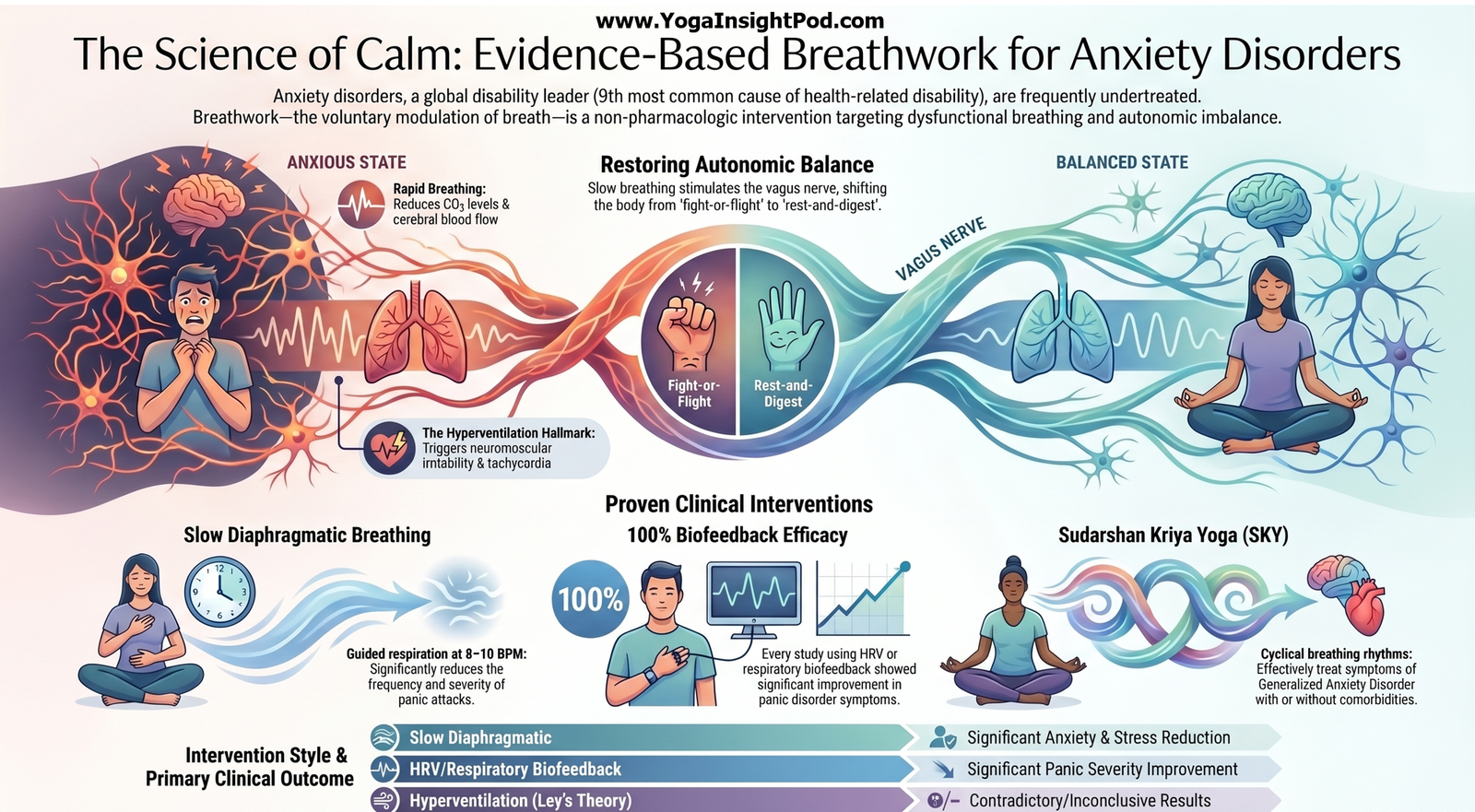
A growing body of research suggests that breathwork may be a powerful, accessible tool for reducing anxiety and panic symptoms. This review by Blerida Banushi and team from University of Queensland, University of Utah College of Pharmacy, Numinus Wellness, Integrated Research Literacy Group, University of Cambridge, Duke University, Durham, University of Wisconsin Hospitals & Clinics, Breathless Expeditions, University of Utah School of Medicine examines the evidence behind slow breathing, diaphragmatic breathing, HRV biofeedback, and other breathing interventions.
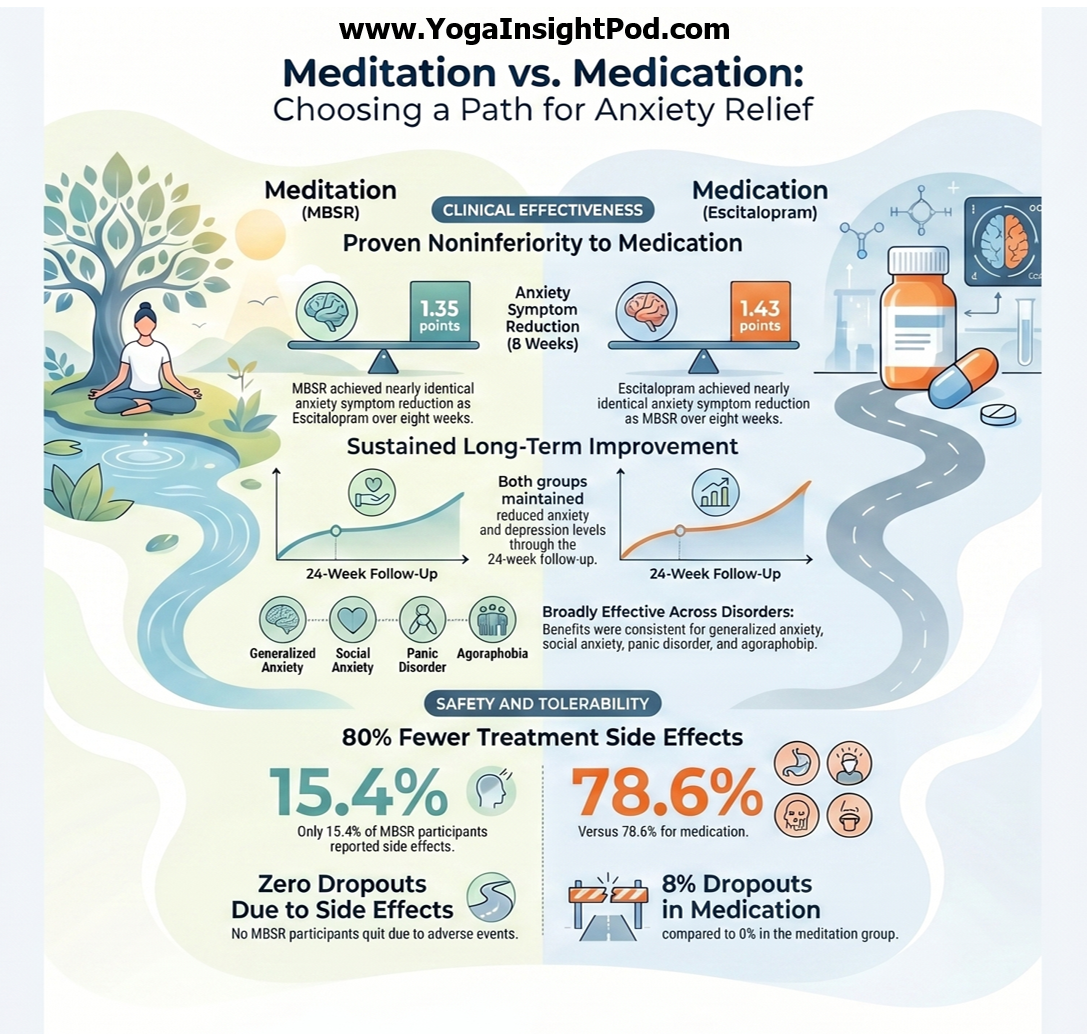
Can mindfulness meditation work as well as medication for anxiety? Two major clinical trials studies by Elizabeth Hoge and team from Georgetown University Medical Center, Caen University Hospital & UNICAEN, Medstar Health Research Institute, Massachusetts General Hospital, Harvard Medical School, New York University Grossman School of Medicine found that Mindfulness-Based Stress Reduction (MBSR) produced anxiety improvements comparable to escitalopram, with substantially fewer side effects. Discover what this means for individuals seeking evidence-based alternatives for anxiety treatment.
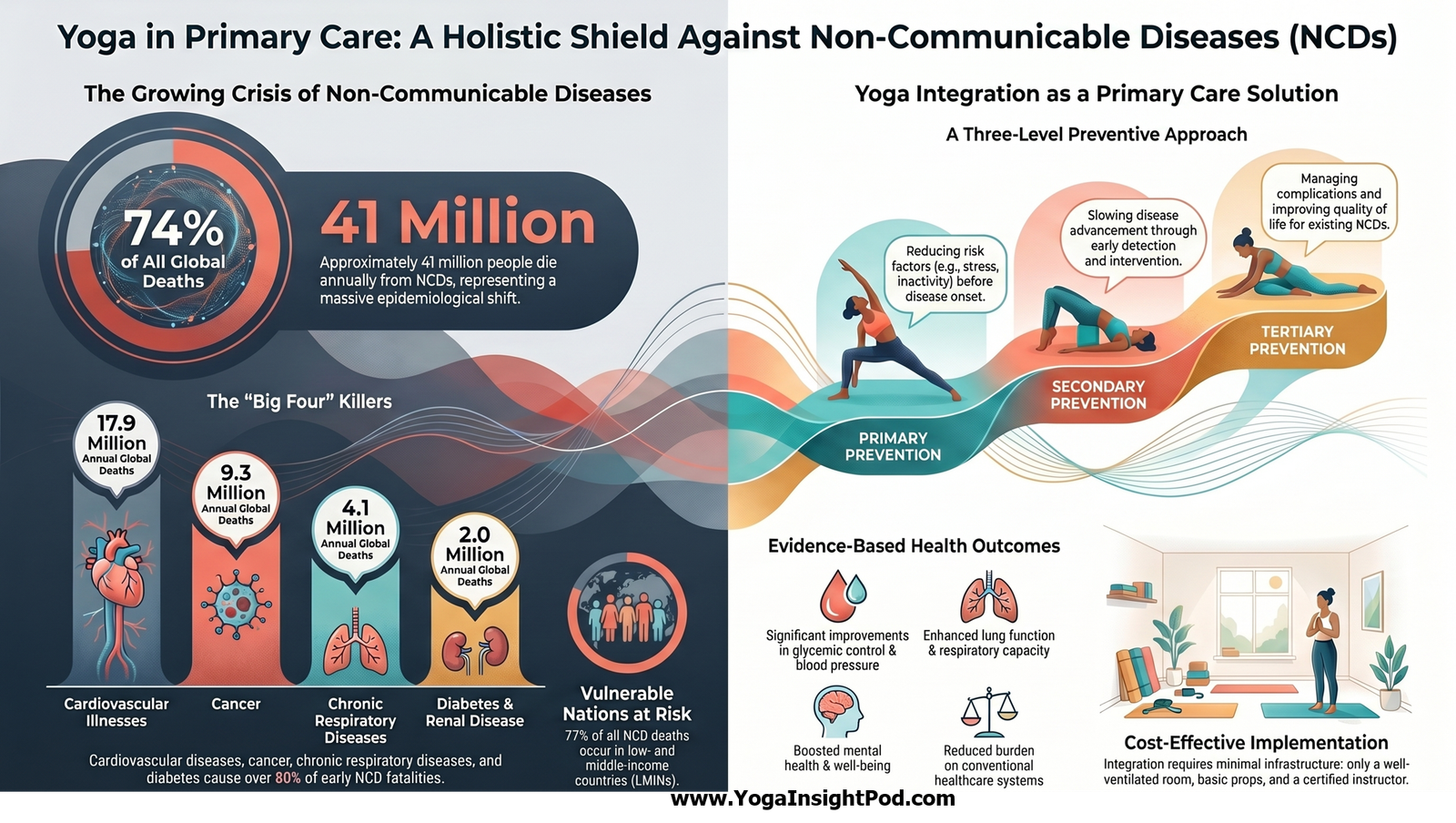
Can yoga become part of mainstream healthcare? This review paper by Priya Gupta from Sant Hirdaram Medical College of Naturopathy and Yogic Sciences for Women explores how integrating yoga into primary health centers may help reduce chronic disease burden, improve mental health, and promote preventive wellness through low-cost holistic care.
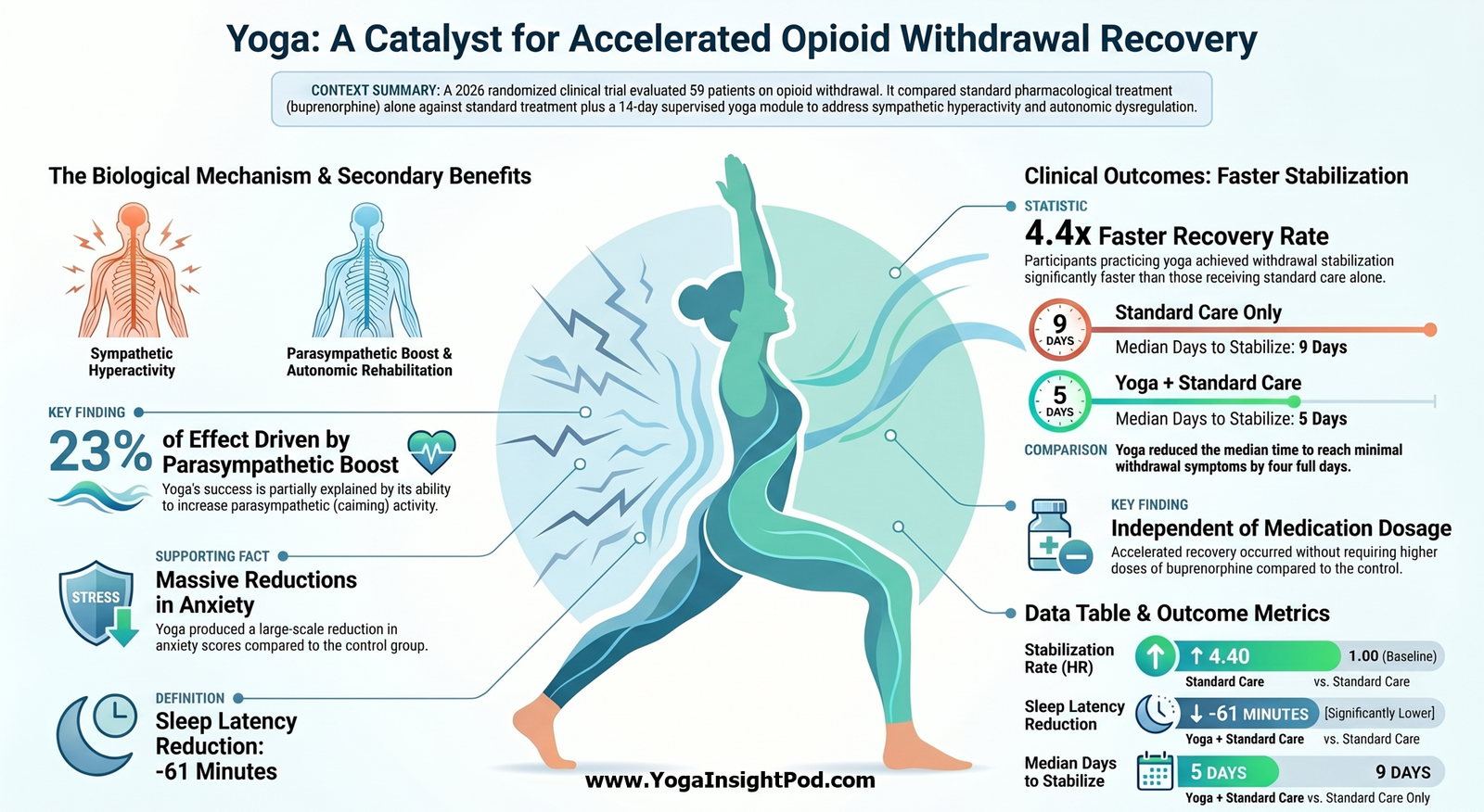
A groundbreaking randomized clinical trial by Hemant Bhargav and colleagues from the National Institute of Mental Health and Neurosciences (NIMHANS) and Harvard Medical School reveals how yoga may accelerate opioid withdrawal recovery by improving nervous system regulation, sleep, anxiety, and pain. Discover the science behind yoga, HRV, and addiction recovery.
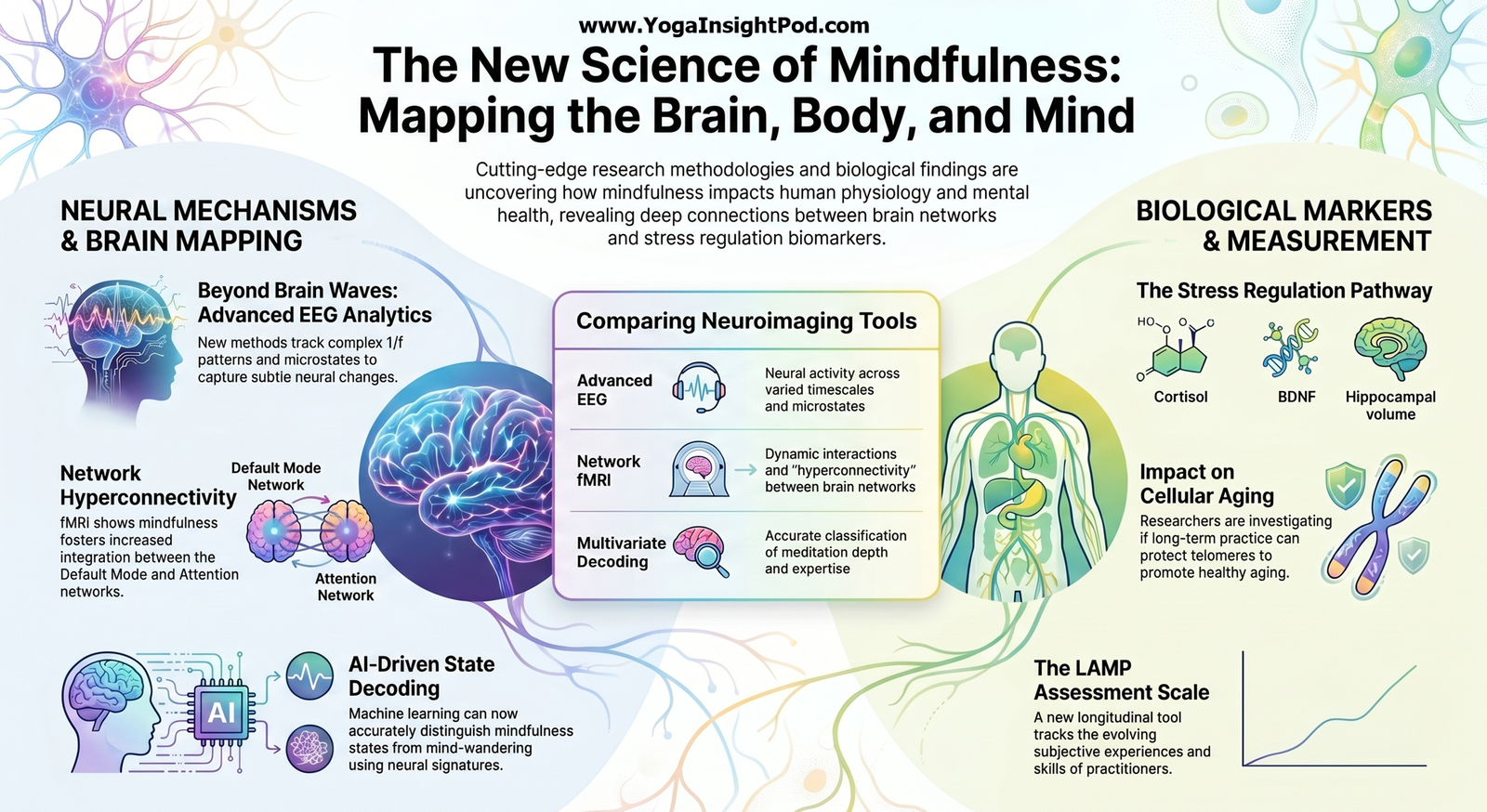
Modern mindfulness research is uncovering measurable effects on the brain, stress biology, and emotional health. This YogaInsightPod article explores how neuroscience and meditation are converging to reshape mental wellness.
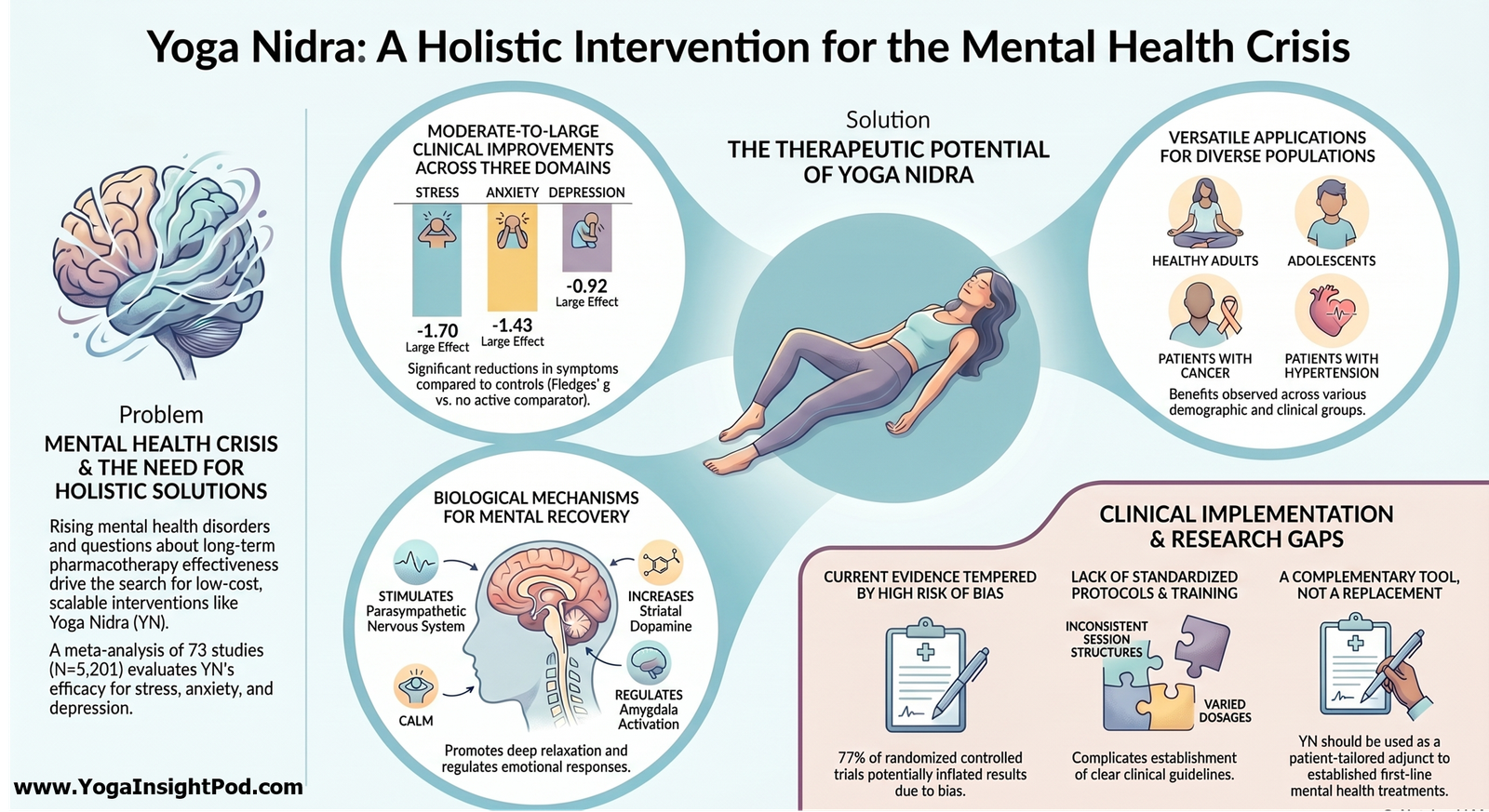
A new systematic review and meta-analysis by Shashank Ghai and team from Karlstad University suggests Yoga Nidra may significantly improve stress, anxiety, and depression symptoms. Discover the science behind this powerful guided relaxation practice and why researchers are paying attention.
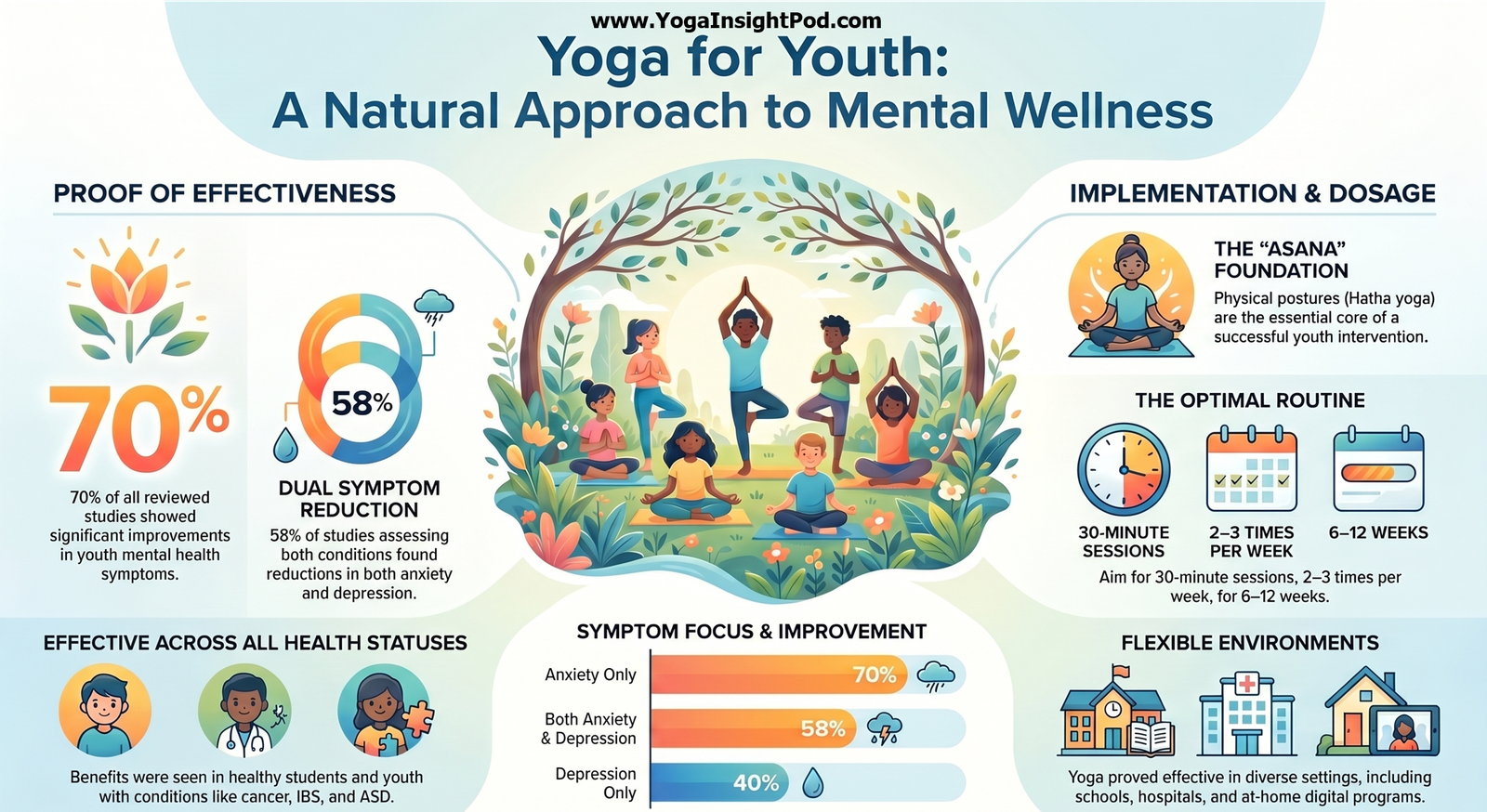
This review brings together 27 studies on yoga for children and adolescents conducted by Jean-Francois Daneault and team at the department of rehabilitation and movement sciences, Rutgers University. It suggests yoga may help reduce anxiety and depression, though stronger research is still needed.
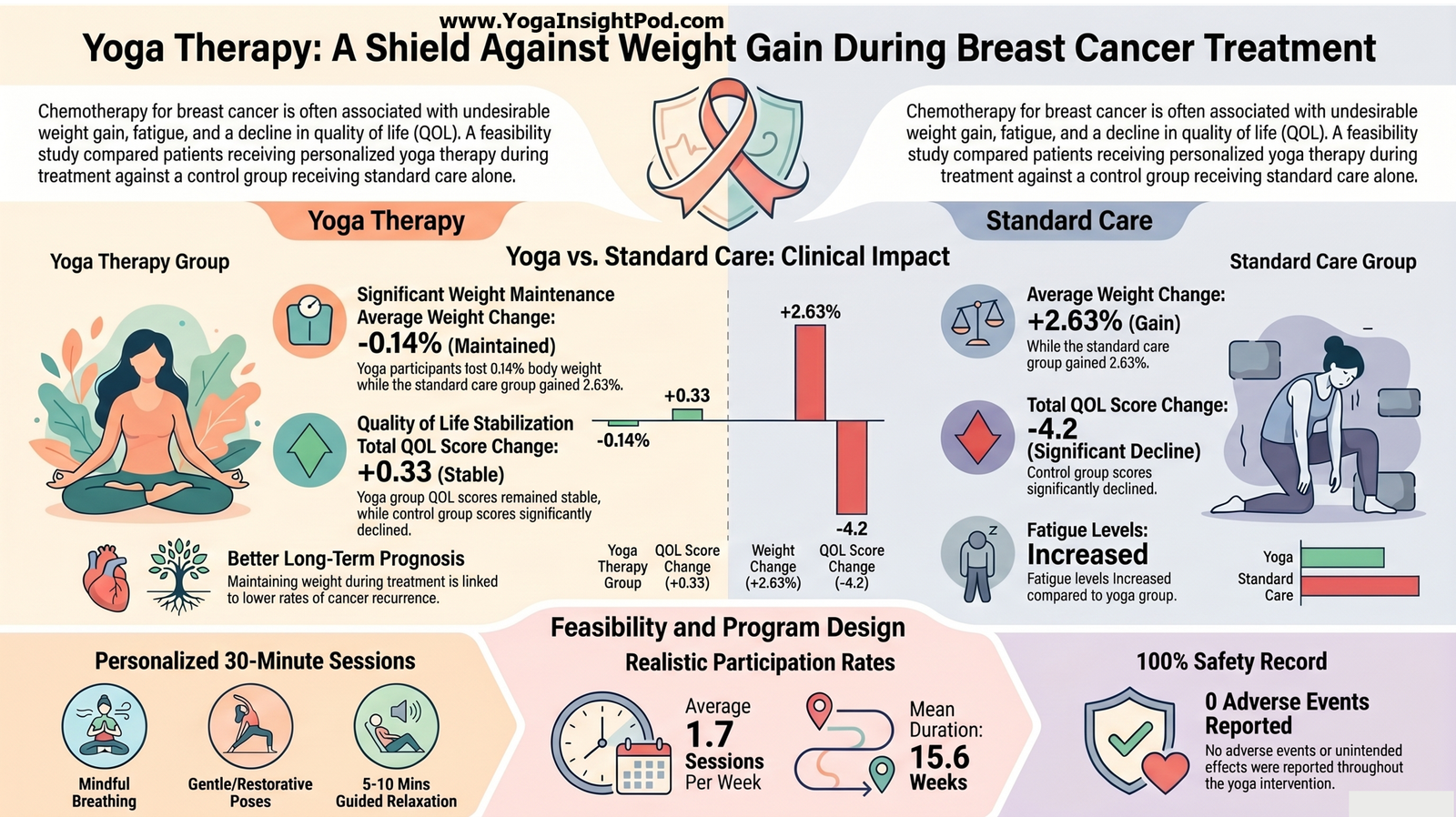
This study explores whether personalized yoga therapy can help women with early-stage and locally advanced breast cancer maintain weight and protect quality of life during chemotherapy. It found promising signs of weight stability, better fatigue control, and no safety concerns.
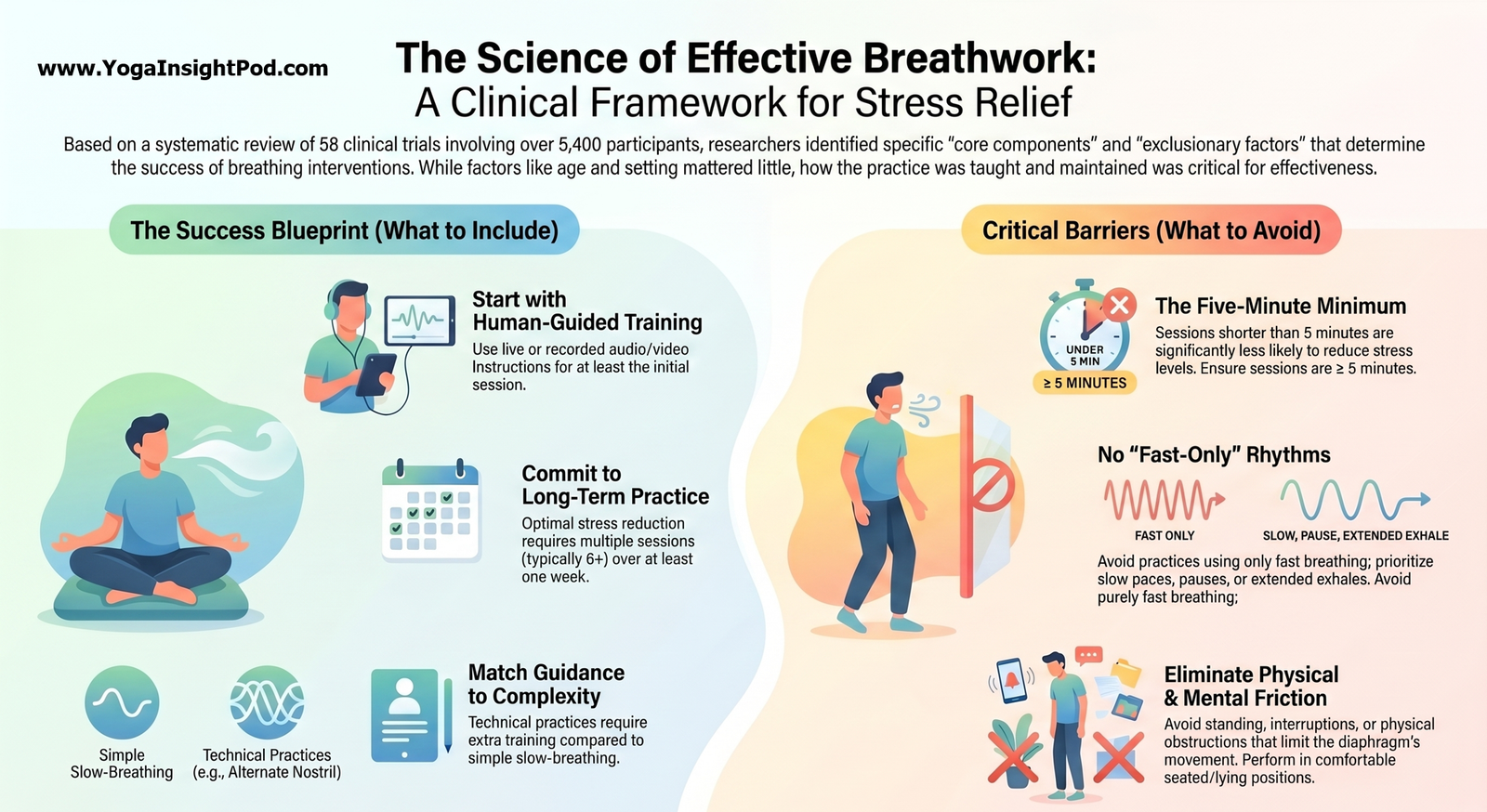
Can breathing really reduce stress and anxiety? This blog explores evidence from 58 clinical studies, revealing how simple breathwork techniques can calm the mind and regulate the nervous system. A science-backed path to everyday mental well-being.
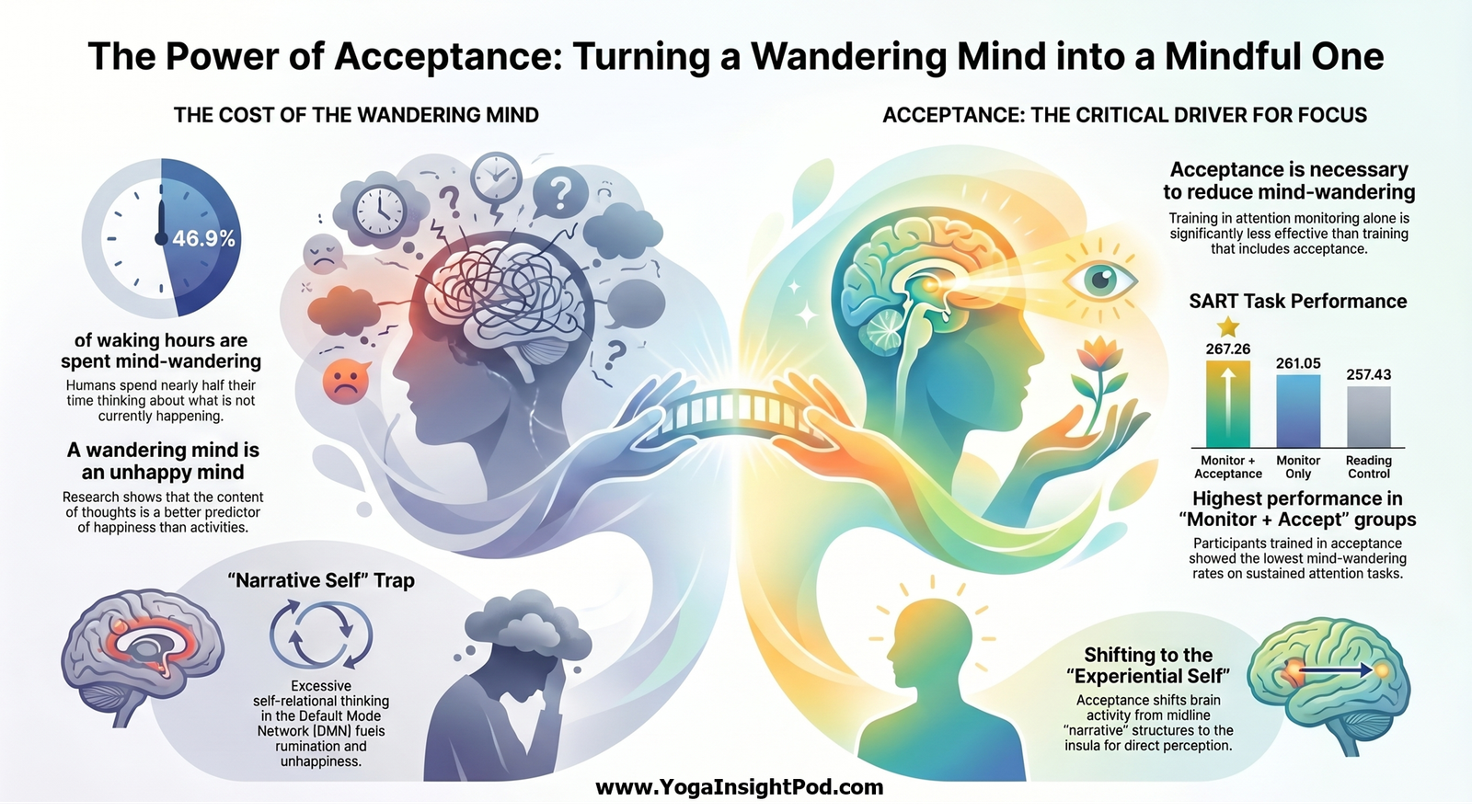
Experience-sampling research shows that mind wandering is frequent and predicts lower momentary happiness. Lab studies then demonstrate that mindfulness training especially attention plus acceptance can reduce mind wandering on sustained attention tasks and may rebalance brain networks that support focus and emotional well being.
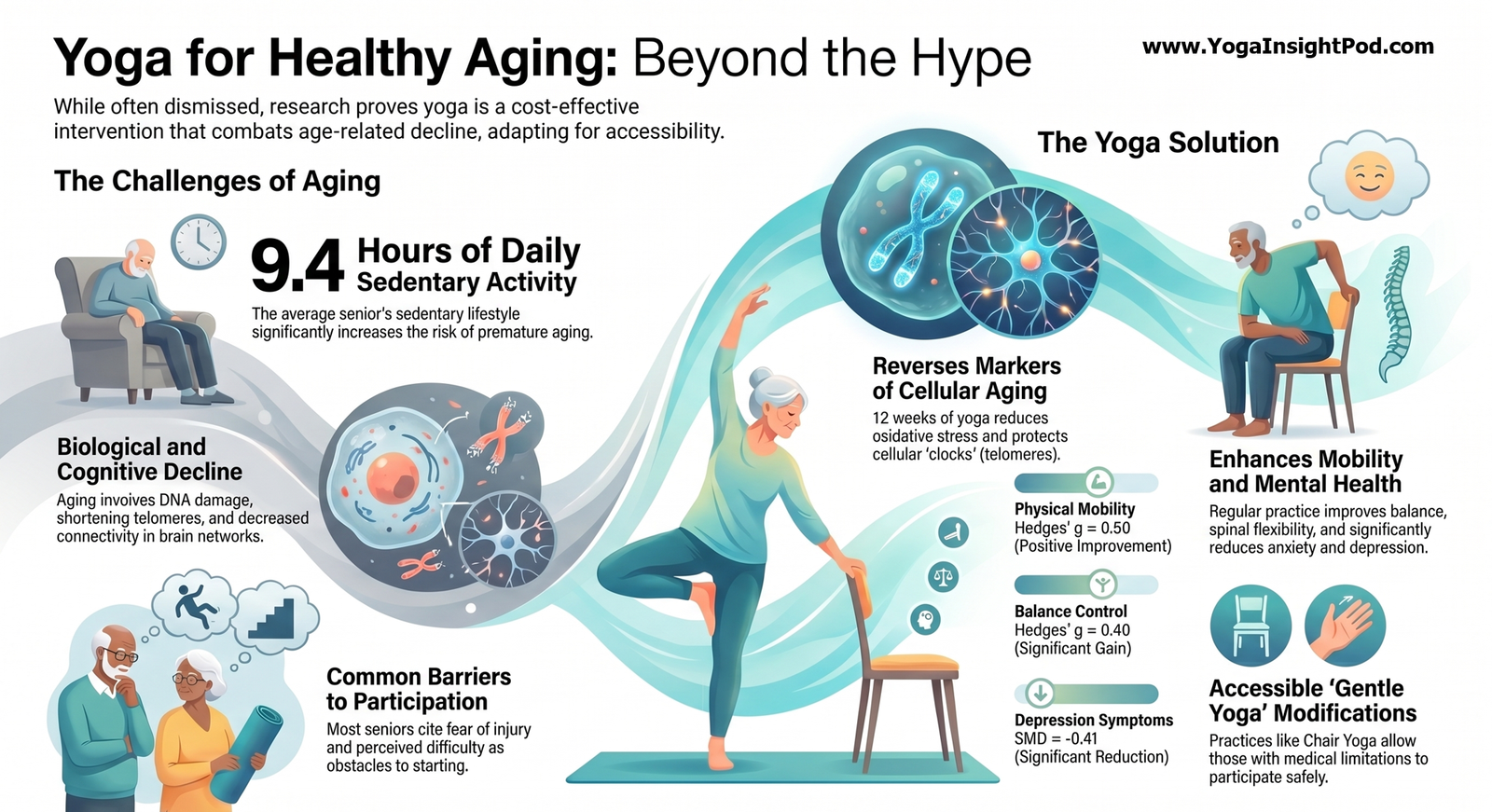
A 2021 geriatric review by Purnima Madhivanan from University of Arizona and team finds that yoga can modestly improve cellular aging markers, balance, mobility, mood, and cognitive resilience in older adults, with mostly mild, preventable side effects. Tailored programs from chair yoga to gentle Hatha make it a realistic, low cost strategy for healthy aging at home and in the community.
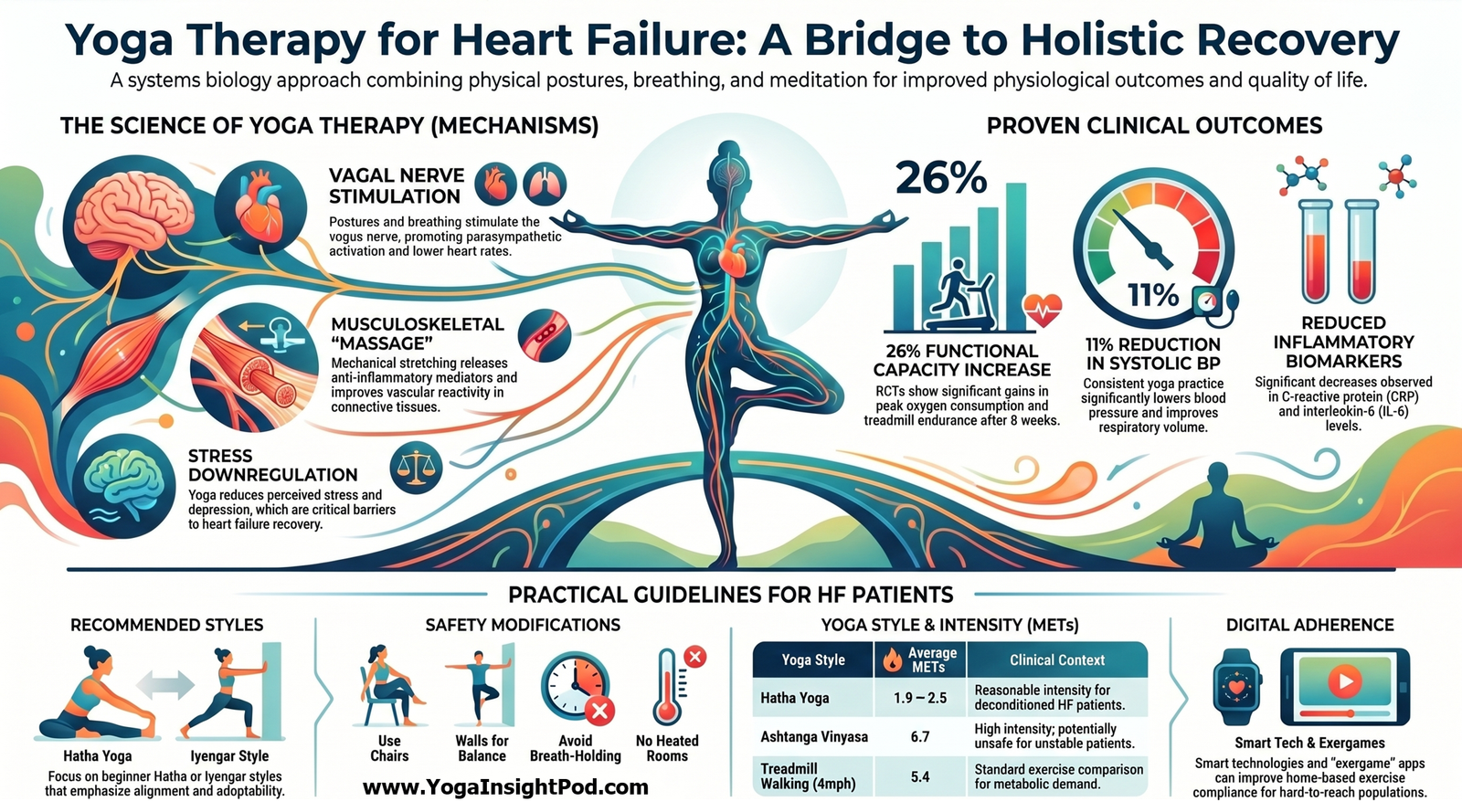
A 2018 review in the International Journal of Yoga by Paula R Pullen from Morehouse School of Medicine and team concludes that gentle yoga can safely improve exercise capacity, inflammatory markers, autonomic balance, and quality of life in medically stable heart failure patients when added to standard care. The authors urge larger trials and explore tele-yoga, exergames, and smart home technologies to expand access to yoga-based heart failure rehabilitation.
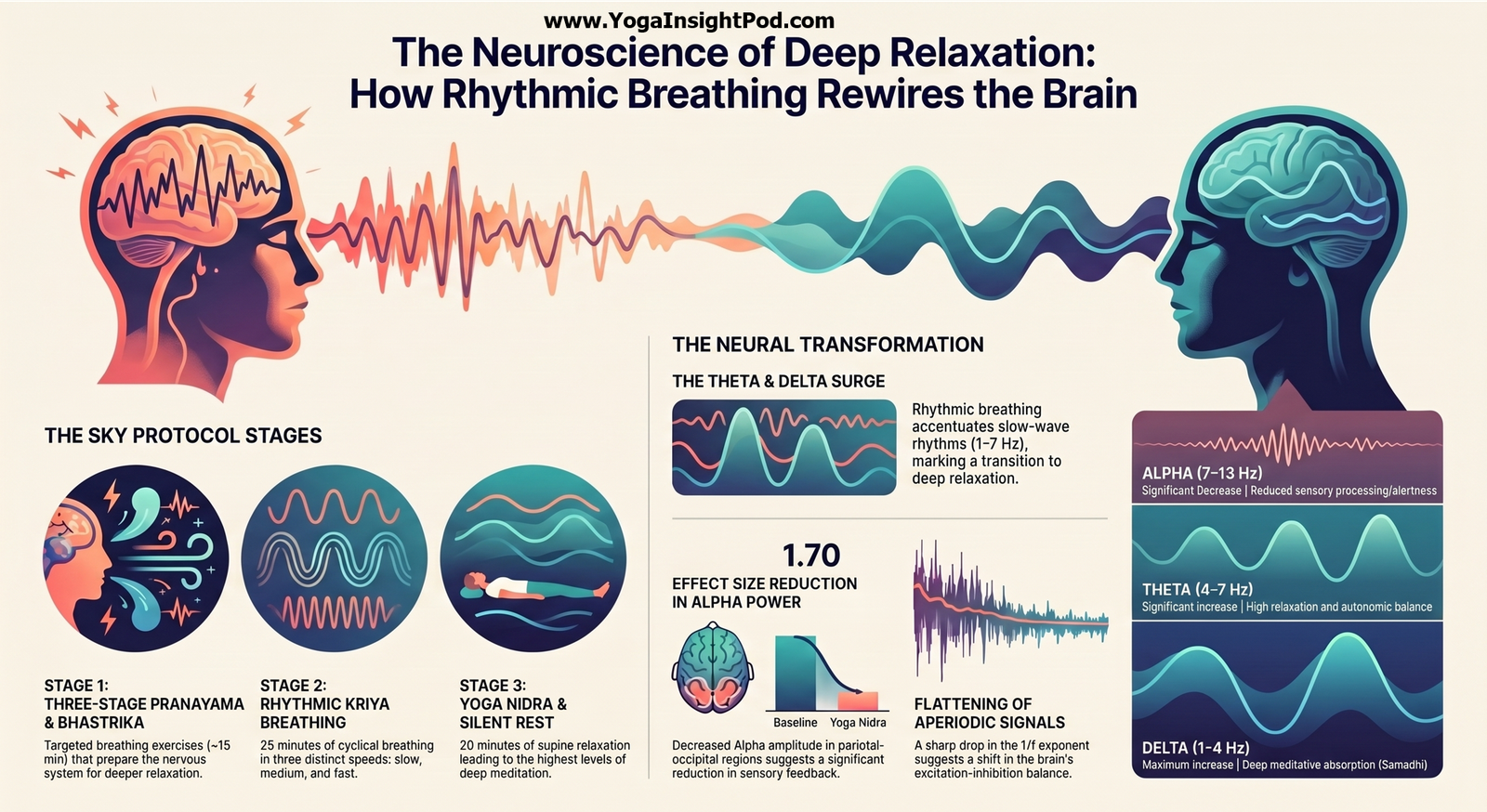
An EEG study of Sudarshan Kriya Yoga by Vaibhav Tripathi and team from Indian Institute of Technology, Harvard University, Sri Sri Institute of Advanced Research, and Fortis Escort Heart Institute shows that rhythmic breathing boosts theta–delta activity while suppressing alpha and aperiodic signals, creating a distinct state of calm alertness linked to deep relaxation. The music control group showed no such effects, highlighting breath-based meditation as a promising, drug free tool for stress and mental health support.
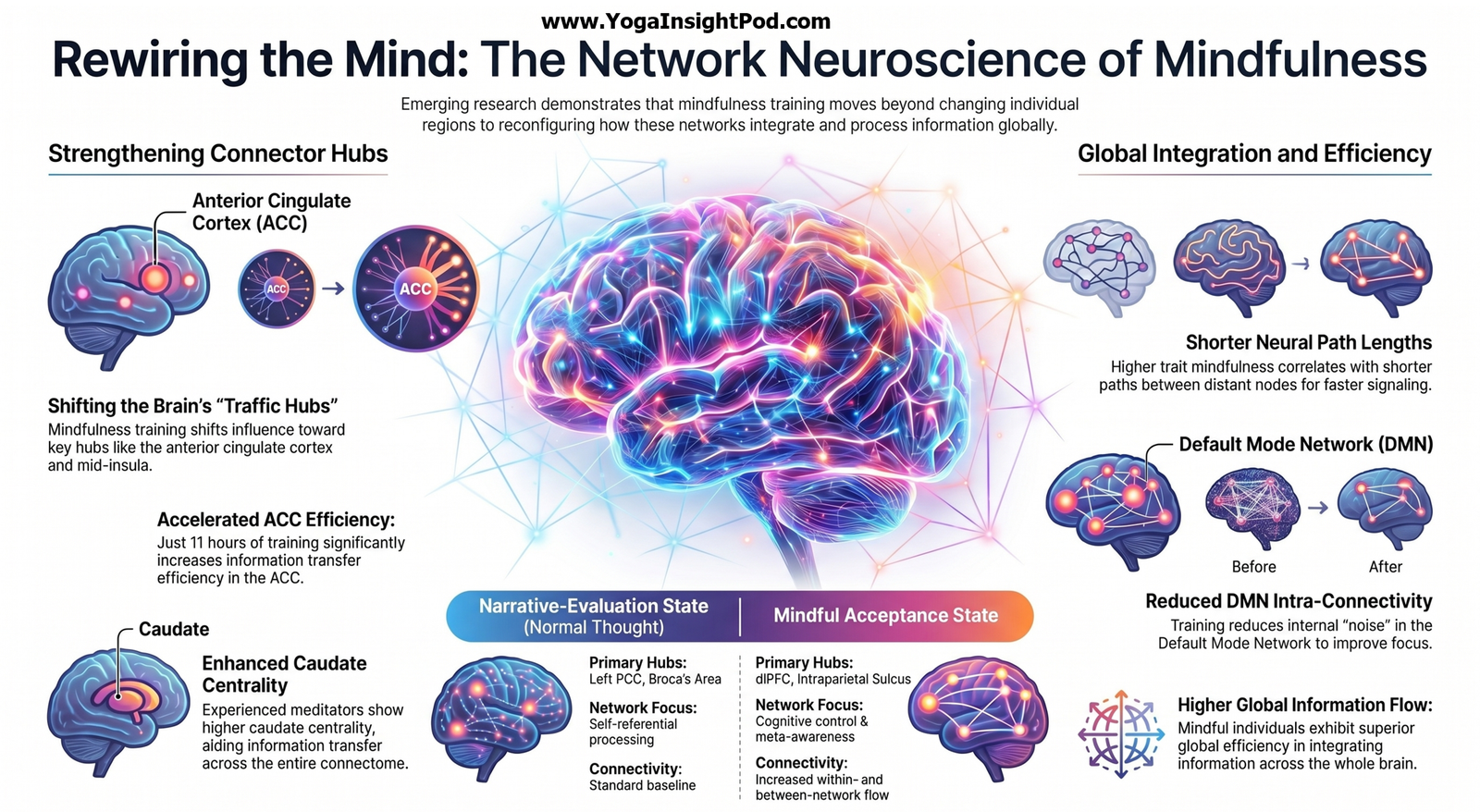
A 2025 network-neuroscience review by scientists from The Ohio State University, Harvard University, Boston University, Harvard Medical School, Northeastern University, Massachusetts Institute of Technology, Massachusetts General Hospital and Indiana University finds that mindfulness meditation systematically reshapes brain connectivity, shifting connector hubs in regions like the ACC, thalamus, and mid-insula and reducing default mode network segregation. The authors highlight mixed but promising evidence for more efficient global communication and call for rigorous, diverse, and open science to map how meditation reorganizes whole-brain networks.
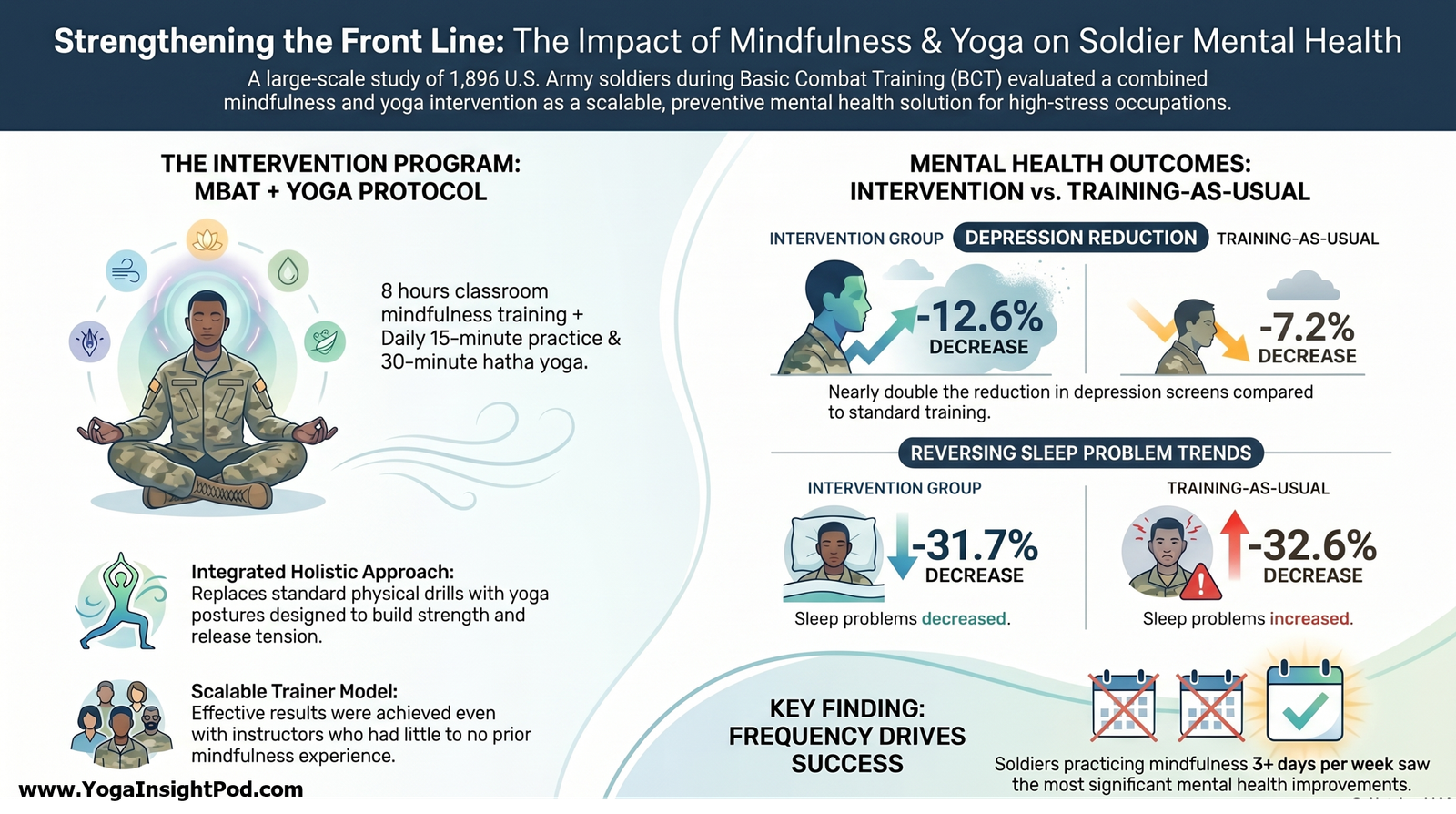
A large U.S. Army cluster randomized trial in Basic Combat Training conducted by Thomas H Nassif and team at Walter Reed Army Institute of Research found that an embedded mindfulness plus yoga program led to faster reductions in depression and sleep problems compared with standard training. The scalable protocol, delivered by non-specialist instructors, suggests a practical path to primary mental health prevention in high-stress occupations.
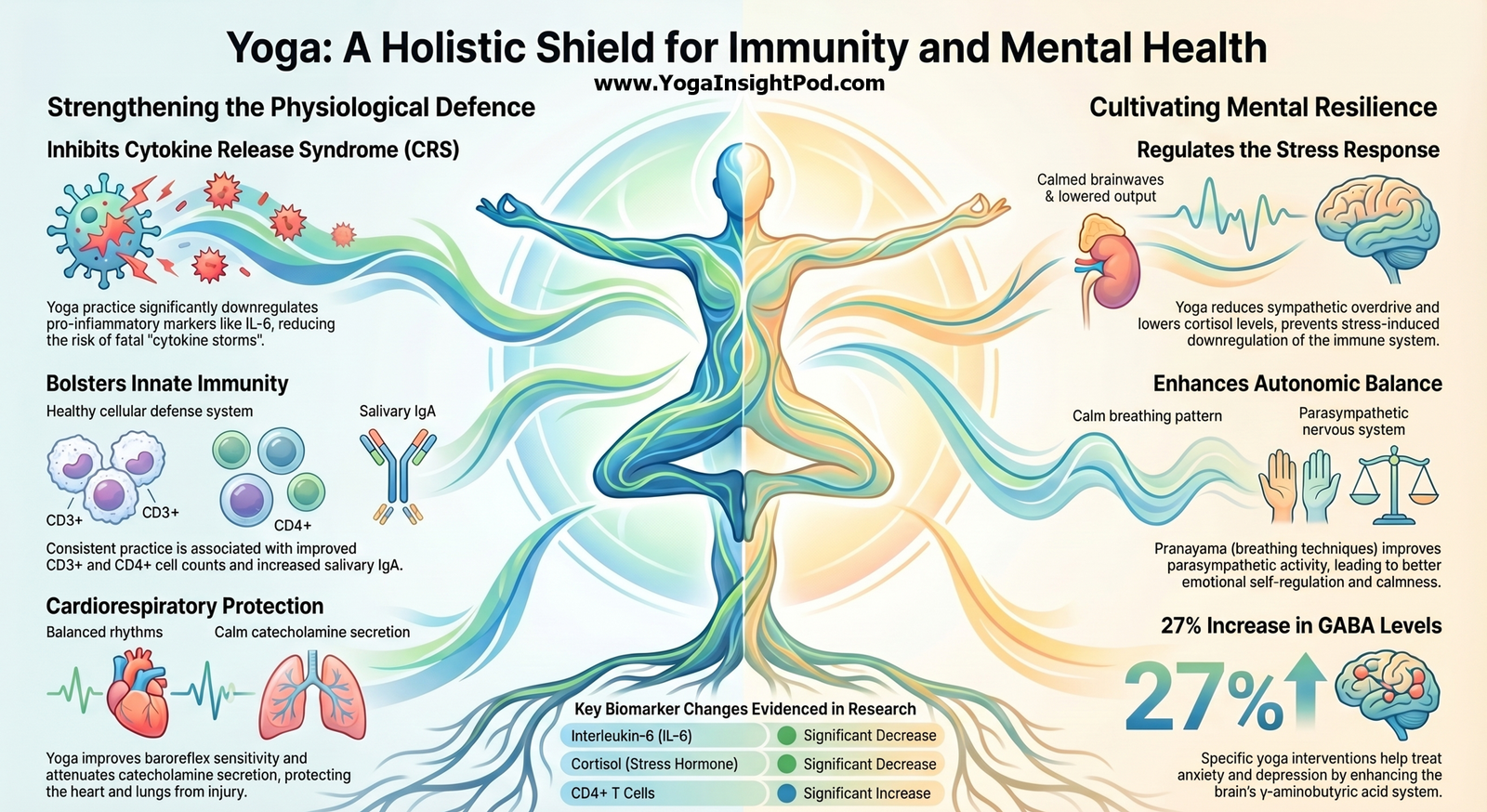
A 2022 BMC narrative review by Indranill Basu-Ray et. al., and collaborators from Memphis VA Medical Center, The University of Memphis, Memphis, Icahn School of Medicine at Mount Sinai, Swami Vivekananda Yoga Anusandhana Samsthana, Bangalore, Morarji Desai National Institute of Yoga, Ministry of AYUSH, Baylor College of Medicine, University of Duisburg-Essen, Essen, Massachusetts General Hospital, Boston and others concludes that yoga may help modulate key inflammatory cytokines, strengthen innate and adaptive immunity, and reduce stress, anxiety, and depression relevant to COVID-19 risk and recovery. The authors position yoga as a safe, accessible complementary intervention alongside vaccination and standard medical care.
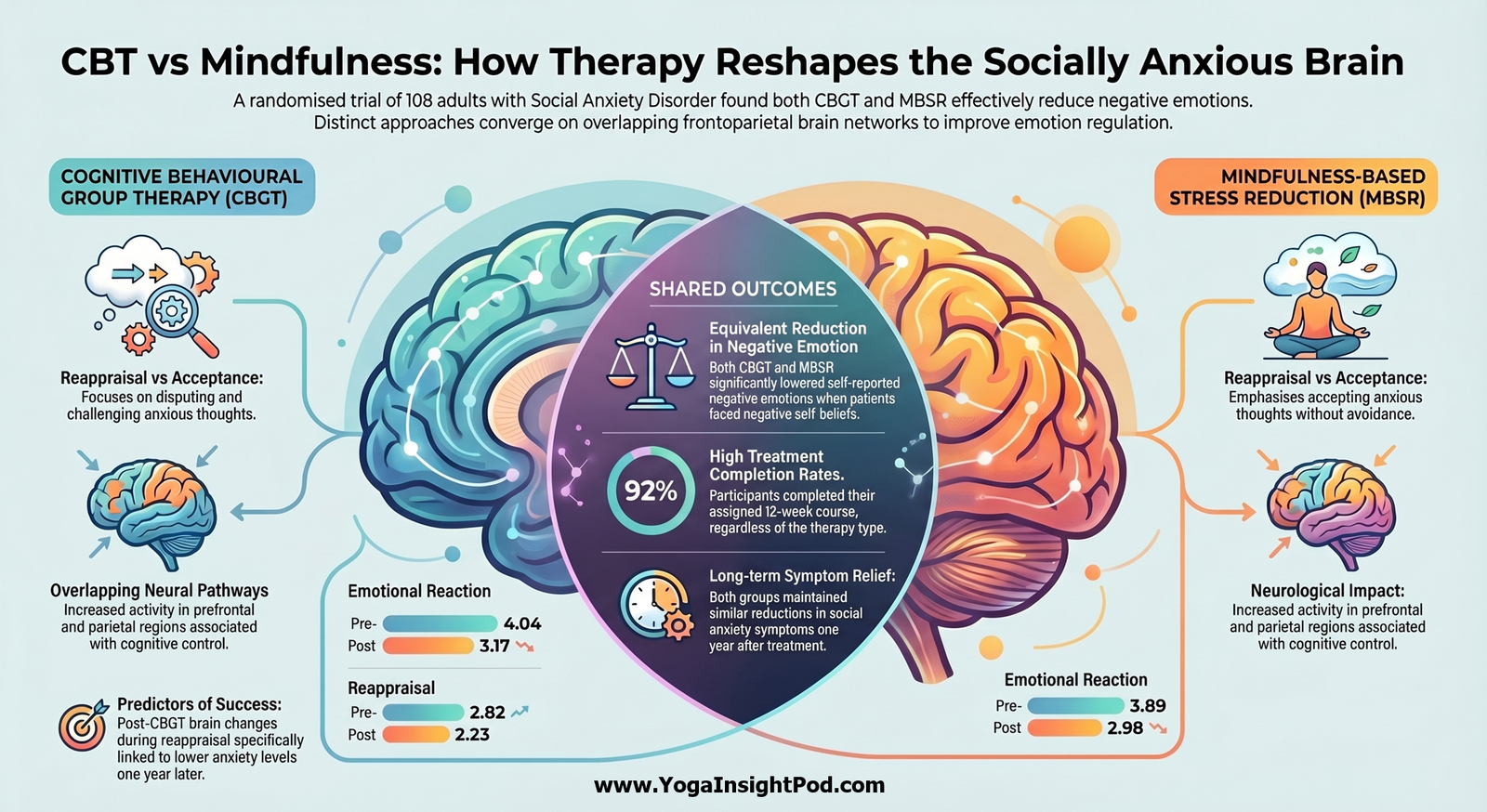
A JAMA Psychiatry randomized fMRI trial in adults with social anxiety disorder conducted at University of California Davis, Stanford University, and Temple University found that both cognitive behavioral group therapy and mindfulness-based stress reduction produce durable symptom improvements and strengthen prefrontal cingulate networks involved in reappraisal and acceptance. Subtle differences in how each treatment engages these circuits may underlie their distinct therapeutic mechanisms.
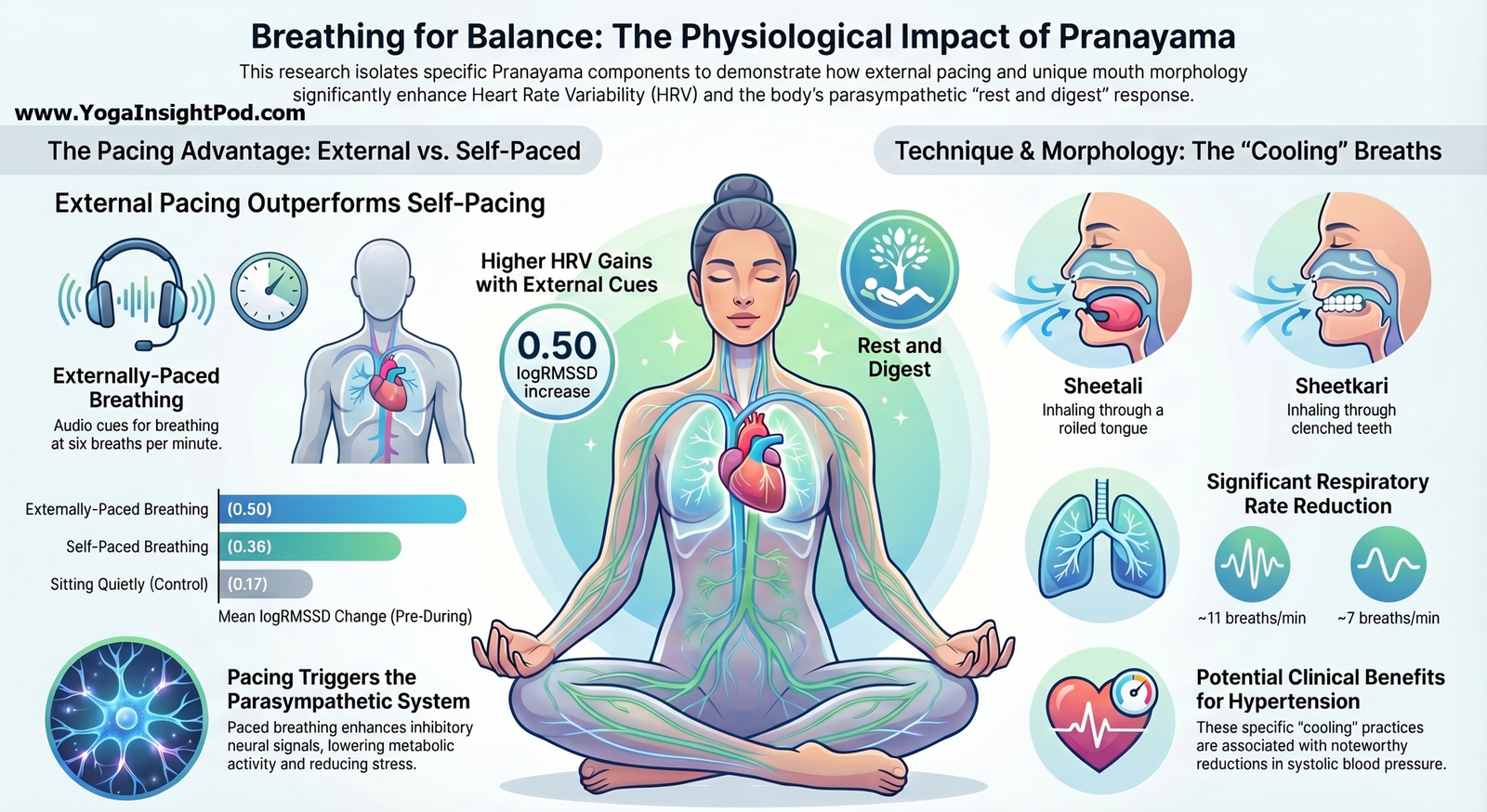
A randomized crossover trial in healthy adults s by Ryan Bradley and team at the Institute National University of Natural Medicine, Portland, OR shows that slow, externally paced breathing whether simple deep breathing or Sheetali/Sheetkari pranayama produces the largest increases in RMSSD, a key heart-rate variability marker of parasympathetic activity. Mouth shaped “cooling” breaths may add small extra benefits, but slow pacing itself appears to be the dominant driver of autonomic change.
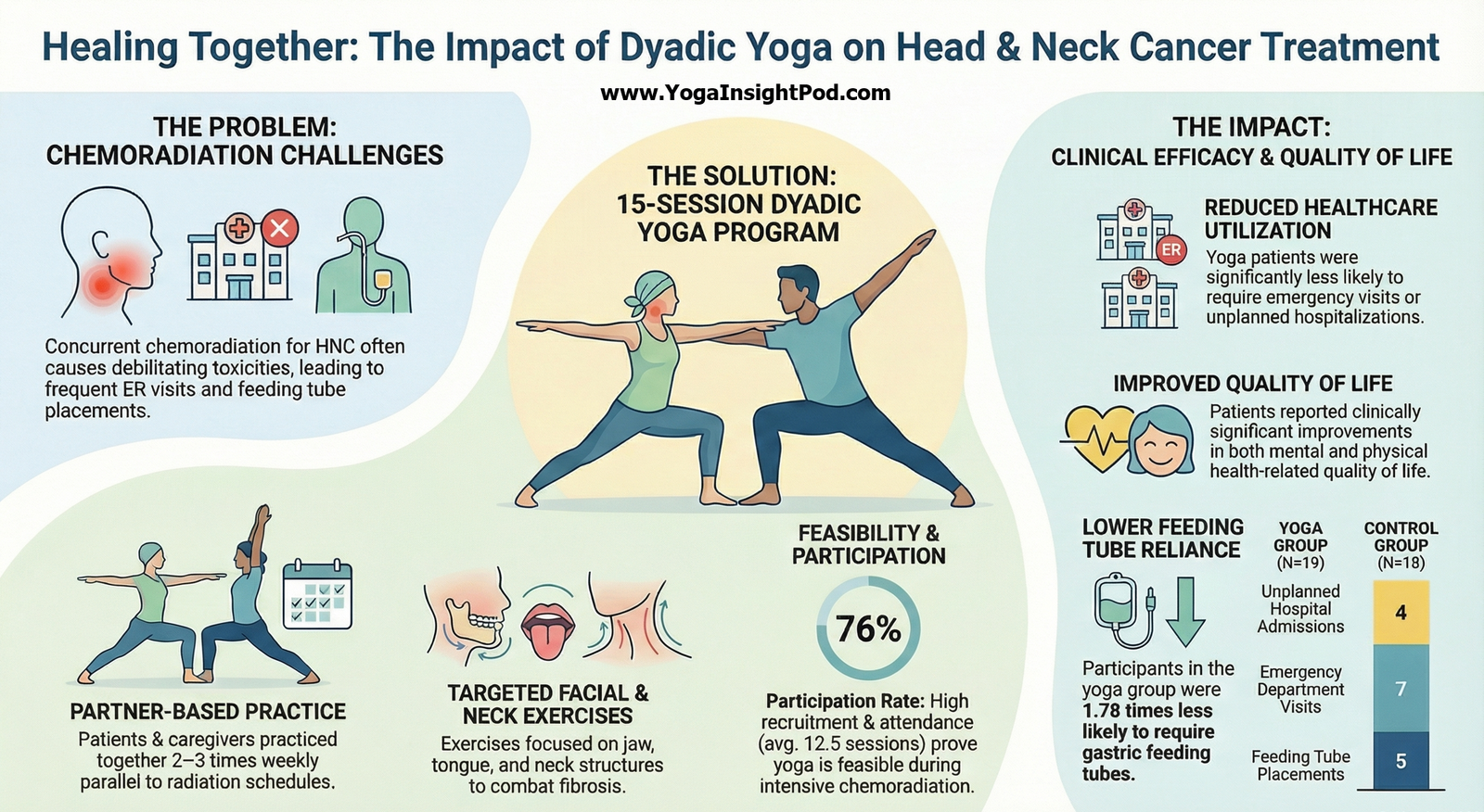
A 2024 pilot RCT at MD Anderson tested a 15-session dyadic yoga program for head and neck cancer patients on chemoradiation and their caregivers, finding high feasibility, better symptom control and quality of life, and fewer unplanned hospital encounters versus usual care. Larger trials are now needed to confirm these promising supportive care benefits.
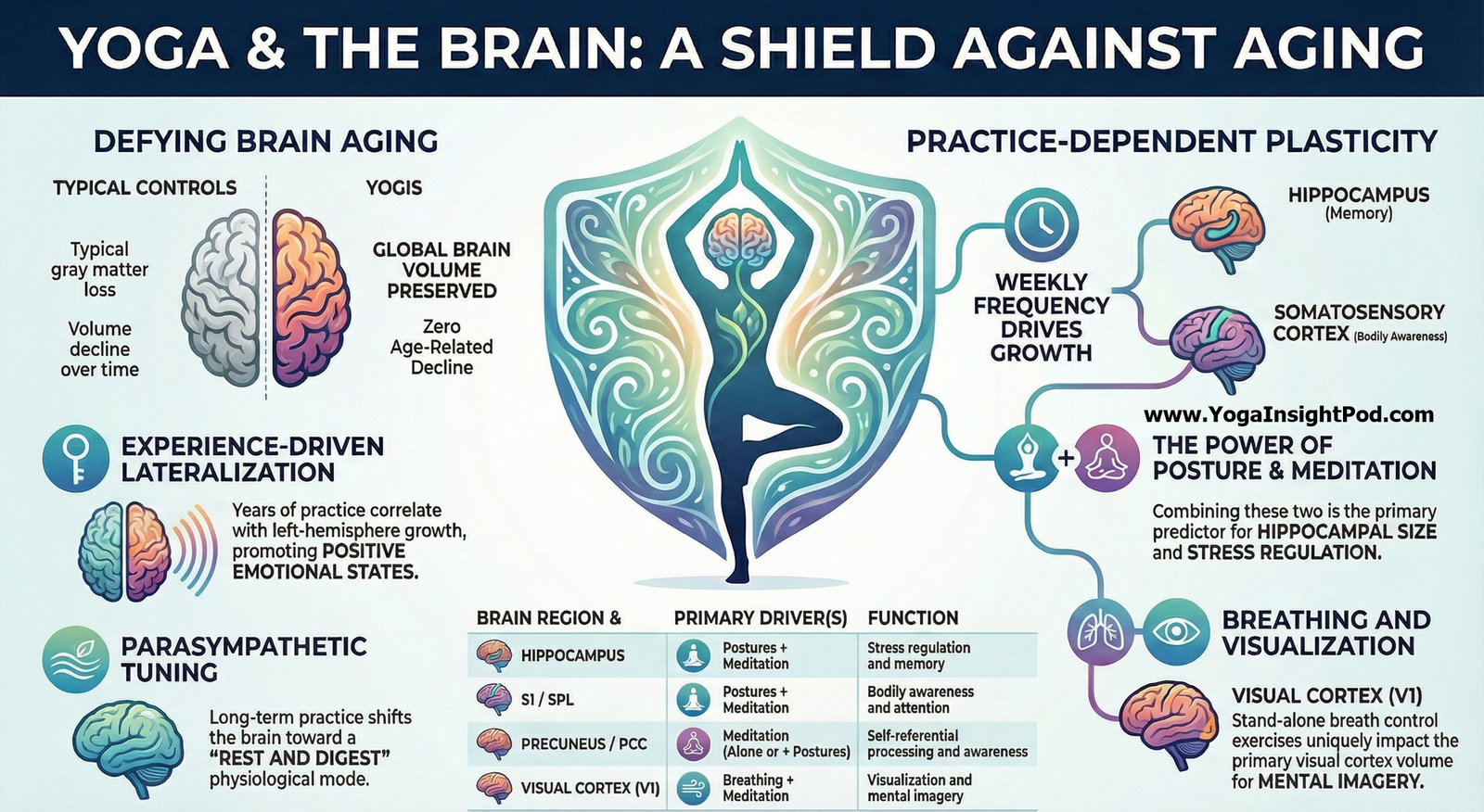
An NIH MRI study reports that experienced yoga practitioners do not show the typical age-related gray-matter decline seen in matched controls and instead have larger insular, hippocampal, and default-mode regions linked to interoception, memory, and emotional regulation. Years of practice and weekly hours, especially combining postures, breathwork, and meditation, track with this brain plasticity, hinting at genuine neuroprotective benefits.
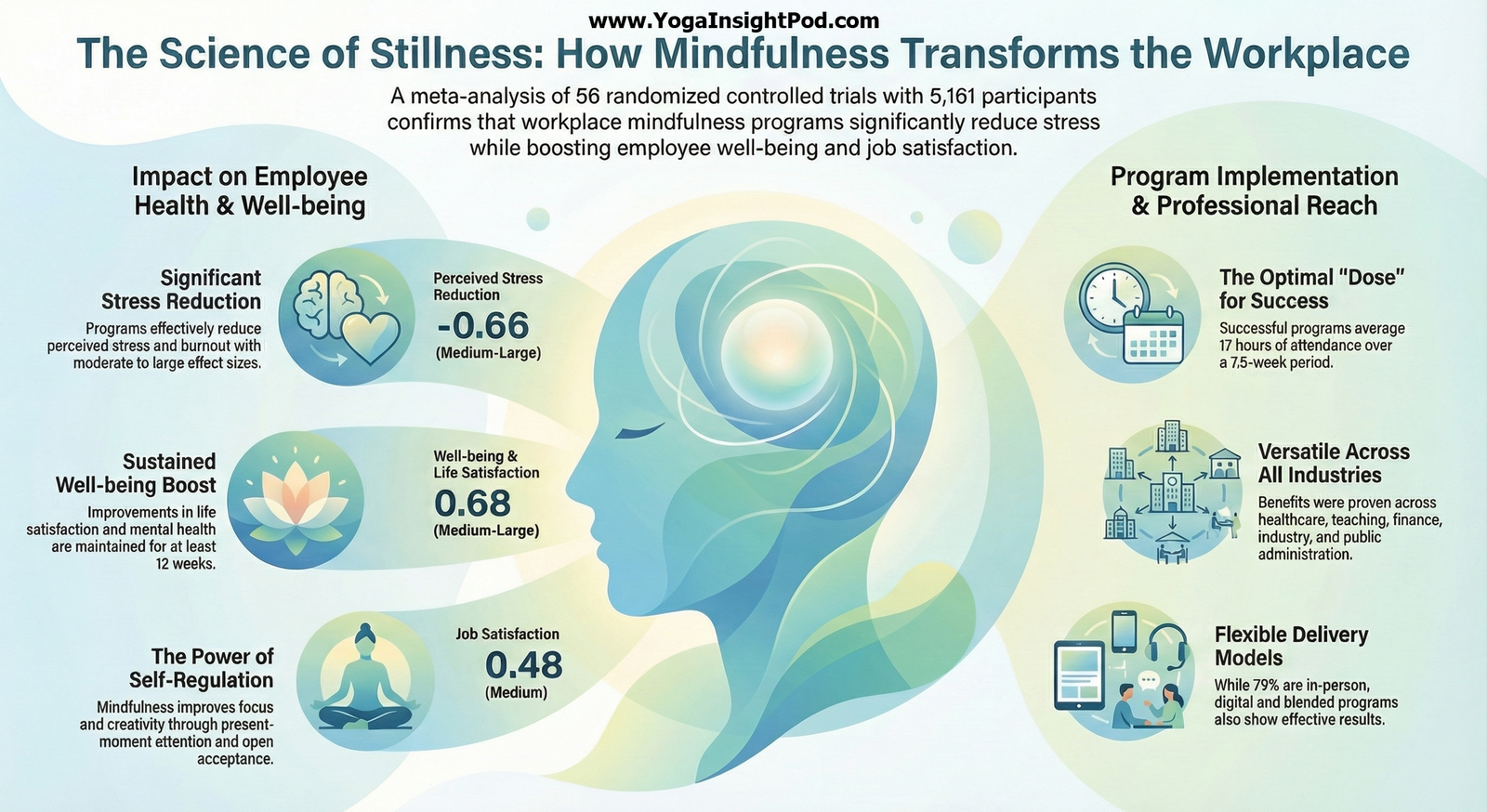
A 2020 meta-analysis of 56 workplace trials finds that mindfulness-based programs reliably reduce stress, burnout, and mental distress while increasing well-being, compassion, and job satisfaction across diverse occupations. Early data on engagement and productivity are encouraging but still emerging.
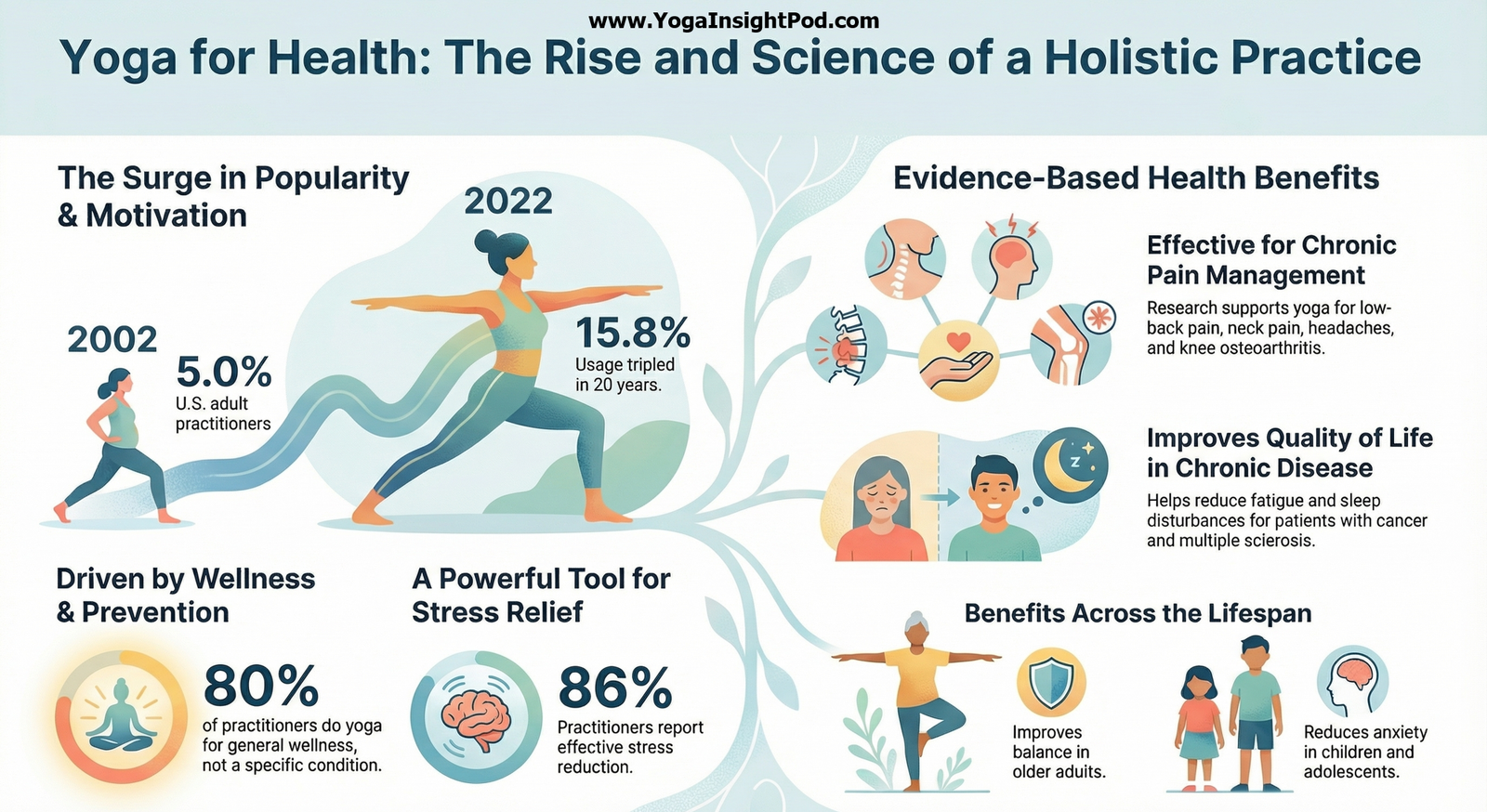
NIH’s NCCIH “Yoga for Health” eBook explains who practices yoga, why, and what the current research says about benefits and risks for children, adults, older adults, and pregnant people. It offers practical safety tips and encourages using yoga as a complementary tool for whole-person health, not a replacement for medical care.
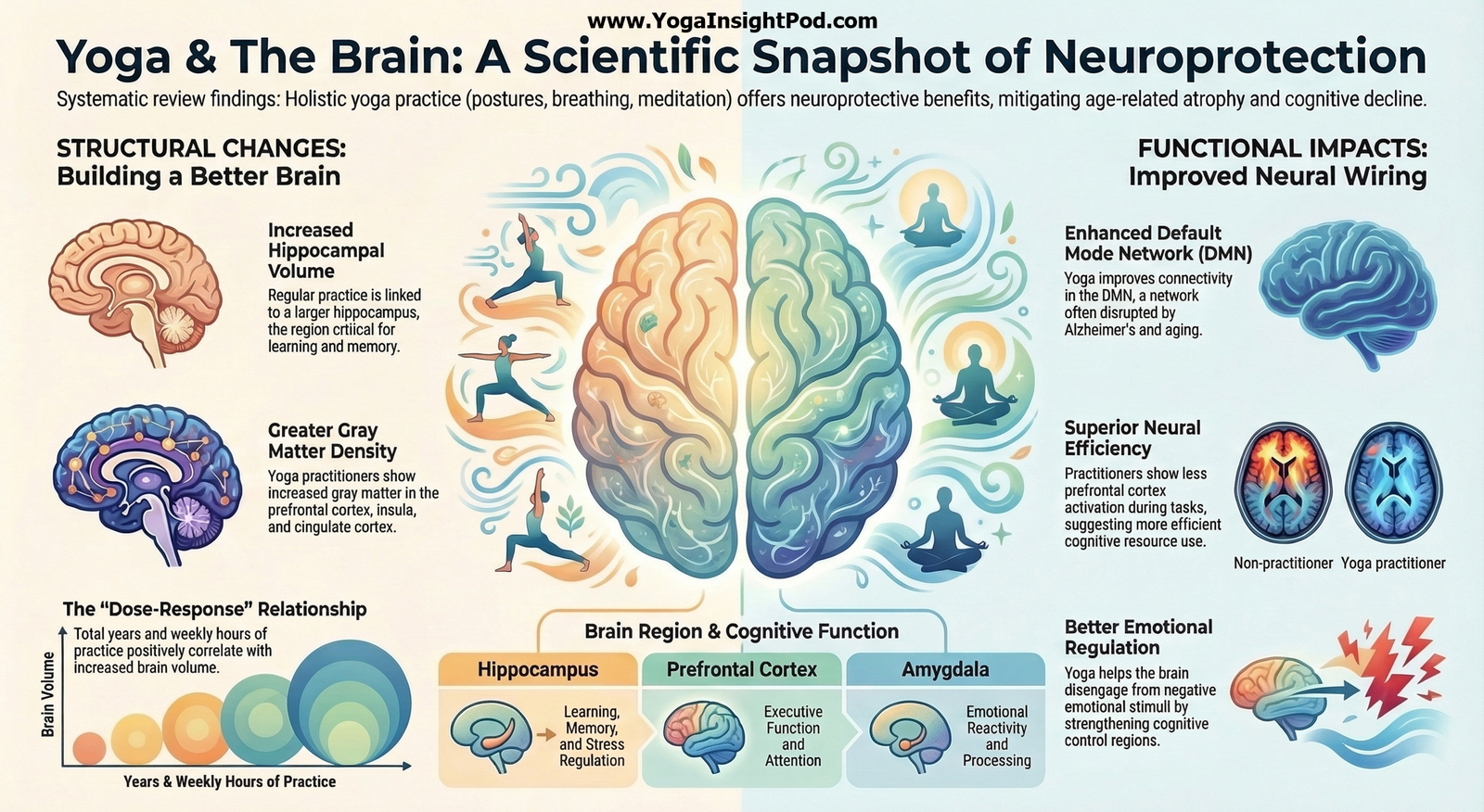
A systematic review of 11 neuroimaging studies by Neha P. Gothe from the University of Illinois at Urbana–Champaign and collaborators finds that regular yoga practice is associated with larger hippocampal and prefrontal regions, stronger default mode network connectivity, and more efficient emotion and attention networks. These changes suggest that yoga may help preserve brain health and cognitive function as we age.
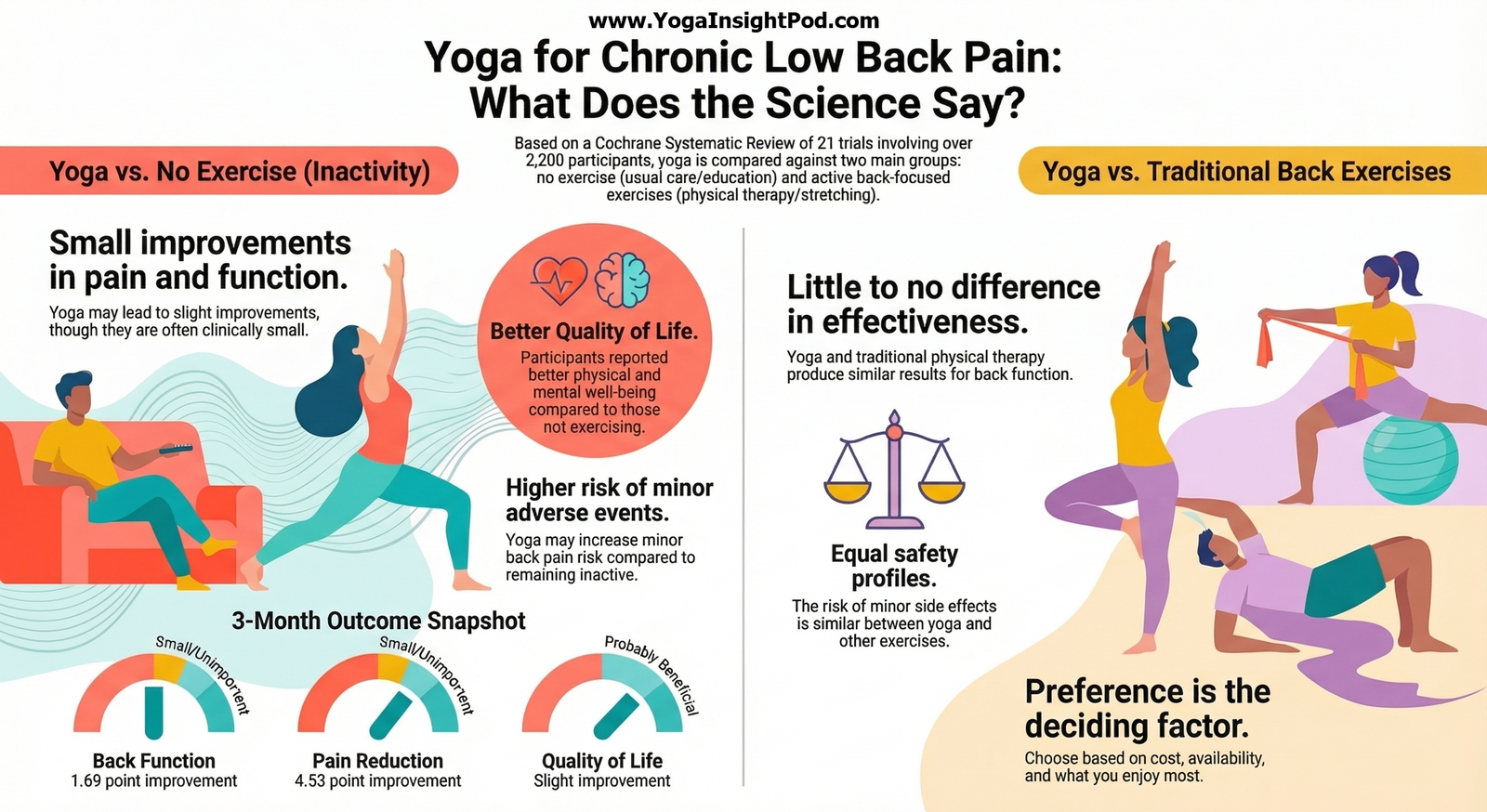
A 2022 Cochrane review of 21 trials by L Susan Wieland et. al., University of Maryland School of Medicine and collaborators finds that yoga provides small improvements in pain, function, and quality of life for chronic non-specific low back pain, comparable to other back-focused exercise. Yoga is generally safe but can temporarily flare symptoms, so tailored, therapeutic programs and gradual progression are key.
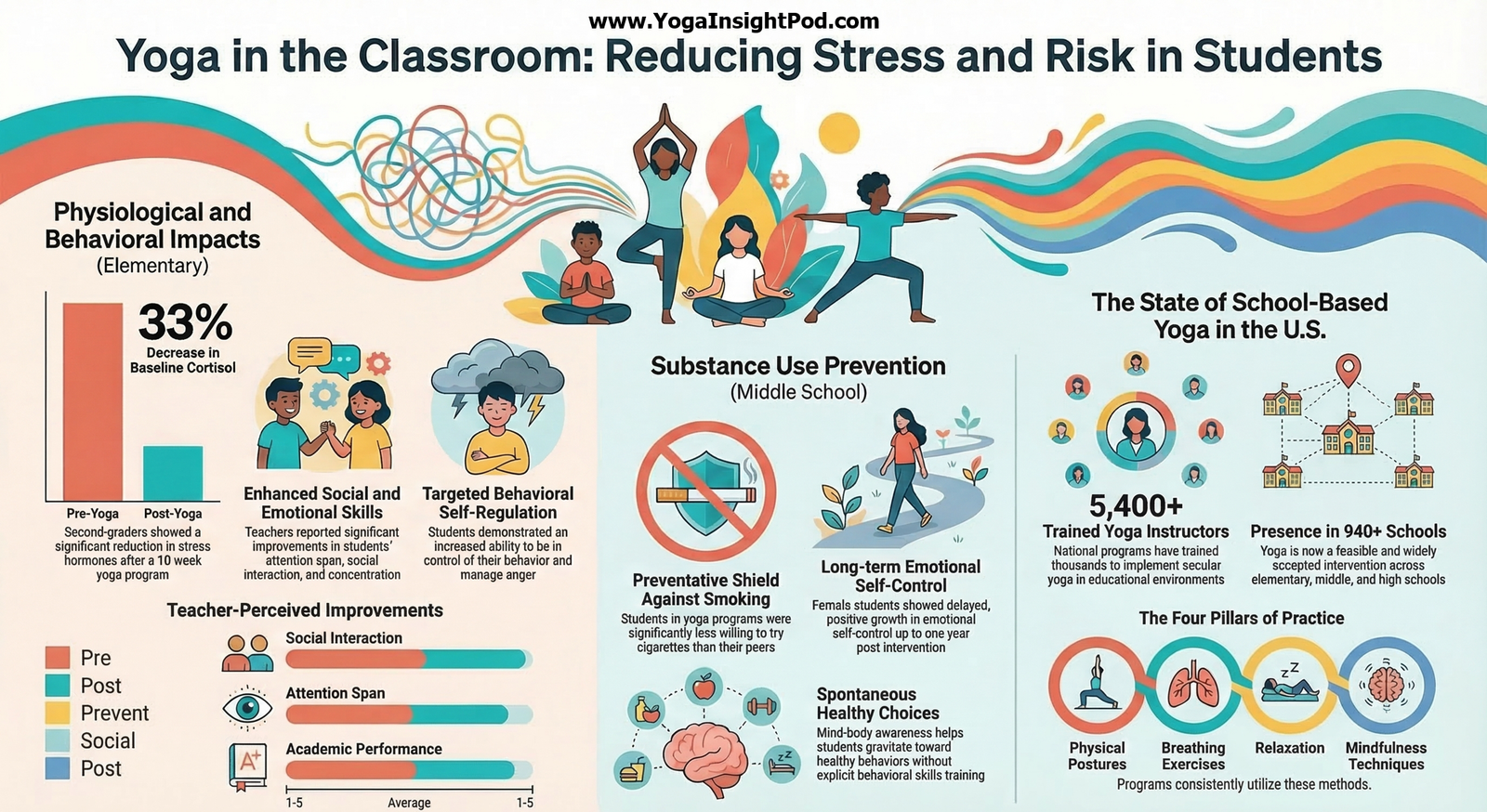
Research led by Sat Bir S. Khalsa from Harvard Medical School and colleagues highlights how school-based yoga programs may support student stress regulation, mood, behavior, and learning readiness. This brief overview summarizes key findings from U.S. studies across grade levels.
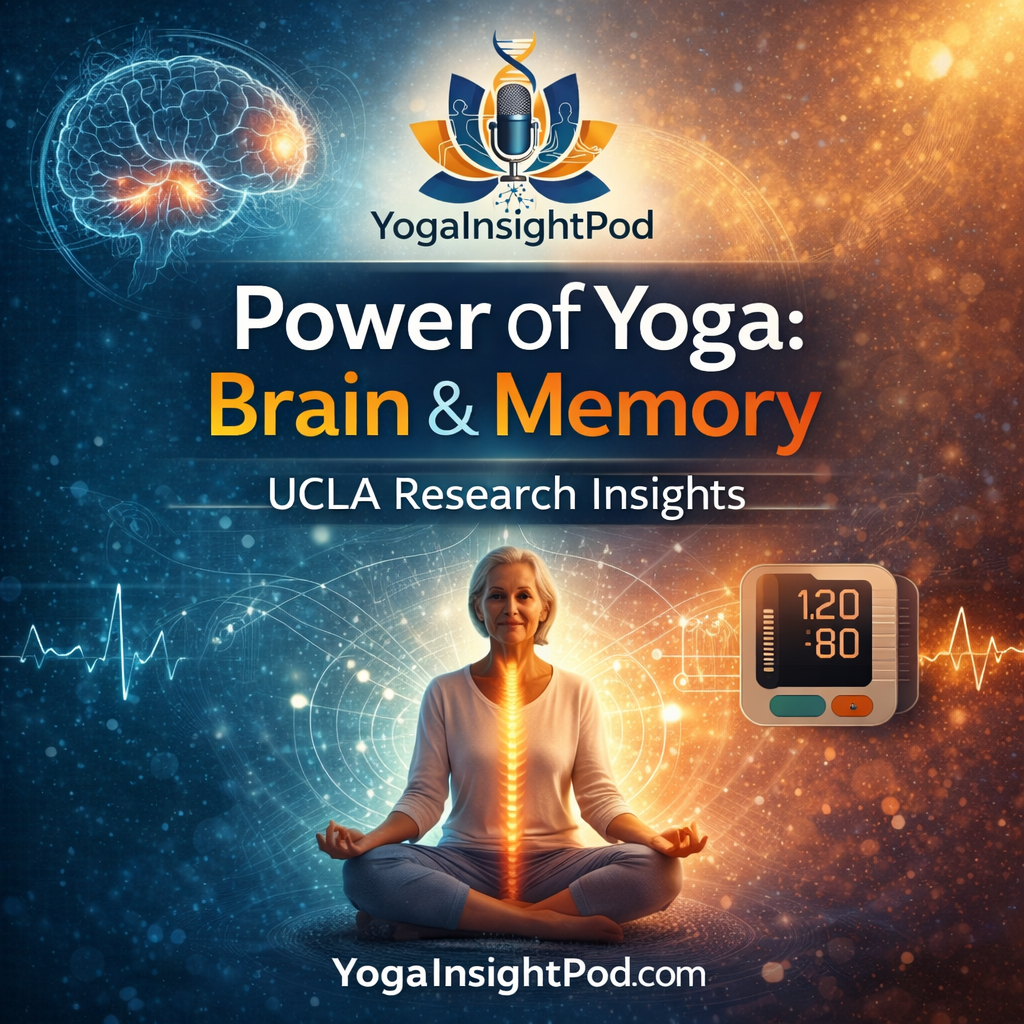
UCLA studies show that Kundalini yoga plus Kirtan Kriya not only improves memory and executive function, but also preserves hippocampal volume and rewires stress‑sensitive brain networks in older women at risk for Alzheimer’s. Used alongside memory training, yoga may offer complementary neuroprotective benefits for healthy cognitive aging.
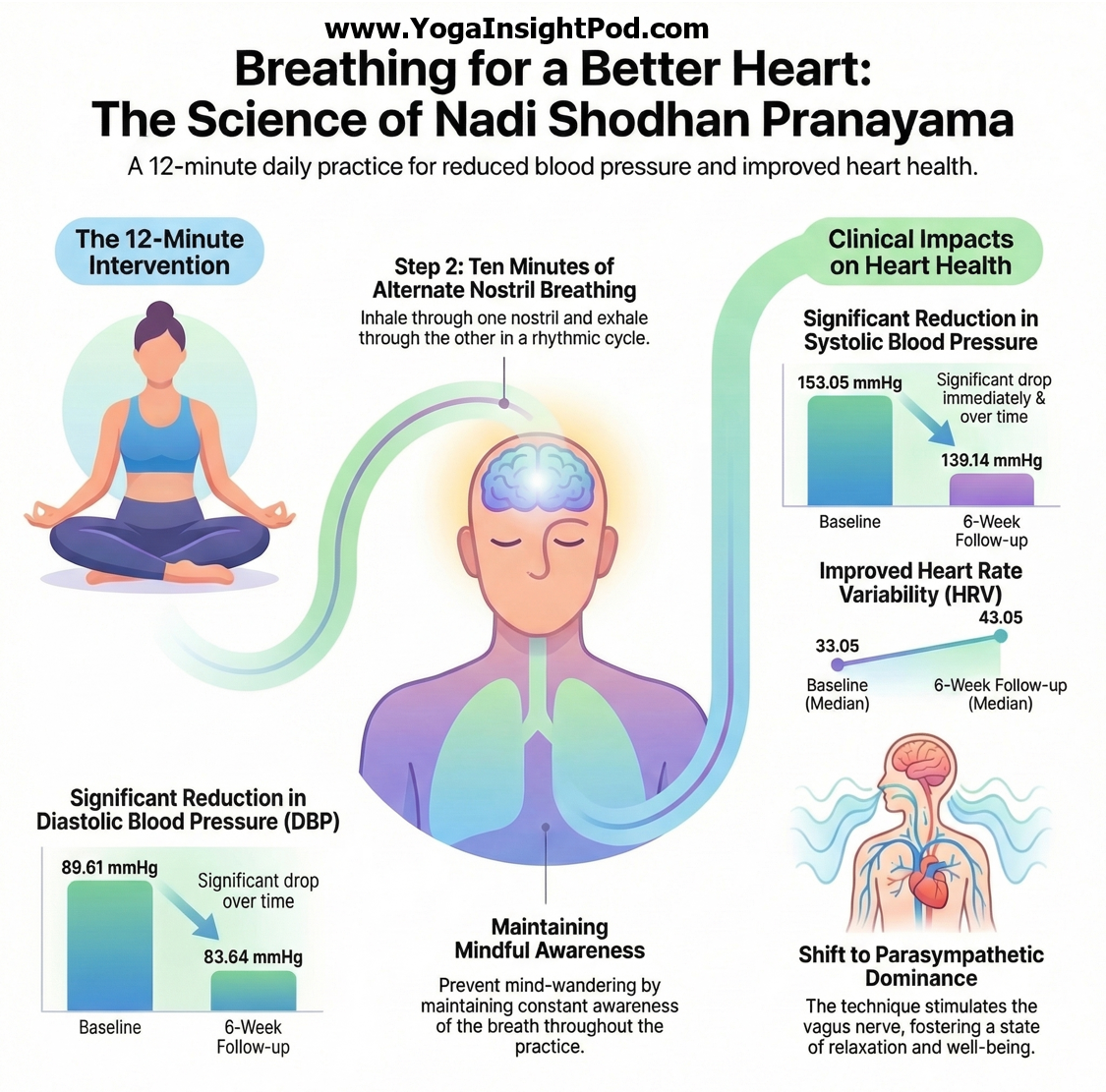
A 2025 randomized trial found that 10 minutes of daily Nadi Shodhan (alternate nostril breathing), added to standard treatment, significantly reduced systolic blood pressure and improved heart rate variability in adults with hypertension. This simple yogic breathing practice may be a powerful, low-cost adjunct for cardiovascular and autonomic health.
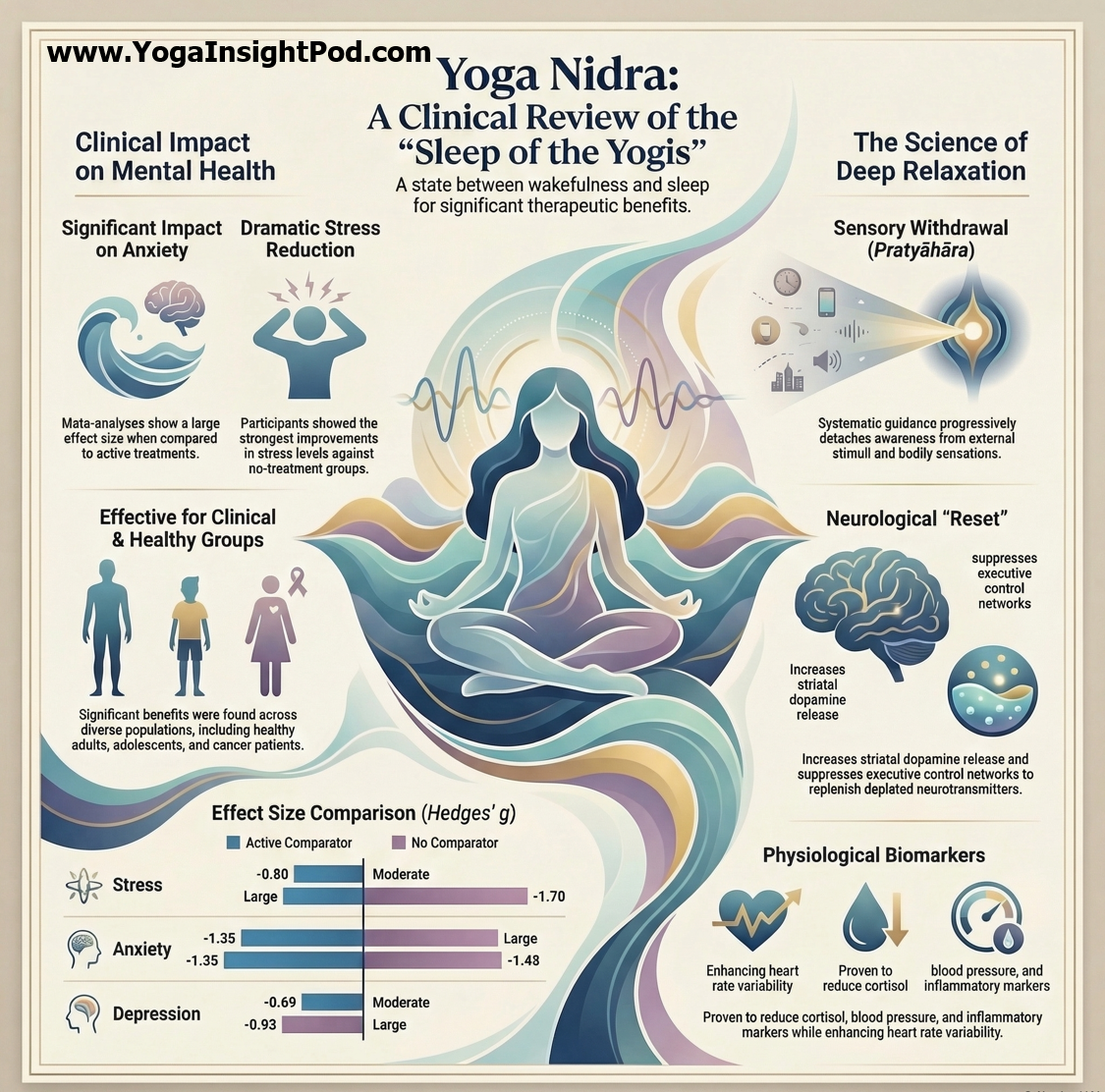
A 2026 meta-analysis of 73 studies finds that Yoga Nidra can produce moderate to large reductions in stress, anxiety, and depression across diverse groups, from students to clinical populations. Despite methodological limitations and likely inflated effect sizes, Yoga Nidra appears to be a promising, low cost complementary practice for mental health that now needs stronger trials and standardized protocols.
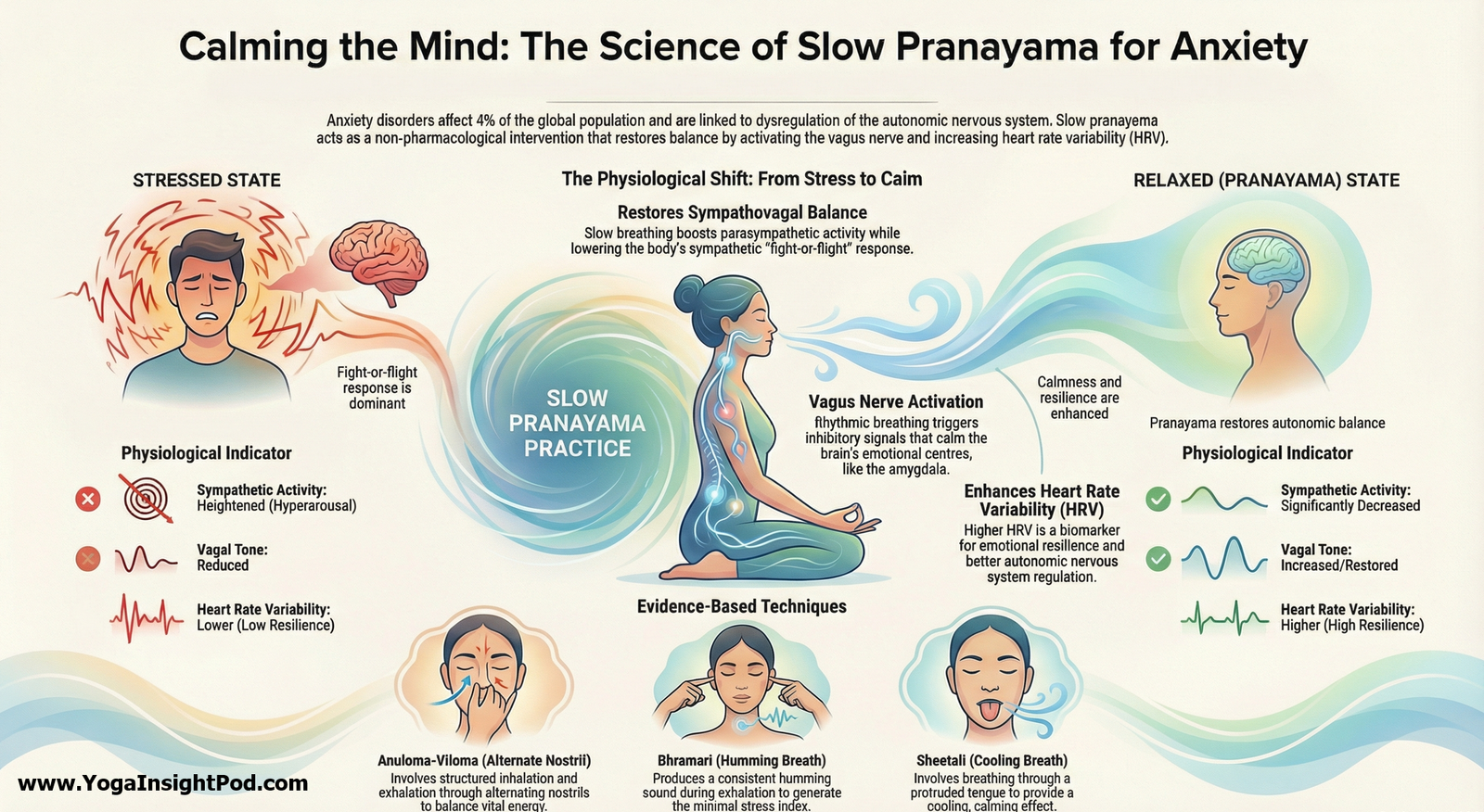
A 2025 review shows that slow pranayama gentle, rhythmic yogic breathing can reduce anxiety by increasing heart rate variability, enhancing vagal tone, and quieting overactive stress circuits in the brain. As an accessible, low cost practice, it offers a powerful complementary tool alongside standard anxiety treatments.
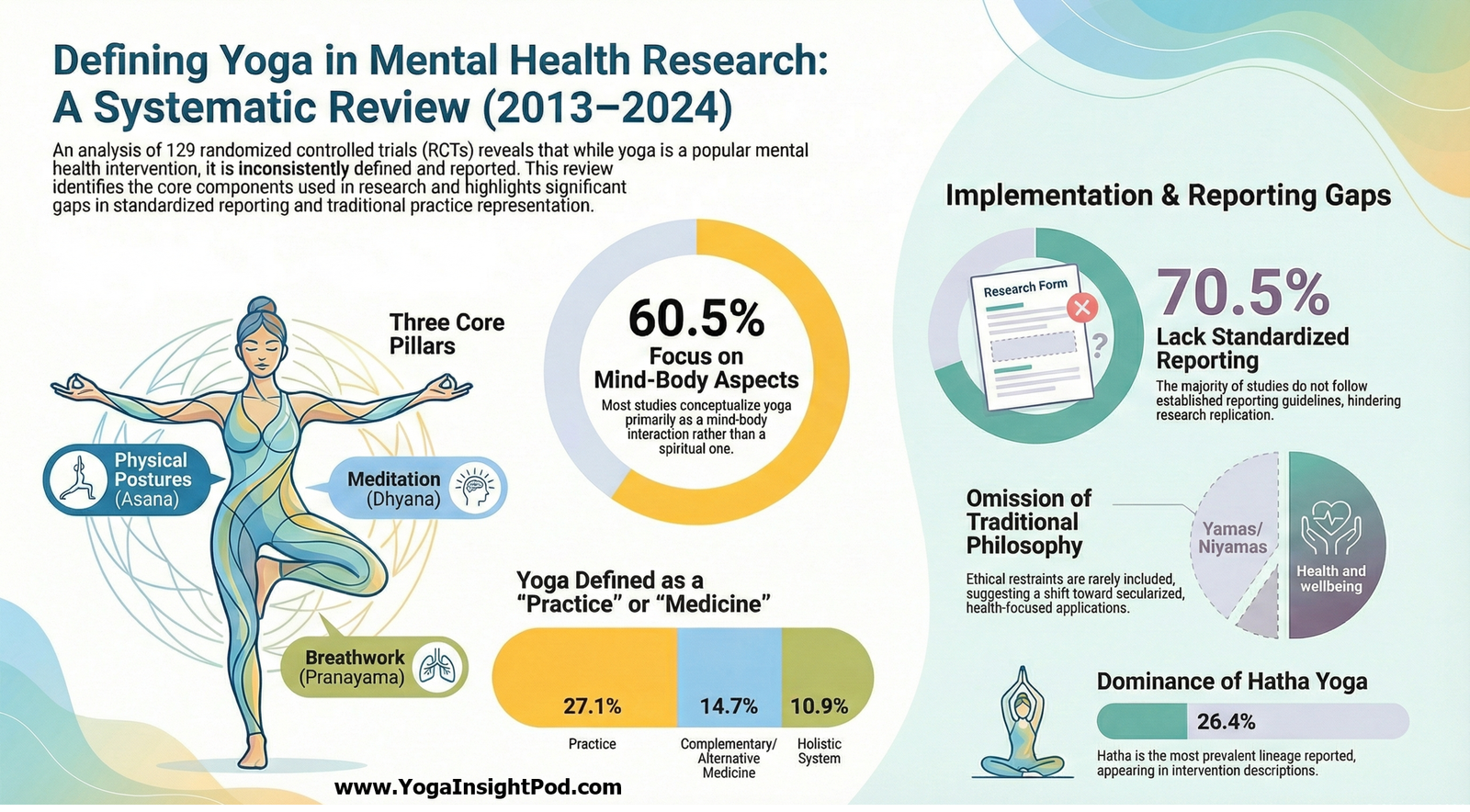
A 2026 systematic review of 129 RCTs finds that most “yoga for mental health” programs use a common trio: postures, breathwork, and relaxation/meditation, yet define yoga in many different ways. Clearer, standardized reporting is needed to know which yoga approaches best improve anxiety, depression, stress, and quality of life.
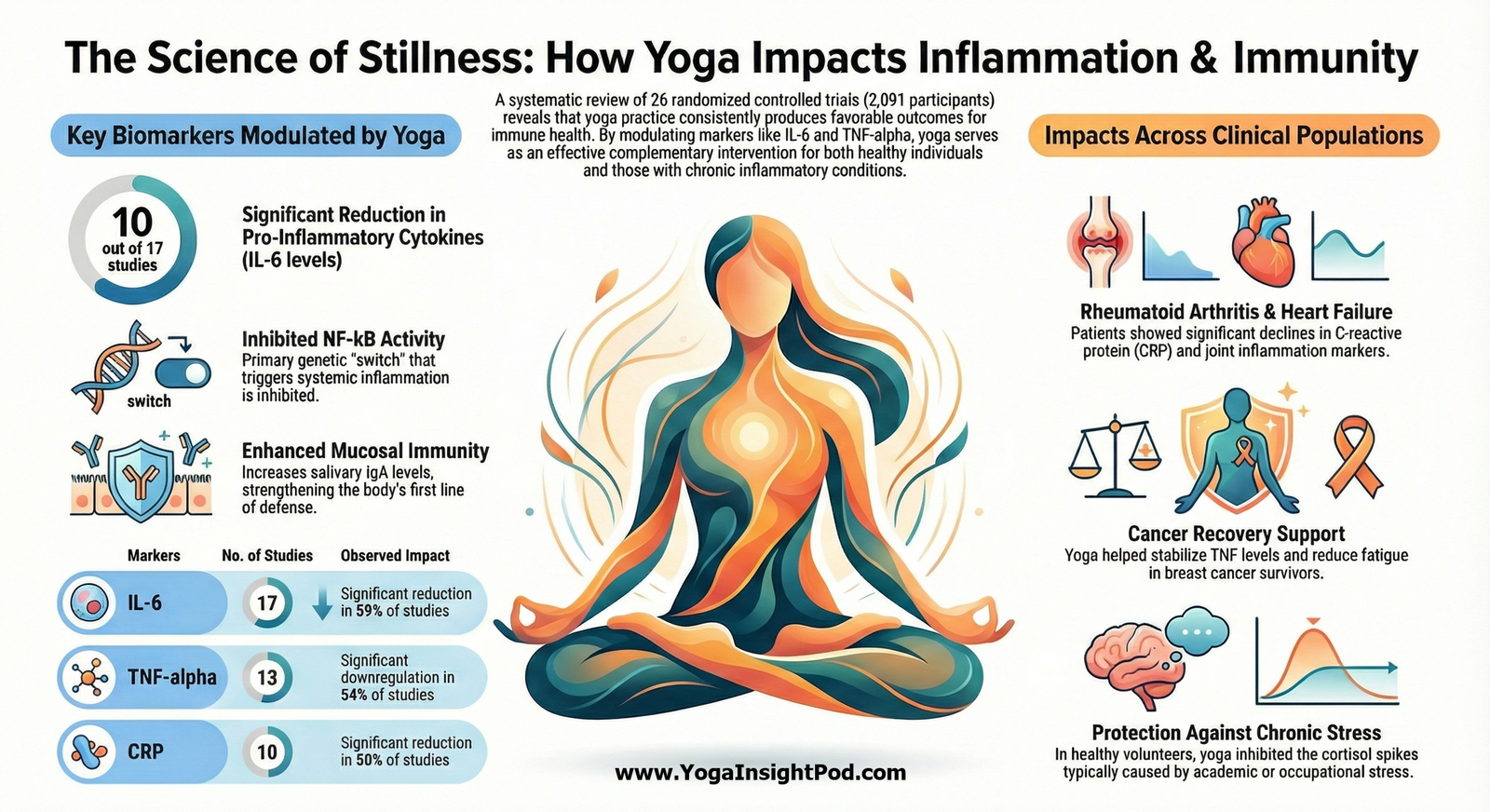
A 2024 systematic review of 26 randomized trials finds that yoga can lower key inflammatory markers (IL 6, TNF α, CRP) and boost aspects of immune function across multiple chronic conditions and in healthy adults. While evidence quality is mixed, yoga emerges as a low cost, promising add on for managing chronic inflammation.
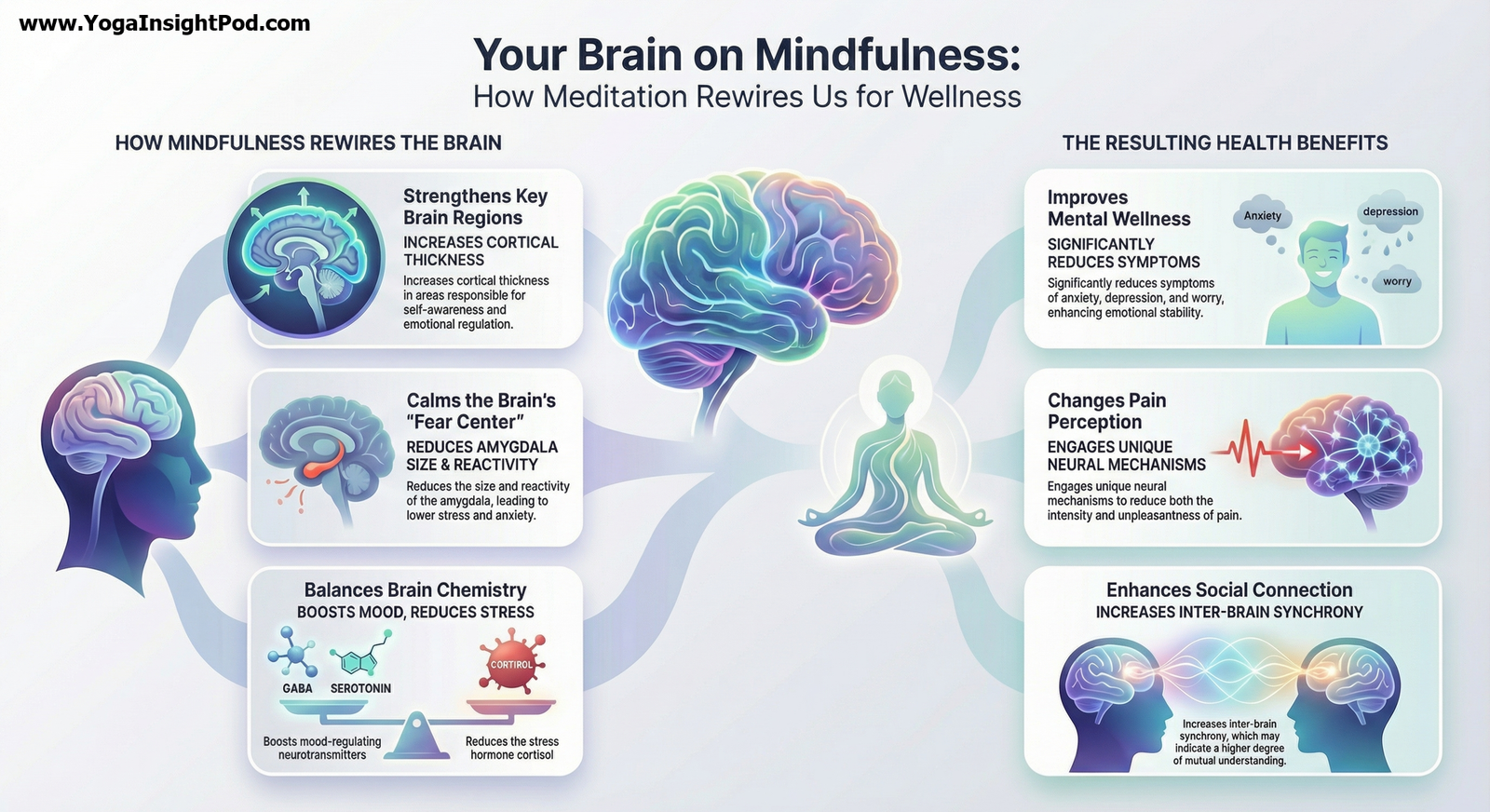
Go inside the MRI machine to see how mindfulness physically changes your brain structure and chemistry. We explore the 2024 research on how meditation shrinks the fear center, boosts "feel-good" neurotransmitters, and even synchronizes your brain waves with others for better relationships.
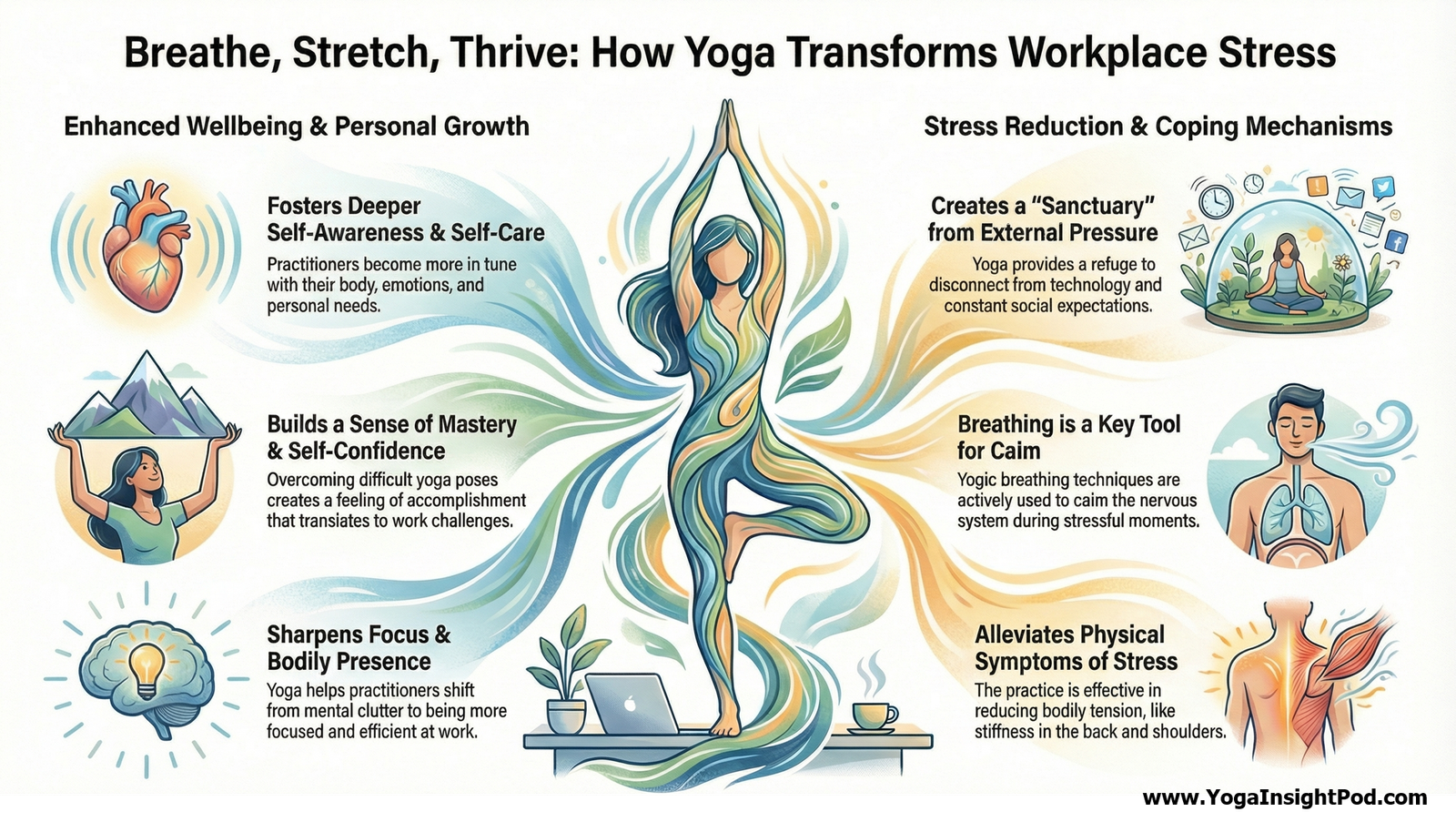
Explore why modern professionals are turning to yoga as "skill in action" to reclaim mental clarity and rebuild after burnout. Learn how simple, portable breathing techniques can shift your nervous system from "fight or flight" to a state of mastery, presence, and improved workplace collaboration.
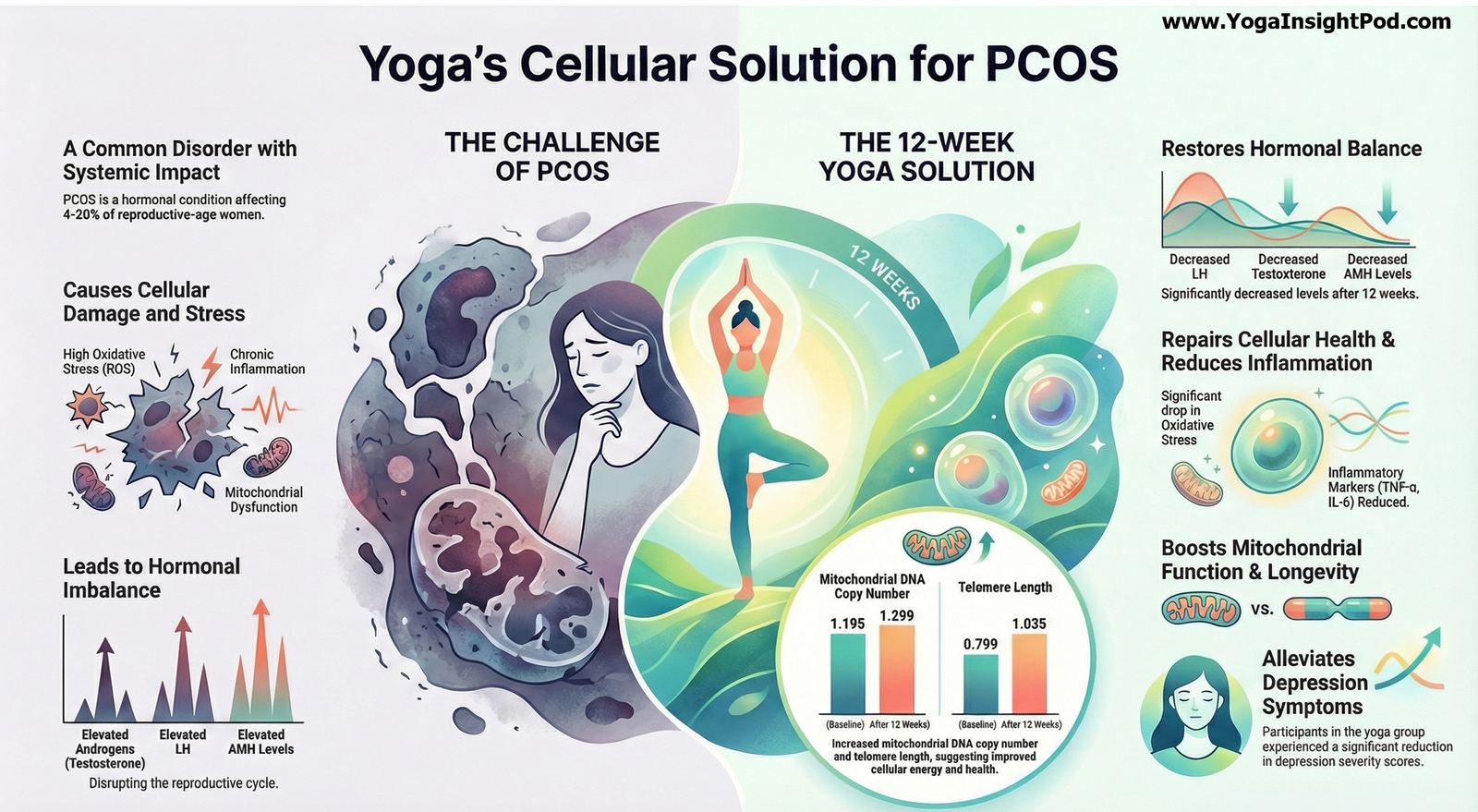
A 12 week randomized trial shows yoga can rebalance hormones, reduce oxidative stress, improve mitochondrial health, and ease depression in women with PCOS making it a powerful mind body add on to conventional treatment.

This blog talks about the review paper “Effects of Yoga on Gene Expression: A Systematic Review of Randomised Controlled Trials” by Selvaraj Giridharan et. al., on how yoga influences gene expression, inflammation, immune regulation, and cellular aging, based on evidence from randomized controlled trials. The review paper explores the molecular science behind yoga’s effects on stress, immunity, and long-term health through an evidence-based lens.
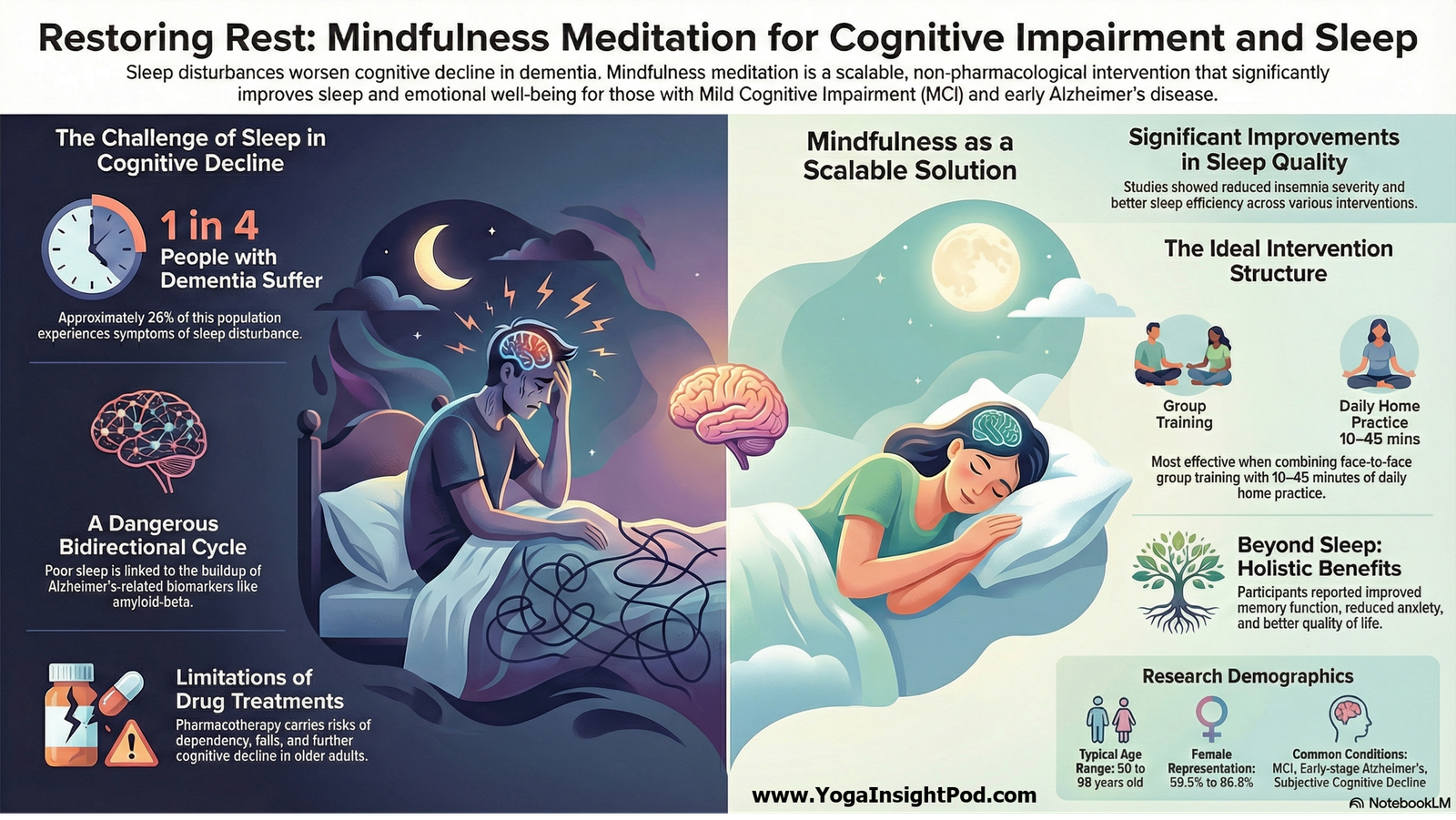
Research shows that structured mindfulness meditation programs can meaningfully improve sleep quality, reduce insomnia and ease fatigue in older adults with mild cognitive impairment or early Alzheimer’s disease. While more rigorous trials are needed, the findings suggest mindfulness is a low-cost, scalable tool that benefits both sleep and overall well-being in this vulnerable group.
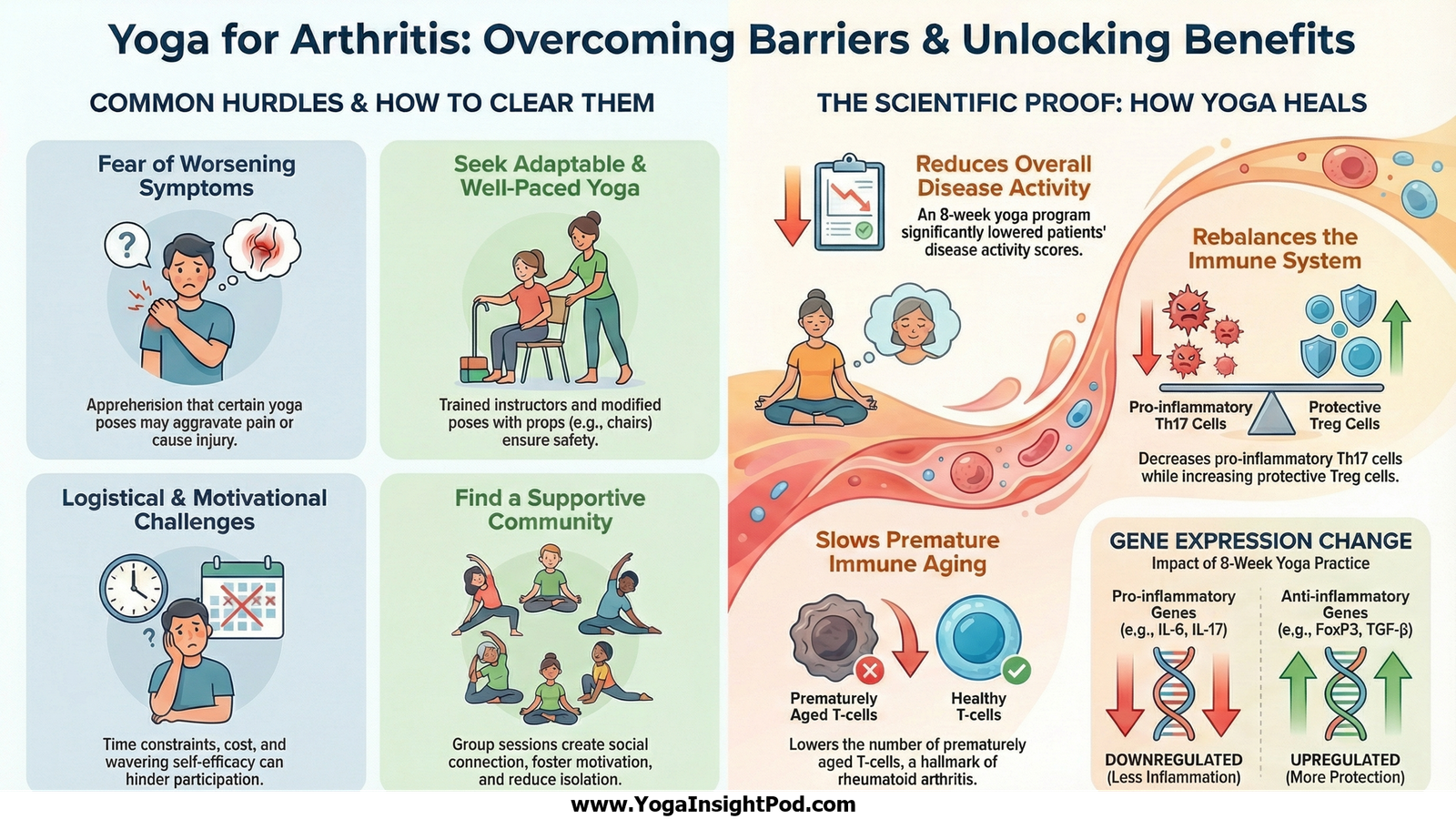
Can yoga do more than improve flexibility for people with arthritis? This episode explores clinical and patient-centered evidence showing how yoga helps restore immune balance, reduce inflammation, and slow immune aging in rheumatoid arthritis while also addressing real-world barriers and facilitators to sustainable practice. Together, these studies offer an evidence-based look at how yoga works biologically and how it can be meaningfully integrated into daily life as a complementary therapy for arthritis.
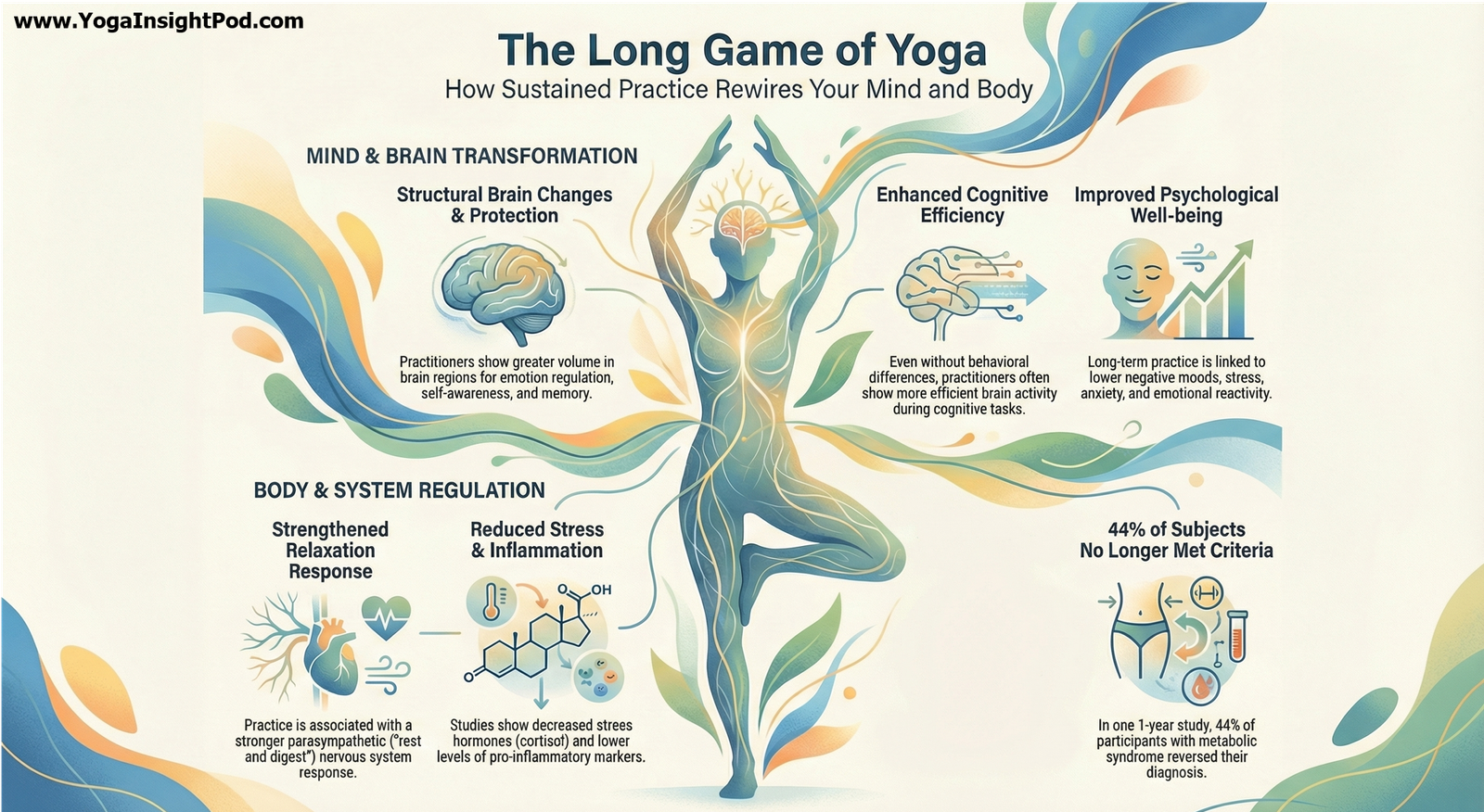
A 2025 scoping review maps the profound impact of long-term yoga practice (over one year) on the human system. It provides a comprehensive evidence map showing significant qualitative and quantitative improvements in neural connectivity, cognitive function, and psychological resilience compared to short-term interventions.
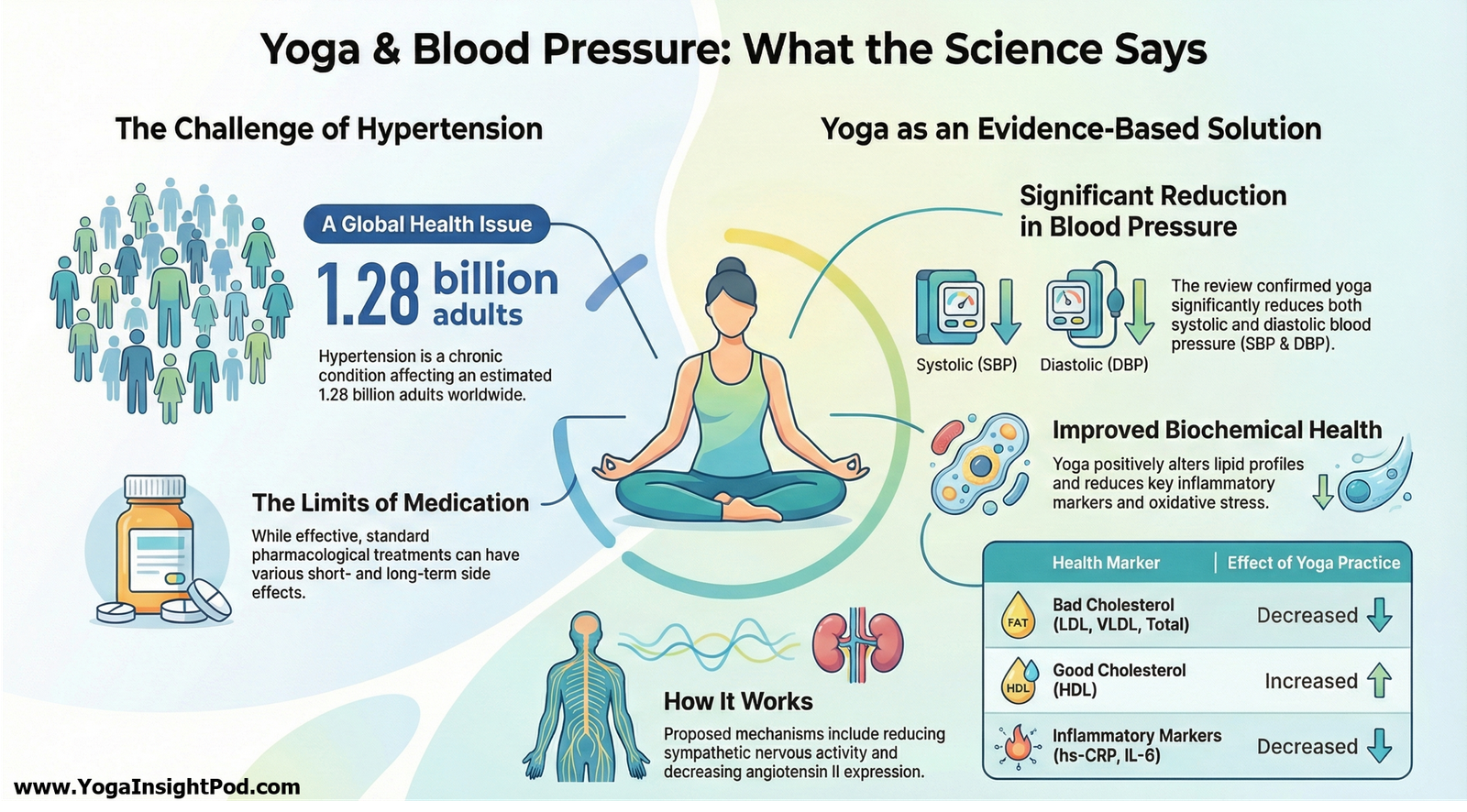
This 2025 systematic review of 15 clinical trials demonstrates that regular yogic practices—including specific Asanas, Pranayama, and Yoga Nidra—positively influence key biochemical markers such as lipid profiles and oxidative stress. The findings suggest that yoga acts as an effective, non-pharmacological adjunctive therapy for lowering systolic and diastolic blood pressure in hypertensive patients.
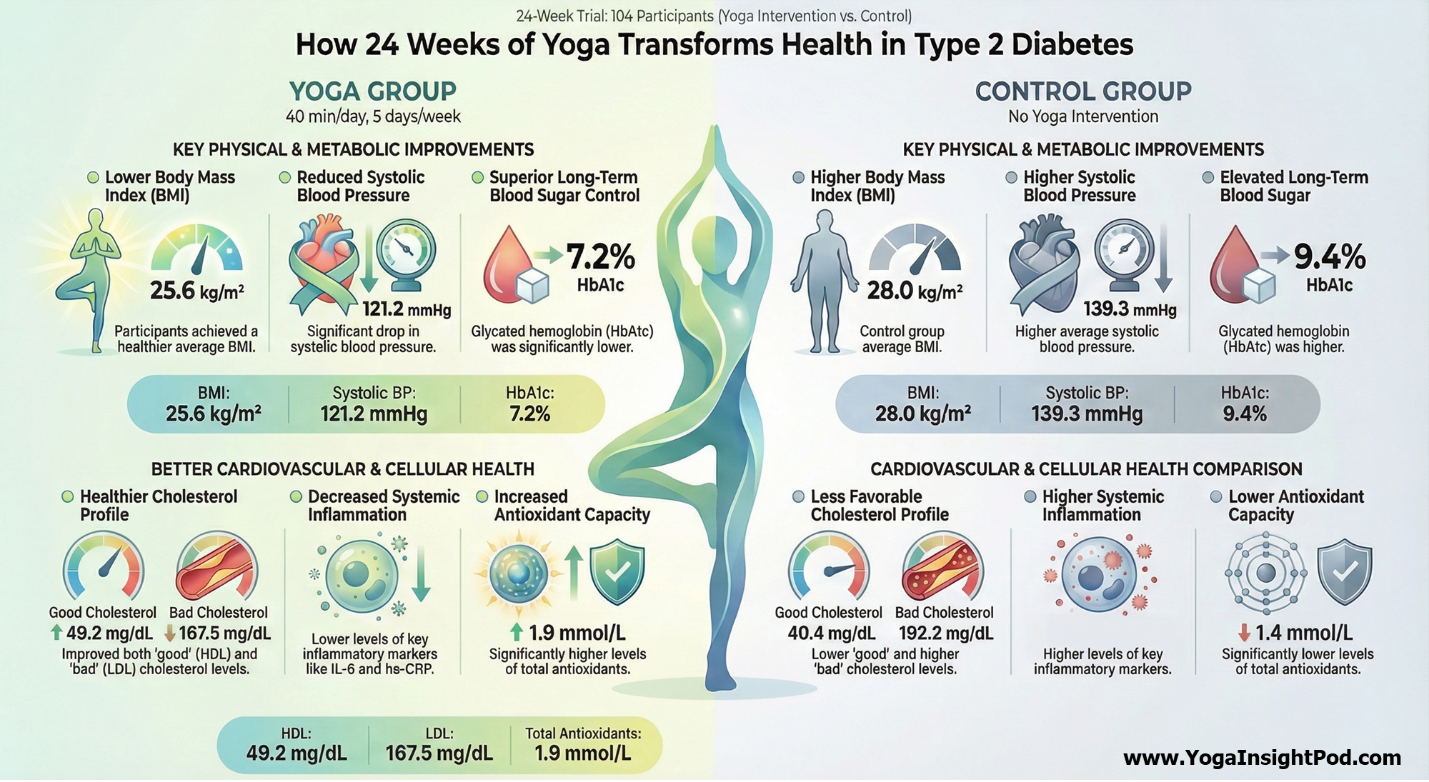
A randomized clinical study of adults with type 2 diabetes found that a 24-week yoga program significantly improved blood sugar control, reduced inflammation, improved cholesterol levels, lowered blood pressure, and increased antioxidant status. In this episode, Yoga Insight Pod explores how structured yoga practice influenced key cardiometabolic and inflammatory markers in people living with diabetes.
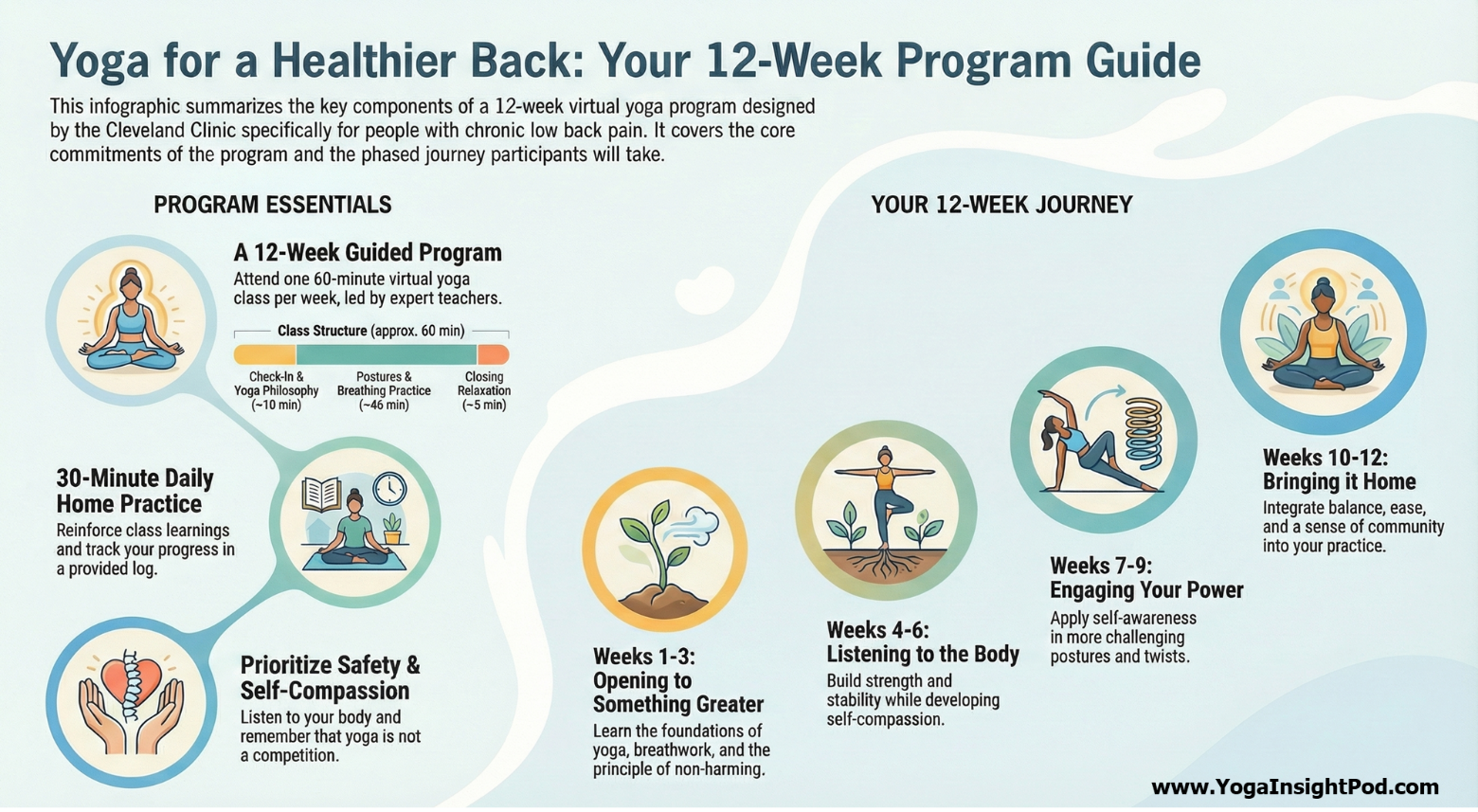
A randomized clinical trial found that a 12-week virtual yoga program significantly reduced chronic low back pain, improved daily function, and lowered pain medication use, with benefits lasting beyond the program period.
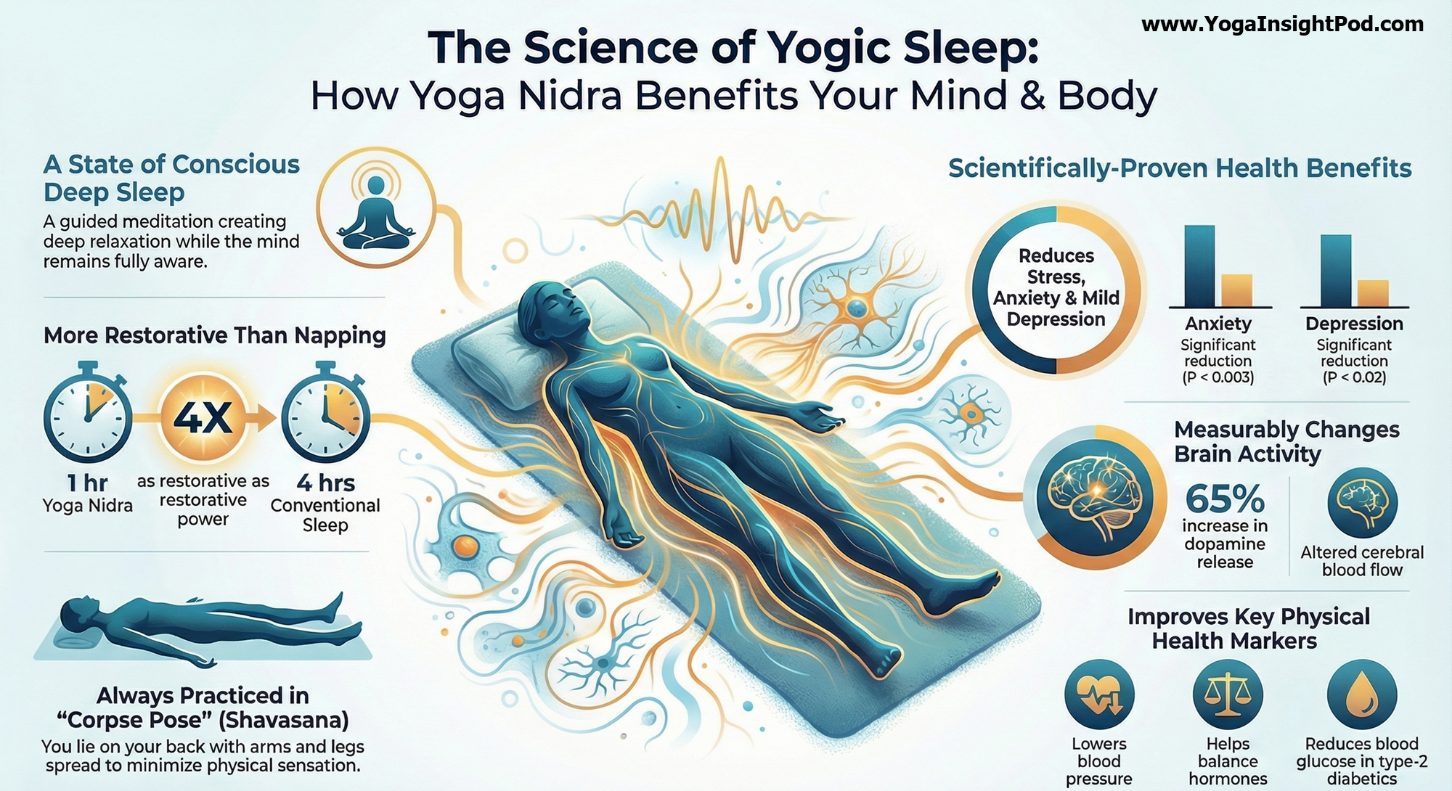
Explore the science of Yoga Nidra, a guided yogic sleep practice shown to support stress reduction, brain function, sleep quality, and overall well-being.
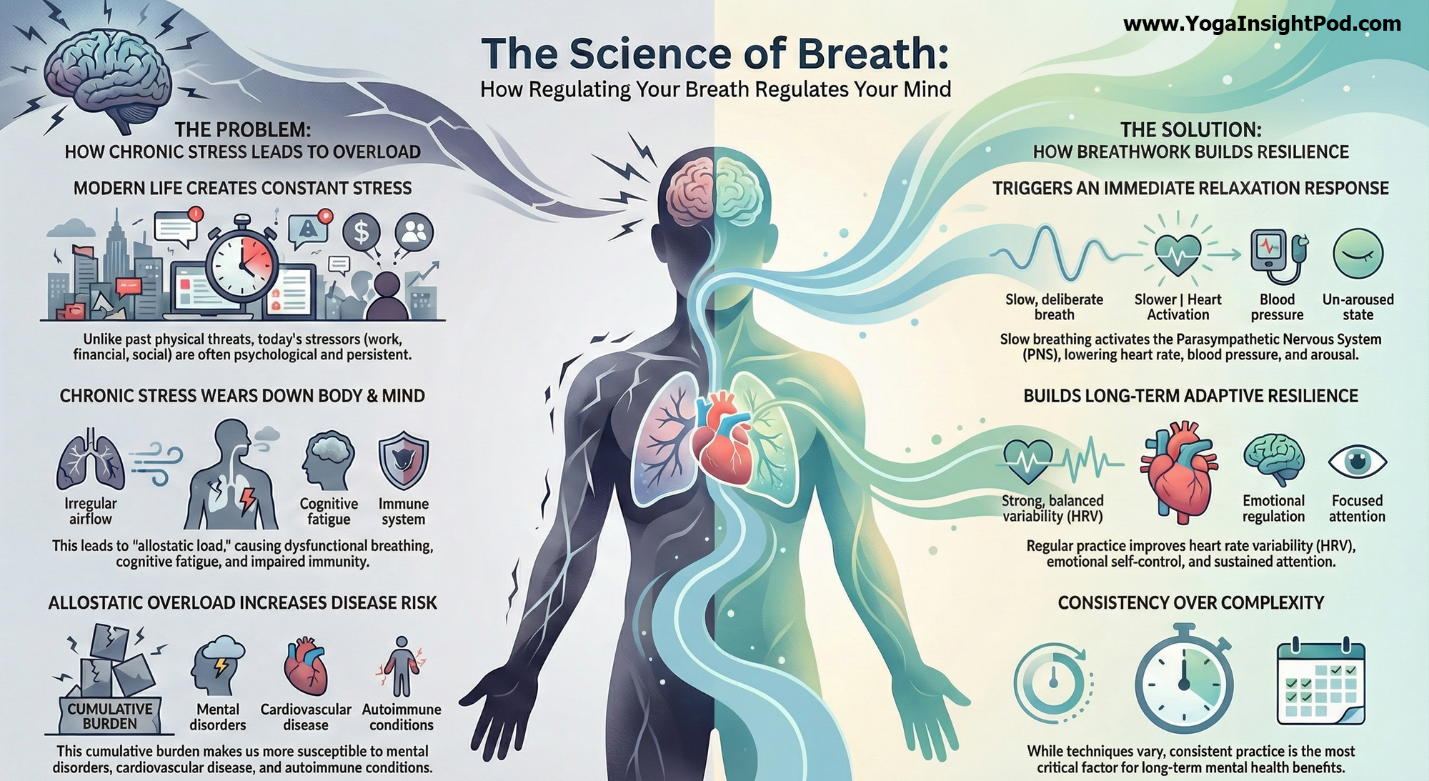
Explore scientific evidence on breathwork for chronic stress and mental health, and learn whether specific breathing techniques truly matter.