A randomized clinical study of adults with type 2 diabetes found that a 24-week yoga program significantly improved blood sugar control, reduced inflammation, improved cholesterol levels, lowered blood pressure, and increased antioxidant status. In this episode, Yoga Insight Pod explores how structured yoga practice influenced key cardiometabolic and inflammatory markers in people living with diabetes.
Type 2 diabetes mellitus is closely linked with persistent hyperglycemia, dyslipidemia, chronic inflammation, and oxidative stress factors that substantially increase cardiovascular risk. Conventional antidiabetic therapies are effective but may carry adverse effects, highlighting the need for complementary lifestyle-based interventions. Yoga has emerged as one such approach, drawing increasing scientific attention. A 24 week randomized clinical trial evaluated whether a structured yoga intervention could improve cardiovascular risk factors and inflammatory markers in individuals with type 2 diabetes. The findings provide important insights into yoga’s role as a supportive, non-pharmacological therapy.
Study Design and Yoga Intervention
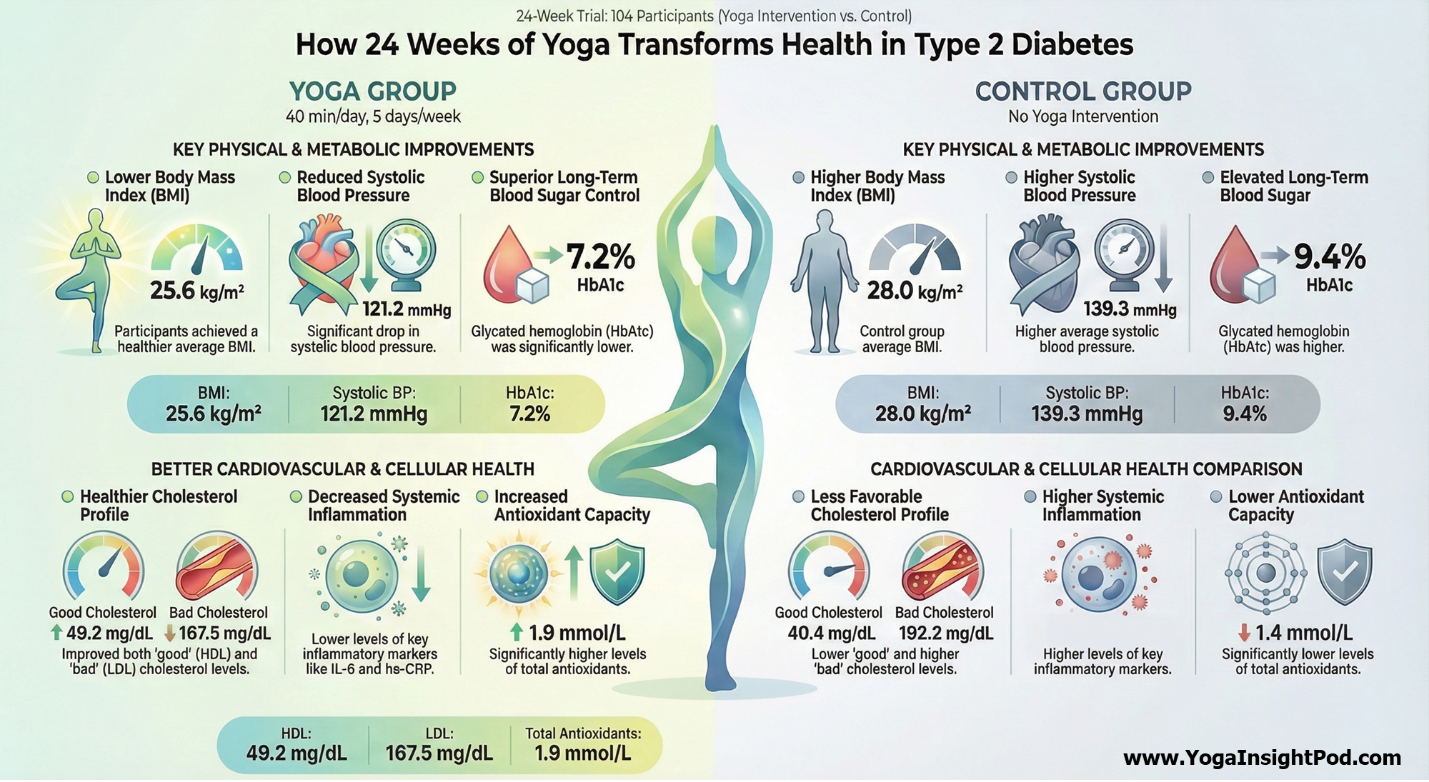
This hospital-based prospective randomized study enrolled 104 adults with type 2 diabetes, aged 30–65 years. Participants were randomly assigned to either a control group receiving standard diabetes care or an intervention group that practiced yoga for 40 minutes per session, five days per week, over a 24-week period. The yoga program was multifaceted and individualized, combining yogasanas, breathing exercises, relaxation, and meditation. Practices included forward, backward, and twisting postures, pranayama techniques such as Nadi Shodhana, Ujjayi, Anulom Vilom, Bhastrika, and Bhramari, followed by meditation and relaxation. Compliance was monitored throughout the study, and no serious adverse effects were reported
Effects on Body Composition and Blood Pressure
After 24 weeks, participants in the yoga intervention group demonstrated significant improvements in anthropometric measures compared with controls. Body mass index and waist–hip ratio were markedly reduced, indicating favorable changes in body composition. Systolic and diastolic blood pressure levels were also significantly lower in the yoga group, suggesting improved cardiovascular regulation. These findings indicate that regular yoga practice can positively influence physical parameters that are strongly associated with cardiovascular risk in diabetes.
Improvements in Glycemic Control
Glycemic markers showed substantial improvement following the yoga intervention. Fasting glucose, postprandial glucose, and glycated hemoglobin (HbA1c) levels were significantly reduced in the intervention group after 24 weeks, whereas no meaningful changes were observed in the control group The study suggests that yogic practices may enhance glucose utilization and insulin sensitivity through mechanisms such as improved muscle glucose uptake, enhanced blood flow, and favorable neuroendocrine modulation.
Favorable Changes in Lipid Profile
Participants practicing yoga experienced significant improvements in lipid parameters associated with atherosclerosis. Levels of low-density lipoprotein cholesterol, very low density lipoprotein cholesterol, and non-HDL cholesterol were reduced, while high-density lipoprotein cholesterol increased significantly These changes reflect a reduced atherogenic lipid profile and suggest a cardioprotective effect of sustained yoga practice in individuals with type 2 diabetes.
Reduction in Inflammation and Oxidative Stress
Chronic low-grade inflammation and oxidative stress are key contributors to diabetes-related complications. After 24 weeks, the yoga intervention group showed significant reductions in inflammatory markers, including interleukin-6 and high-sensitivity C-reactive protein. At the same time, total antioxidant levels increased significantly, indicating improved oxidative balance. The findings support the role of yoga in modulating inflammatory pathways and enhancing endogenous antioxidant defenses.
Proposed Mechanisms of Benefit
The study identifies two primary pathways through which yoga may exert its beneficial effects. First, yoga may reduce activation of the sympathoadrenal system and the hypothalamic pituitary adrenal axis, thereby alleviating stress and its downstream metabolic consequences. Second, yoga may directly stimulate vagal activity, enhancing parasympathetic dominance and improving cardiovagal function, metabolic regulation, and inflammatory responses.
Strengths and Limitations of the Evidence
A major strength of this study is its 24 week duration with frequent practice, which is longer than many previously reported yoga interventions. The inclusion of a control group and comprehensive assessment of metabolic, inflammatory, and antioxidant markers strengthens the validity of the findings. However, limitations include lack of participant blinding, reliance on self-reported compliance for home practice, and absence of insulin level measurements. Despite these limitations, the results provide meaningful evidence supporting yoga as a lifestyle intervention in diabetes management
Conclusion
This 24 week randomized clinical trial demonstrates that regular yoga practice significantly improves glycemic control, lipid profile, blood pressure, inflammatory markers, and antioxidant status in individuals with type 2 diabetes. The findings establish a scientific foundation for yoga as a cardioprotective and metabolically beneficial lifestyle therapy when used alongside standard medical care.
Disclaimer: This blog is for educational purposes only and does not replace professional medical advice.