Go inside the MRI machine to see how mindfulness physically changes your brain structure and chemistry. We explore the 2024 research on how meditation shrinks the fear center, boosts "feel-good" neurotransmitters, and even synchronizes your brain waves with others for better relationships.
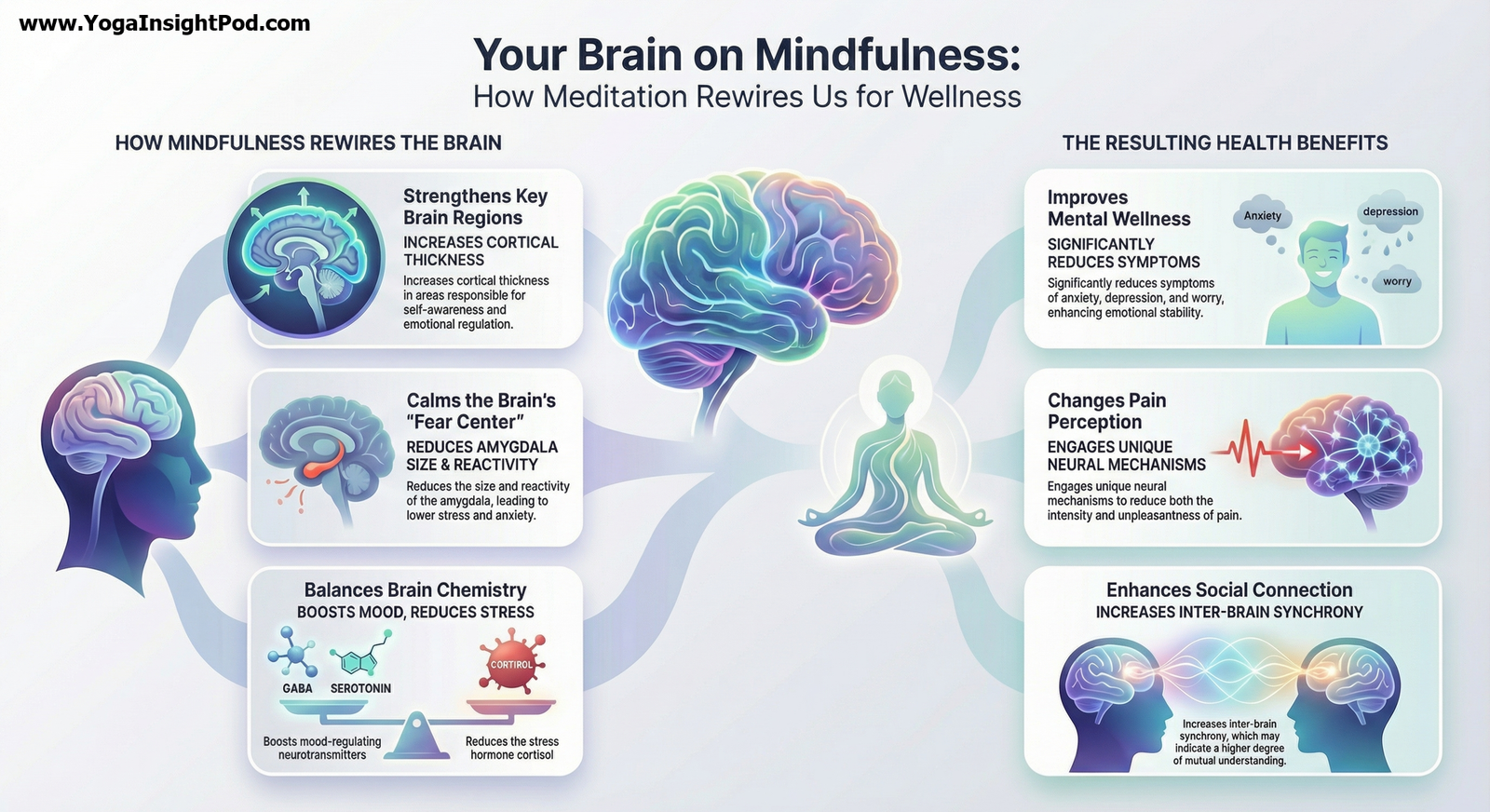
A 2024 systematic review in Biomedicines pulls together neuroimaging and biomarker studies to show that mindfulness and meditation don’t just calm you down they physically remodel the brain and its chemistry.
Across nine core studies, Mindfulness-Based Stress Reduction (MBSR) and related practices increased cortical thickness in key regions for attention and emotional regulation, including the prefrontal cortex, anterior cingulate cortex, right insula, and somatosensory cortex. These structural shifts were paired with meaningful psychological changes: lower anxiety, worry, depression, and alexithymia, and better emotional awareness. Functional MRI work showed that mindfulness recruits distinct pain control circuits especially the orbitofrontal and anterior cingulate cortices leading to larger reductions in pain intensity and unpleasantness than placebo or sham meditation. Mindfulness also altered connectivity within large scale networks, dampening default mode activity linked to rumination, boosting prefrontal links that support self-regulation, and in social settings increasing inter-brain synchrony between people during face to face conversations. On the biochemical side, regular practice was associated with higher GABA, serotonin, and BDNF, alongside lower cortisol, a profile consistent with better mood, learning, and stress resilience.
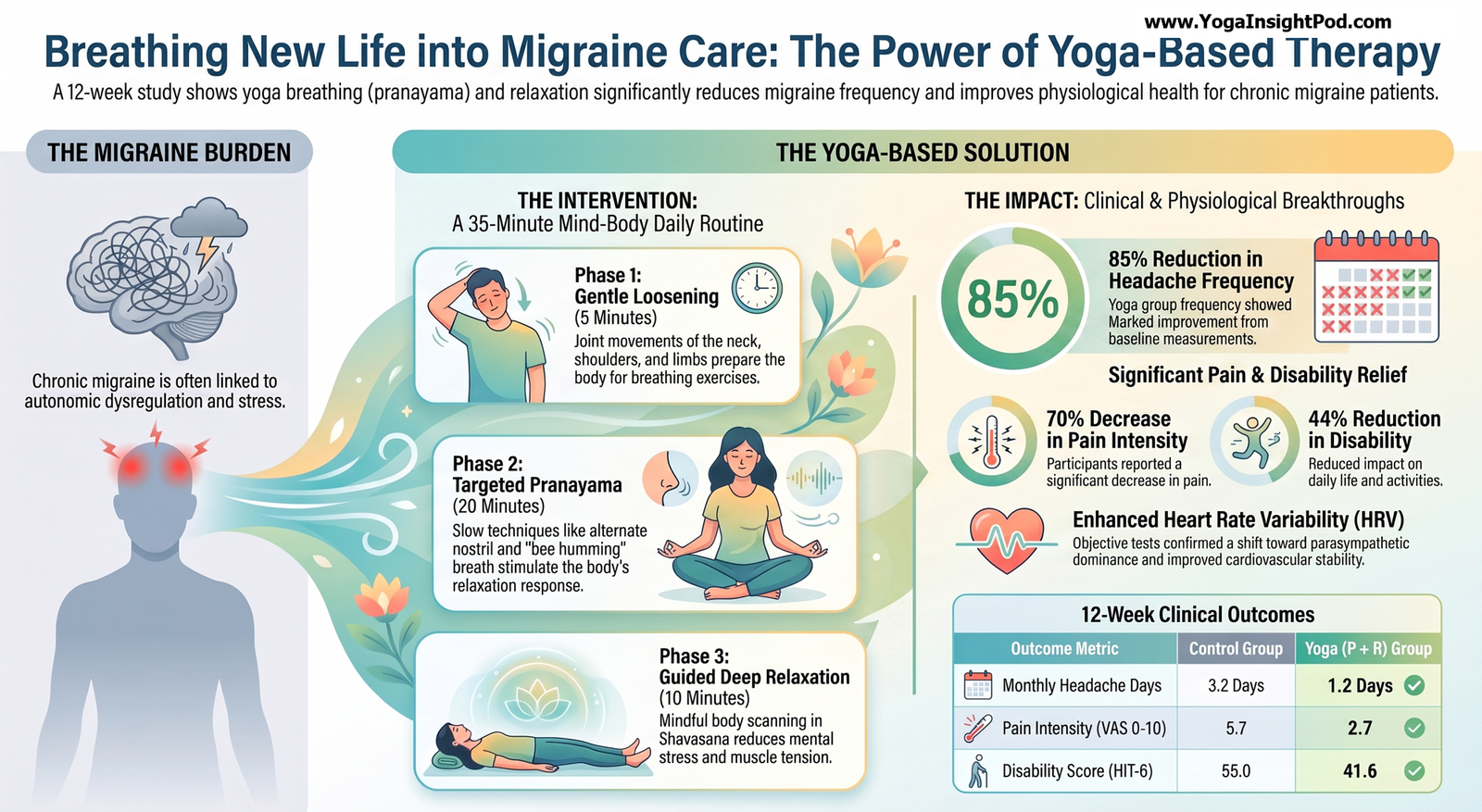
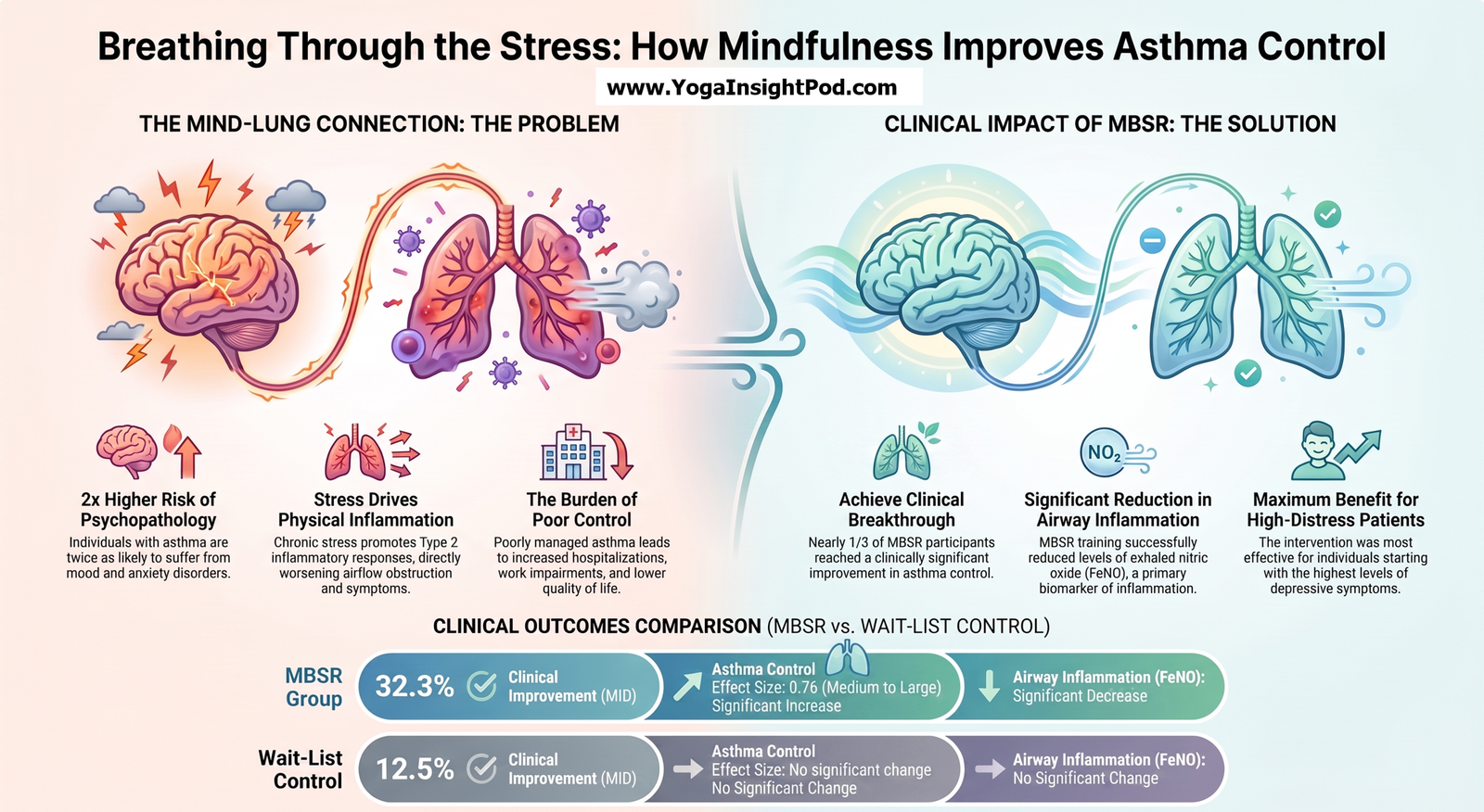
Clinically, these neurobiological shifts translated into reduced smoking cue reactivity (especially in women), improvements in chronic pain, and better quality of life and hippocampal structure in people with multiple sclerosis, with growing evidence for benefits in migraine, autism, anxiety disorders, and neurorehabilitation contexts. While findings on impulsivity are mixed and sample sizes remain modest, the review concludes that mindfulness systematically strengthens brain systems for emotion regulation, sensory processing, and cognitive control providing a biologically grounded pathway from daily meditation to long-term mental health.