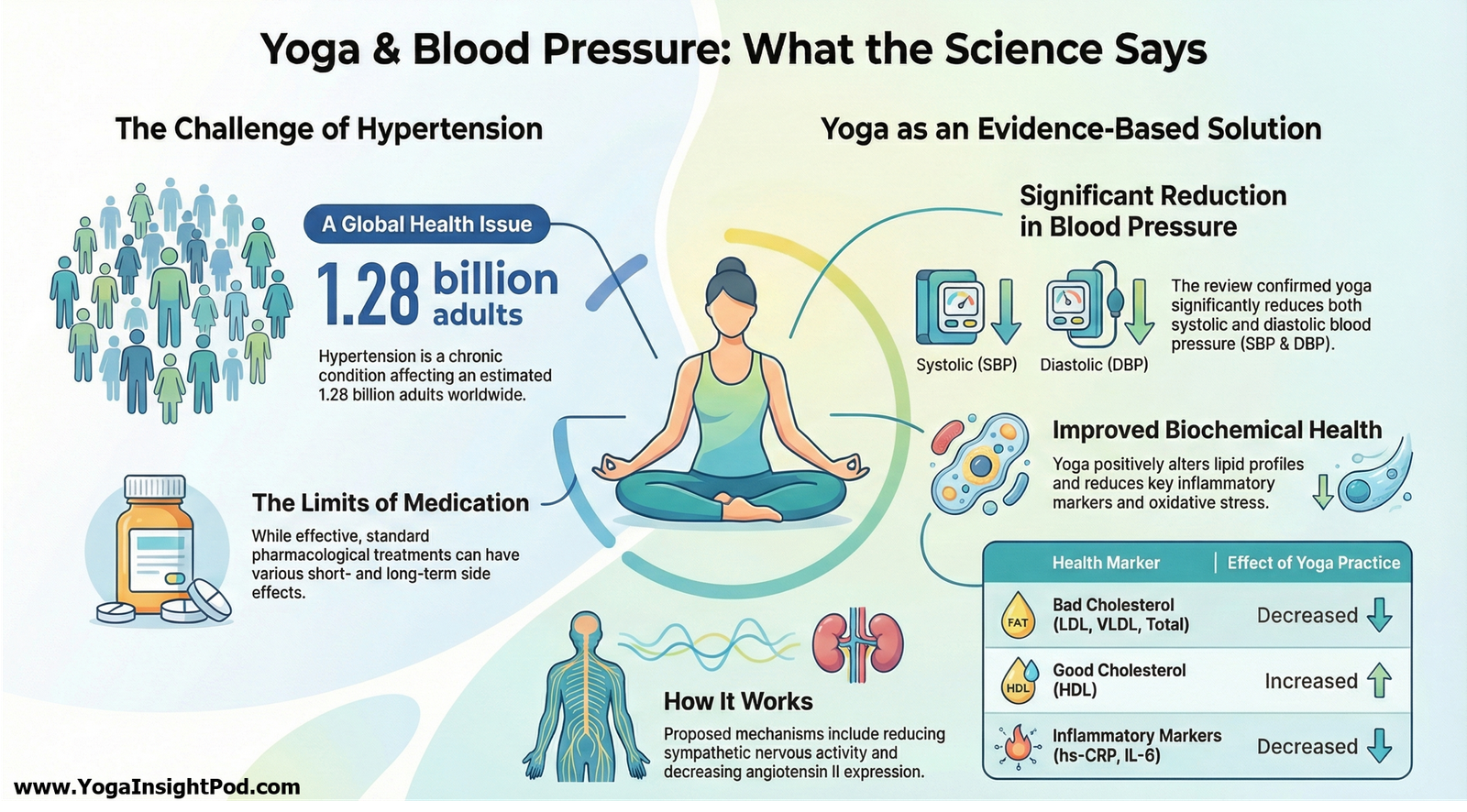
This 2025 systematic review of 15 clinical trials demonstrates that regular yogic practices—including specific Asanas, Pranayama, and Yoga Nidra—positively influence key biochemical markers such as lipid profiles and oxidative stress. The findings suggest that yoga acts as an effective, non-pharmacological adjunctive therapy for lowering systolic and diastolic blood pressure in hypertensive patients.
Hypertension is not just about high blood pressure numbers; it is a complex condition tied to inflammation, oxidative stress, hormones and the nervous system and the studies shows that Yoga can meaningfully touch all of these layers in people living with high blood pressure.
15 clinical studies (5 randomized controlled trials and 10 clinical trials) that tested different yogic practices in adults with hypertension or related conditions, with interventions lasting from 2 months up to a year and sample sizes ranging from 33 to 300 participants. Most studies were conducted in India, with additional trials from Korea, the USA and Brazil, and combined Yoga with standard medical care rather than replacing medications.
The interventions were not a single “Yoga program” but a blend of postures, breathing and meditation practices commonly taught in therapeutic Yoga. Across studies, the most frequently used elements included:
• Asanas such as Shavasana, Tadasana, Trikonasana, Bhujangasana, Paschimottanasana and simple loosening or warm up exercises.
• Pranayama like Anulom Vilom (alternate nostril breathing), Bhramari, Chandranadi, Sheetali, Bhastrika and Kapalabhati.
• Meditative practices including Yoga Nidra, Om chanting, Brain Education based Meditation and Sudarshan Kriya.
• In many protocols, sessions started with gentle warm ups, moved into standing and floor postures, then slower breathing practices and ended with deep relaxation.
Across the trials included in the final analysis, regular Yoga practice led to significant improvements in several key physiological and biochemical markers linked to hypertension. Reported benefits included:
Lower systolic and diastolic blood pressure, mean arterial pressure and rate pressure product in most studies.
• Better lipid profiles, with reductions in total cholesterol, LDL, VLDL and triglycerides, and increases or maintenance of HDL.
• Decreases in markers of inflammation and oxidative stress, such as high sensitivity C reactive protein, interleukin 6, malondialdehyde, and improvements in antioxidant enzymes like superoxide dismutase and glutathione.
• In at least one trial in high risk pregnant women, Yoga was associated with reduced risk of developing gestational hypertension and favorable changes in nitric oxide and other cardiometabolic markers, even though blood pressure itself increased as pregnancy progressed.
Interestingly, psychological questionnaire scores did not consistently change, suggesting that the measurable benefits on blood pressure and blood chemistry may occur even when patients do not report dramatic shifts in mood or stress on standard scales.
Possible mechanisms behind the benefits: Several physiological pathways through which Yoga may support healthier blood pressure regulation.
• Autonomic balance: Many practices appear to decrease sympathetic (“fight or flight”) activity and enhance parasympathetic (“rest and digest”) tone, which can slow heart rate, relax blood vessels and lower blood pressure.
• Reduced oxidative stress: Some protocols were associated with lower oxygen demand and fewer reactive oxygen species, reflected in reduced malondialdehyde and boosted antioxidant defenses.
• Hormonal and inflammatory shifts: Yoga based meditation and breathing may modulate the hypothalamic pituitary adrenal axis, lipid metabolism, immune function and expression of inflammatory genes.
• Improved endothelial function: Increases in nitric oxide and changes in renin angiotensin activity suggest that Yoga may support healthier vessel dilation and vascular tone.
Future research, the review notes, should more directly track hormones like renin, vasopressin, aldosterone, cortisol and neurotransmitters such as GABA and norepinephrine, along with molecular markers and epigenetic changes, to deepen understanding of how Yoga works at a cellular level in hypertension.
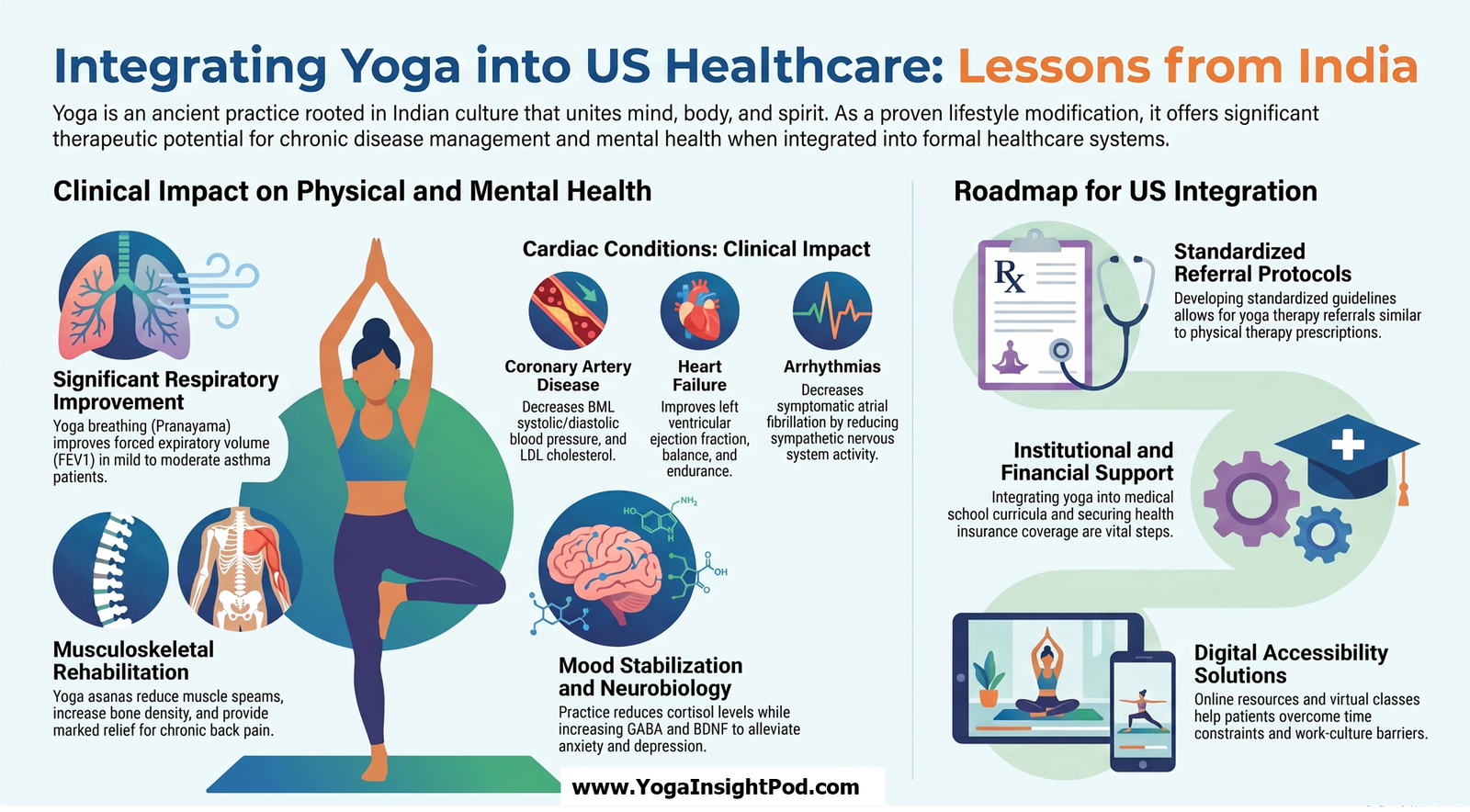
What this means for people with hypertension: Studies present Yoga as a promising adjunct not a replacement for standard antihypertensive treatment. Short daily sessions that blend gentle postures, slow breathing and guided relaxation can be low cost, accessible tools to help improve blood pressure, support healthier cholesterol patterns and calm underlying inflammatory and oxidative processes that drive cardiovascular risk.
However, the studies also highlight important limitations: many studies had small sample sizes, incomplete blinding, variable protocols and limited follow up, making it hard to identify one “ideal” Yoga prescription or to know how long benefits last. For now, the most practical takeaway is that consistent, well taught Yoga especially practices emphasizing relaxation and slow breathing can be a valuable companion to medication, diet and lifestyle changes in the holistic management of hypertension, with the hope that future high quality trials will clarify the most effective routines and long term impact.