Explore scientific evidence on breathwork for chronic stress and mental health, and learn whether specific breathing techniques truly matter.
Chronic stress is now recognized as a major contributor to mental health disorders worldwide. Modern lifestyles expose individuals to persistent psychological stressors that overwhelm the body’s adaptive capacity, leading to anxiety, depression, autonomic imbalance, and long-term physiological wear and tear. In response to this growing burden, breathwork has gained significant attention as a low-cost, accessible intervention for improving mental well-being
Breathwork refers to a broad group of techniques that involve voluntary regulation of breathing patterns, pace, and attention. Despite the diversity of approaches from slow diaphragmatic breathing to fast-paced pranayama an important question remains: does choosing a specific breathing technique actually matter for long-term mental health?
This article summarizes current scientific evidence addressing that question.
Chronic Stress and Mental Health: The Physiological Context
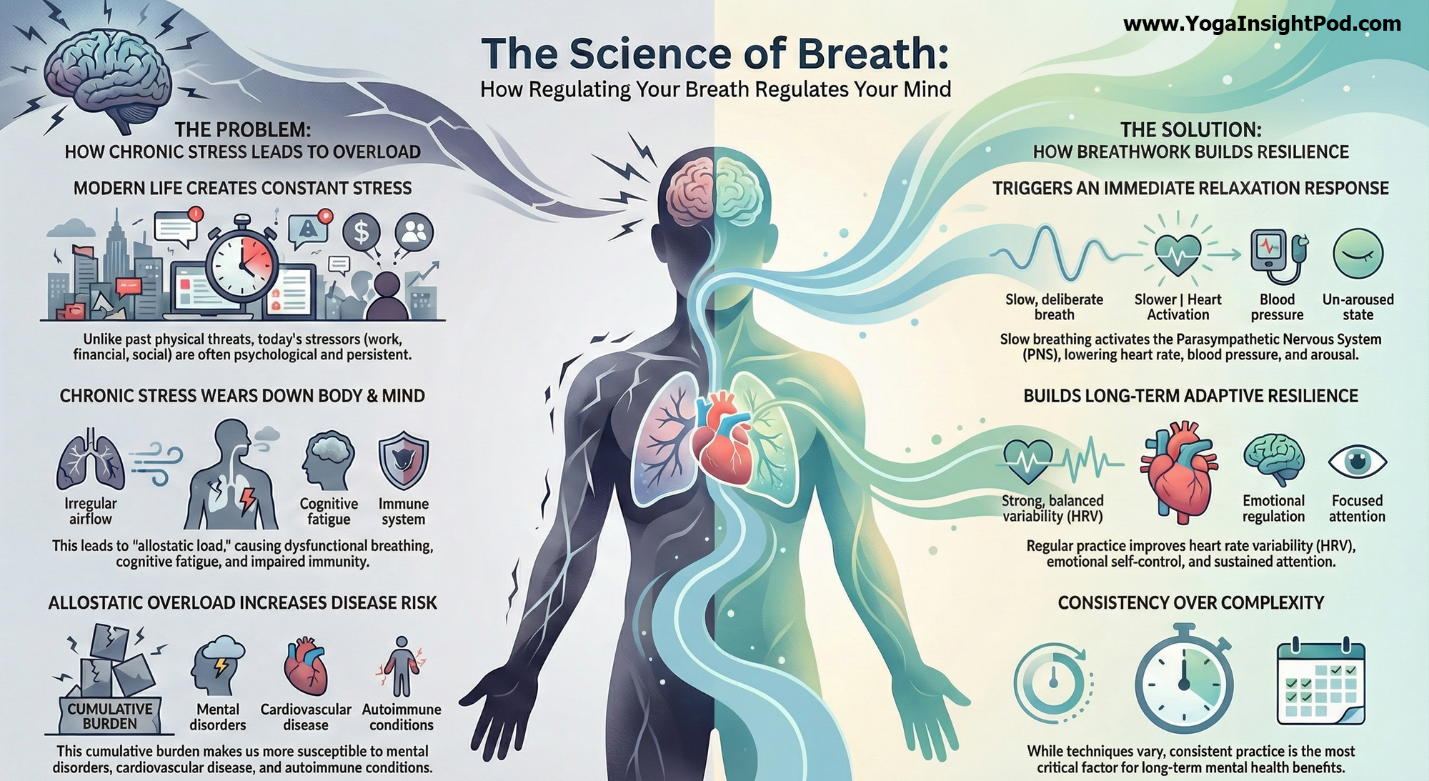
Stress is a normal adaptive response, activating the sympathetic nervous system and the hypothalamic–pituitary–adrenal (HPA) axis to support short-term survival. However, when stress becomes chronic, these systems remain persistently activated, disrupting sleep, metabolism, cardiovascular regulation, immune function, and brain health. Over time, this cumulative burden known as allostatic load is associated with reduced heart rate variability (HRV), impaired emotional regulation, cognitive dysfunction, and increased vulnerability to anxiety and depression. Low HRV, in particular, is a well-established biomarker of autonomic imbalance and reduced psychological resilience
Why Breathing Is Unique as a Therapeutic Tool
Breathing occupies a unique position among physiological processes. While largely automatic, it can also be consciously controlled. This dual control allows breathing to act as a direct interface between the mind and the autonomic nervous system. Through voluntary breath regulation, individuals can influence vagal nerve activity, respiratory sinus arrhythmia (RSA), cardiovascular rhythms, and brain oscillations mechanisms that are central to stress regulation and emotional balance
Core Mechanisms Behind Breathwork Benefits
1. Autonomic Nervous System Regulation
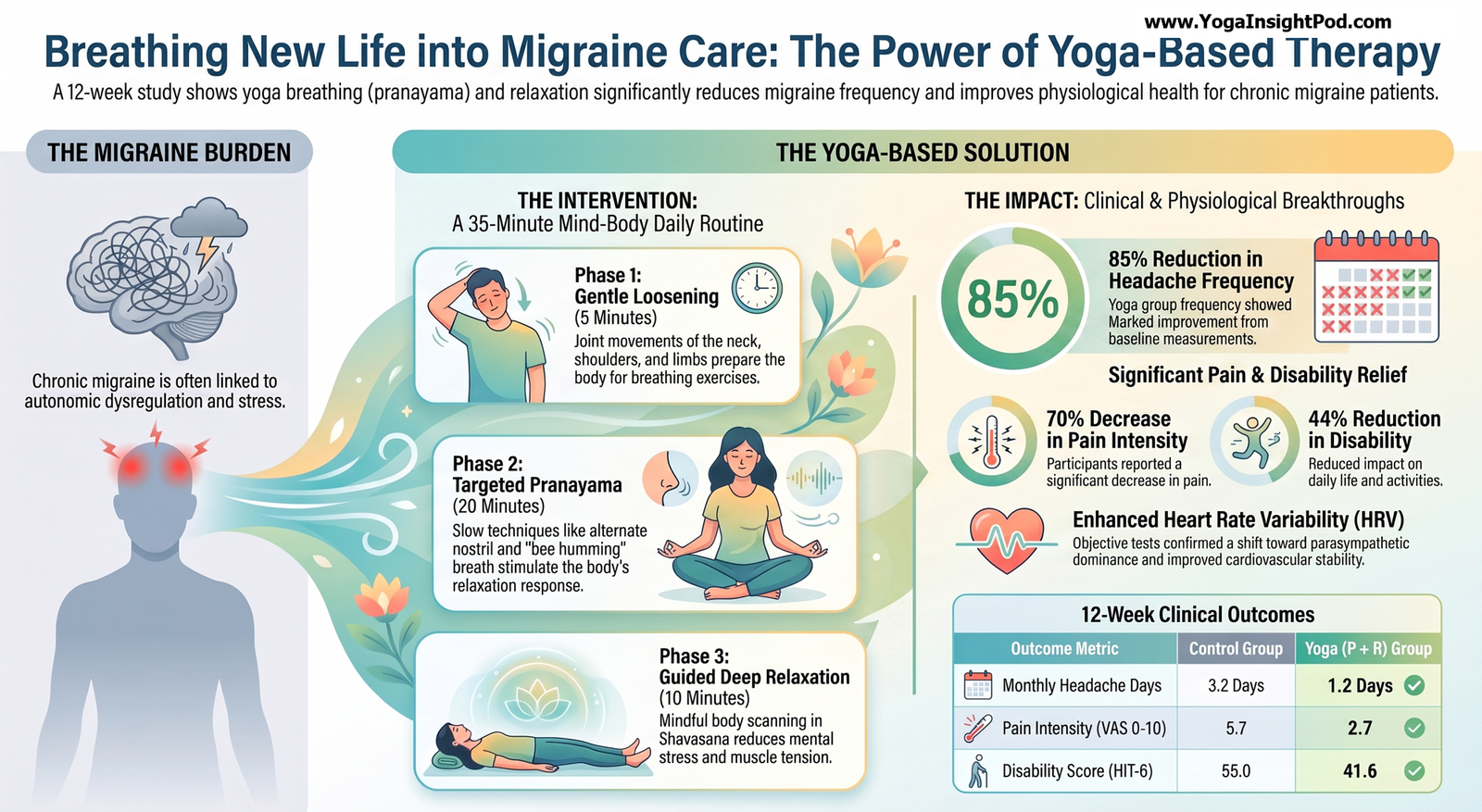
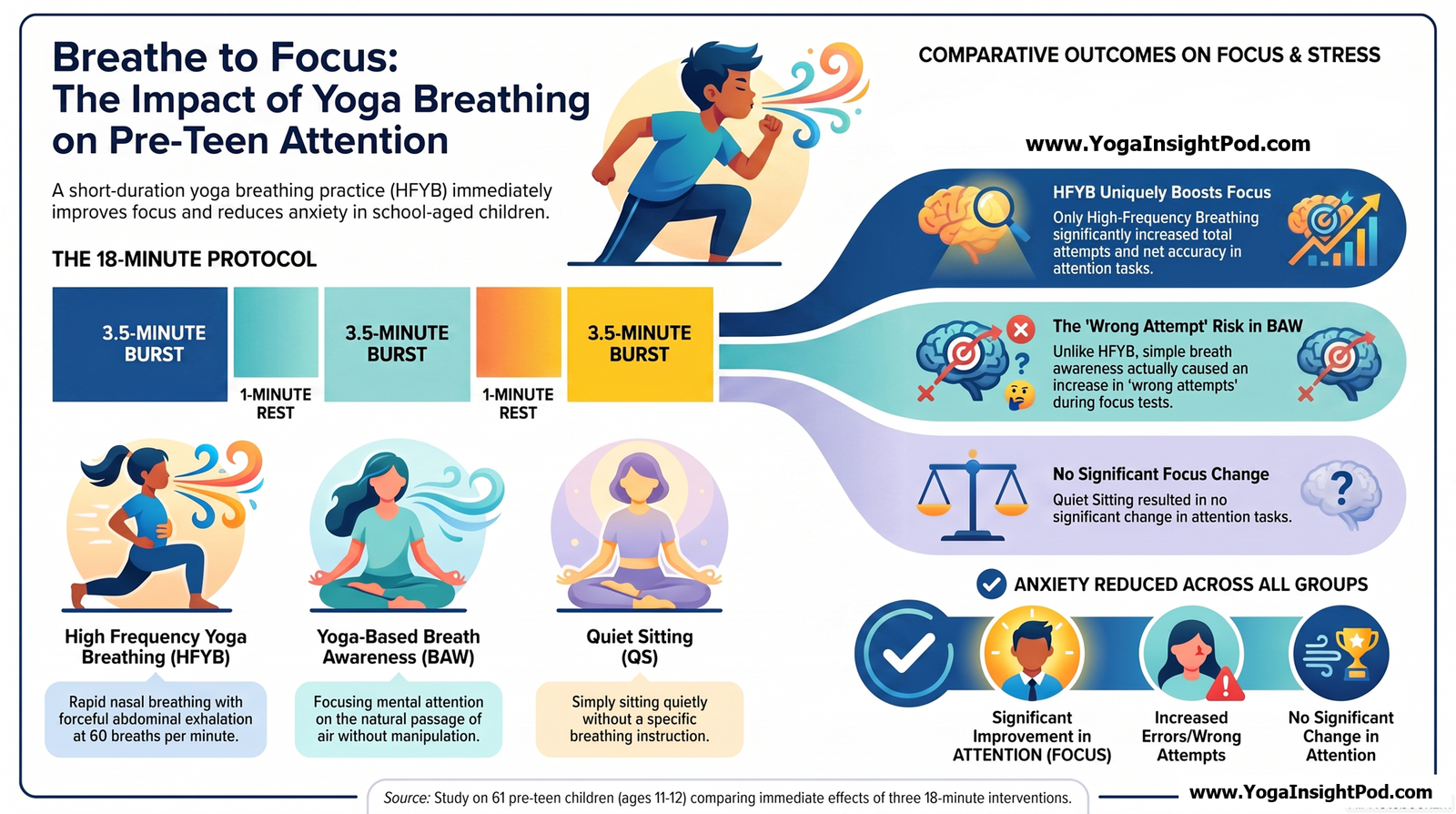
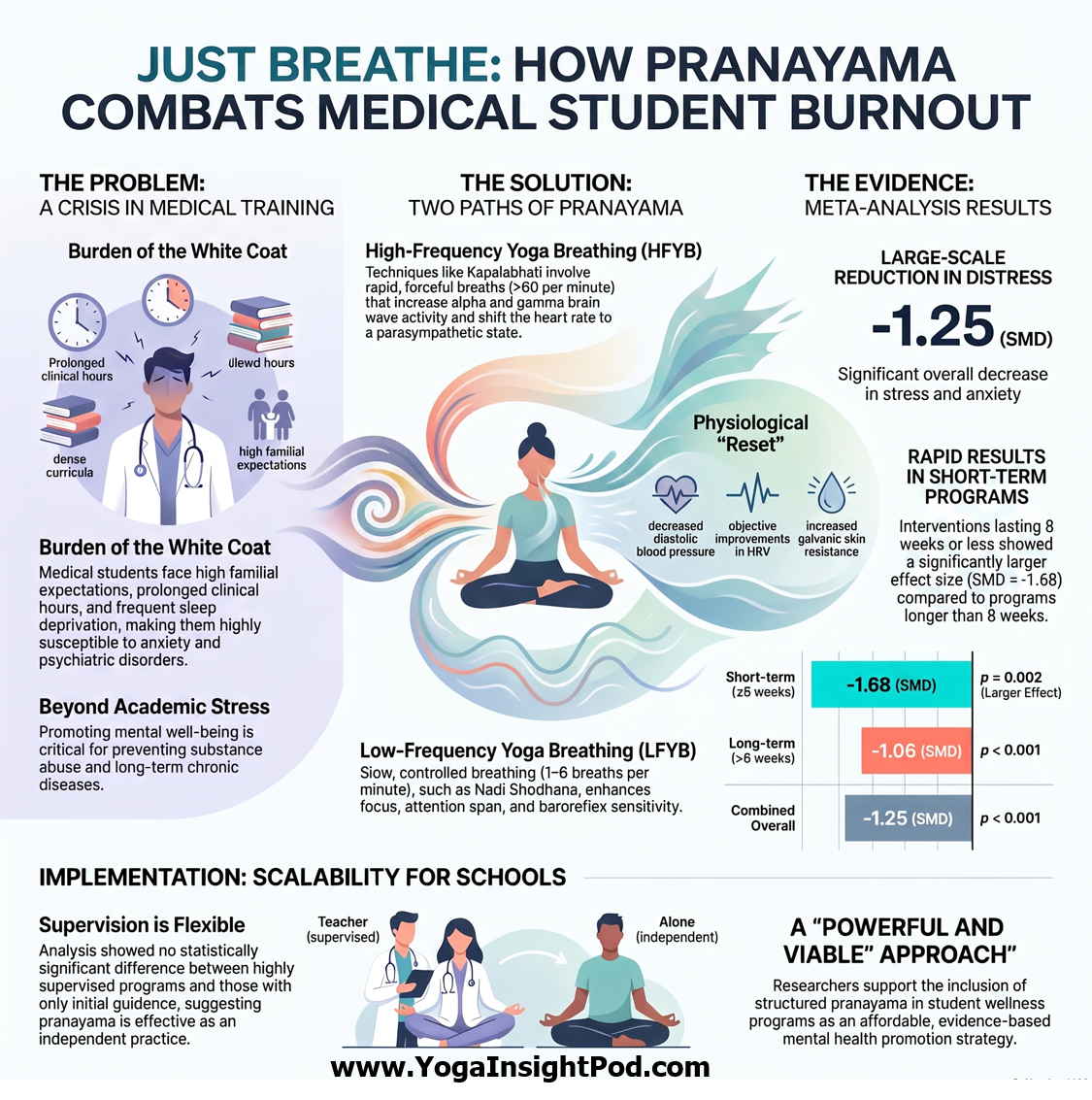
A substantial body of evidence shows that breathwork improves parasympathetic activity, primarily reflected through increases in HRV. Slow and controlled breathing enhances RSA, strengthens vagal tone, and shifts autonomic balance away from chronic sympathetic dominance. Although fast breathing techniques initially activate the sympathetic nervous system, studies suggest they may still lead to a delayed parasympathetic rebound, contributing to long-term autonomic resilience
2. Cardiorespiratory Coupling
Breathing at approximately six breaths per minute often referred to as coherent or resonant breathing maximizes synchronization between heart rate, respiration, and blood pressure oscillations. This phenomenon enhances baroreflex sensitivity and amplifies HRV, producing a pronounced relaxation response. Importantly, research indicates that while coherent breathing produces strong short-term physiological effects, its long-term mental health benefits may not differ significantly from other slow breathing approaches when practiced consistently
3. Breath–Brain Communication
Breathing rhythmically influences brain activity across cortical and limbic regions. EEG studies demonstrate that breathwork is associated with increased alpha and theta oscillations, reduced beta activity, and enhanced neural coherence patterns linked to relaxation, focused attention, and emotional regulation. Nasal breathing plays a particularly important role by stimulating the olfactory pathways, which project directly to brain regions involved in memory, mood, and stress processing. This mechanism may partially explain altered states of consciousness and emotional stability reported during breathwork practices
Does the Choice of Technique Matter?
Despite extensive research on individual breathing techniques, the review highlights a key finding:
most breathwork methods appear to converge toward similar long-term mental health outcomes, regardless of differences in pace, breathing ratio, or pattern. Large randomized controlled trials comparing different breathing styles including slow, fast, and placebo-paced breathing have shown comparable improvements in stress, anxiety, depression, and general well-being over time. These results suggest that the act of consciously regulating breathing itself, rather than a specific technique, may be the primary driver of psychological benefit
Breathwork Compared with Mindfulness
Both breathwork and mindfulness emphasize attention and present-moment awareness. However, breathwork may exert stronger and more immediate physiological effects due to its direct influence on respiratory mechanics, vagal activity, and HRV. While mindfulness meditation improves emotional awareness, evidence for its effect on HRV is mixed. In contrast, breathwork consistently demonstrates autonomic modulation, making it a particularly effective intervention for individuals experiencing high stress or autonomic dysregulation
Clinical and Preventive Implications
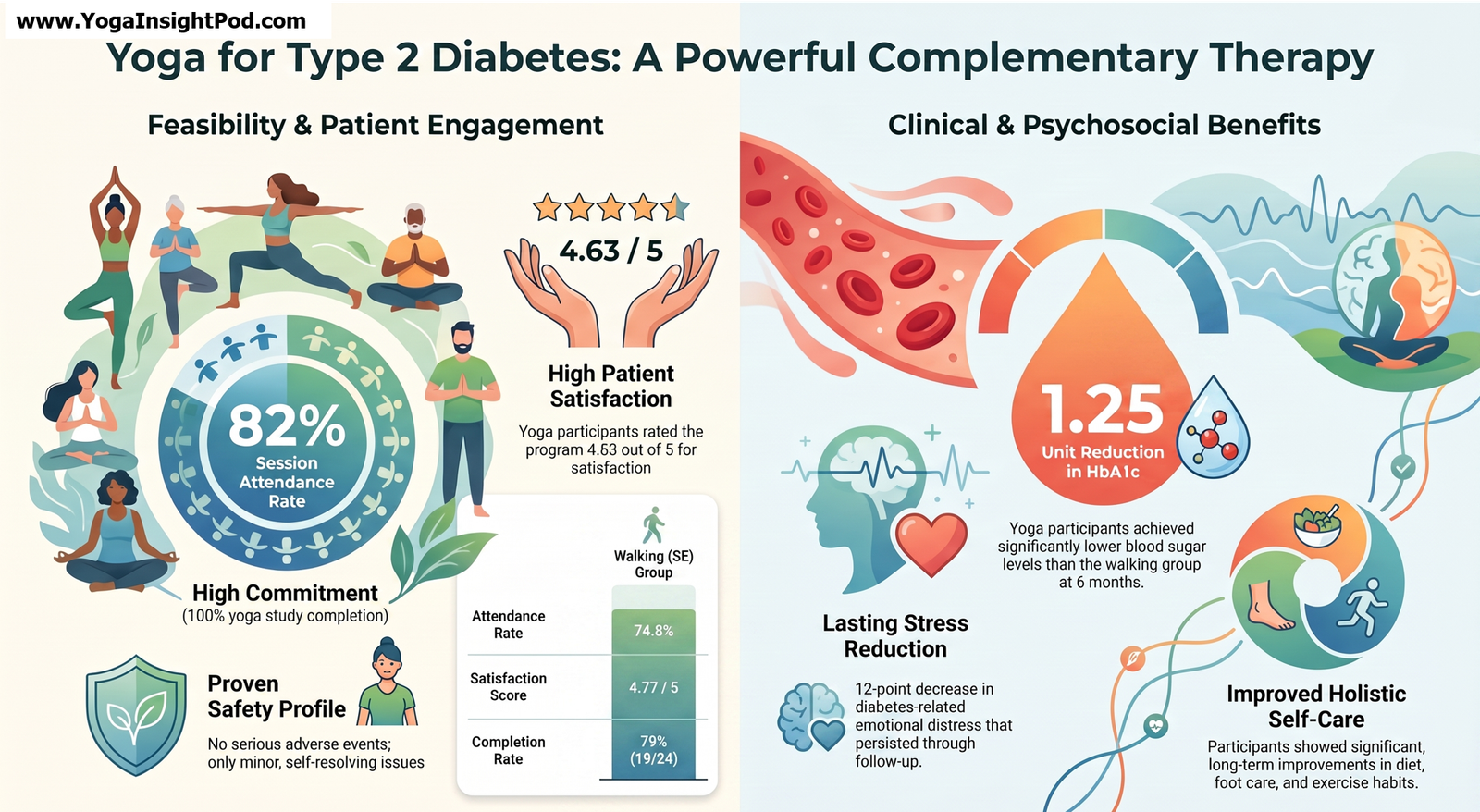
The review concludes that breathwork holds promise as both a preventive and adjunctive intervention for chronic stress, anxiety, and depression. By targeting key risk factors such as low HRV, impaired emotional regulation, and attentional dysfunction regular breathwork practice may enhance psychological resilience and support long-term mental health. However, the authors emphasize the need for higher-quality longitudinal studies, standardized protocols, and better control conditions to refine clinical recommendations.
Key Takeaway
Current scientific evidence suggests that breathwork is a powerful, accessible tool for managing chronic stress and supporting mental health. While different techniques may produce distinct short-term physiological responses, their long-term psychological benefits appear remarkably similar. Consistency, conscious engagement, and regular practice may matter more than selecting a specific breathing method.