
This blog talks about the review paper “Effects of Yoga on Gene Expression: A Systematic Review of Randomised Controlled Trials” by Selvaraj Giridharan et. al., on how yoga influences gene expression, inflammation, immune regulation, and cellular aging, based on evidence from randomized controlled trials. The review paper explores the molecular science behind yoga’s effects on stress, immunity, and long-term health through an evidence-based lens.
Yoga is widely known for easing stress and improving flexibility, but systematic review shows that its influence reaches deep into our genes. Analysing 11 randomized controlled trials conducted between 2015 and 2024 and involving more than 700 adults, the studies explore how yoga can reshape molecular pathways linked to inflammation, aging, and chronic disease. Across diverse groups people with rheumatoid arthritis, type 2 diabetes, obesity, breast cancer, hypertension, cognitive risk, and healthy adults yoga consistently shifted gene expression in a healing direction. Pro inflammatory genes such as IL 6, TNF α, and NF κB were downregulated, while anti inflammatory and immune regulatory genes like TGF β and FoxP3 were upregulated, suggesting a calmer, more balanced immune system. Yoga based programs also boosted genes involved in DNA repair and cellular longevity, including OGG1, SIRT 1, AMPK, KLOTHO, and TERT, pointing to better protection against oxidative stress and age-related damage.
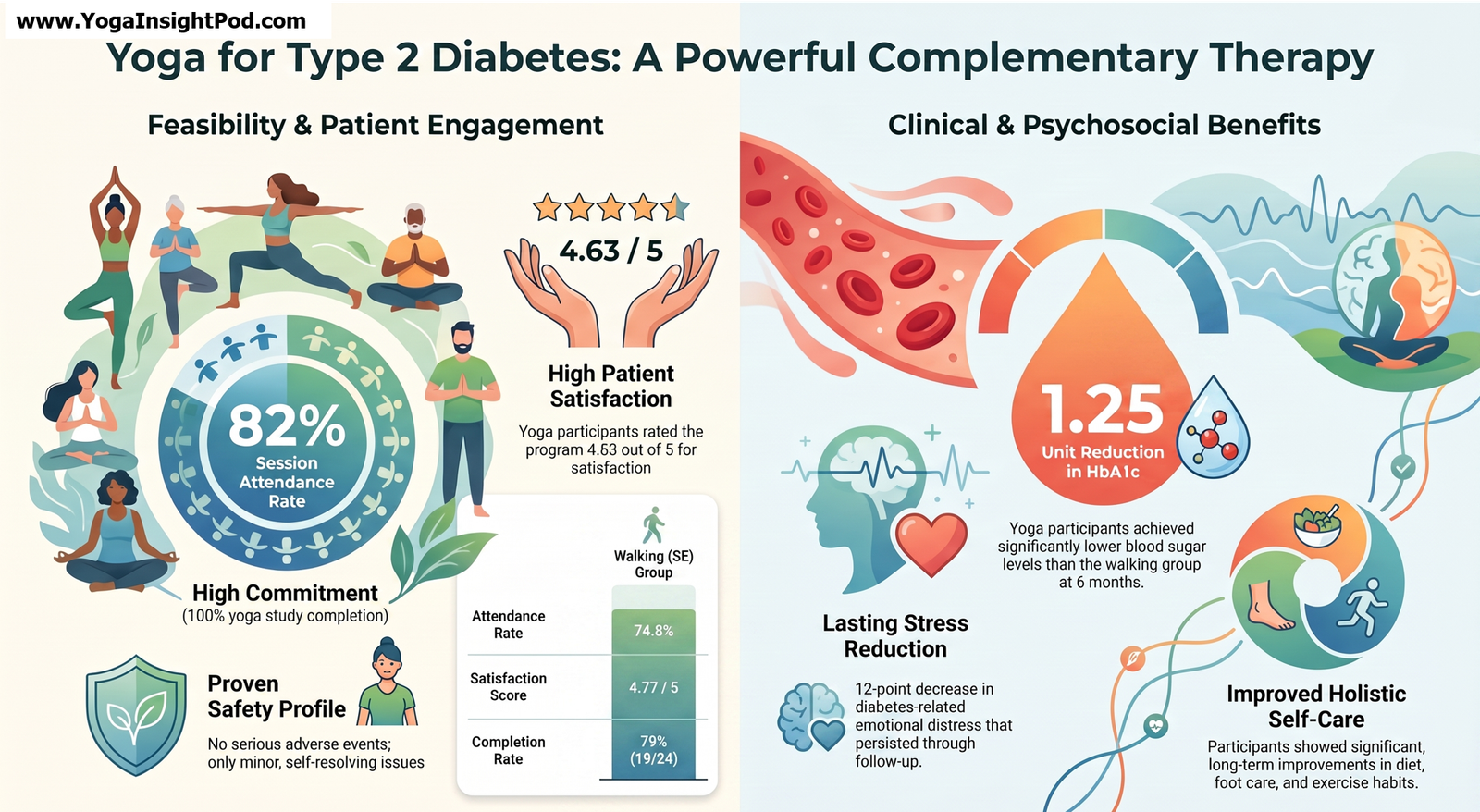
Studies go a step further by highlighting epigenetic changes shifts in how genes are switched on and off without altering the DNA sequence itself. Reduced TNF gene methylation in chronically stressed women and increased microRNA 133B in breast cancer survivors were linked with lower inflammation, less pain, and better quality of life. Clinically, these molecular changes aligned with meaningful improvements like reduced disease activity in rheumatoid arthritis, improved blood sugar control in diabetes, enhanced memory in at risk older women, and lower distress and anxiety in several groups. However, many studies were small, short-term, and varied in yoga style and intensity, so firmer conclusions will require larger, longer trials with standardized protocols. Still, the emerging message is compelling that is yoga is more than a feel-good practice; it appears to rewrite aspects of our biological script, offering a promising complementary tool for managing stress and inflammation related conditions from the genome up.