A groundbreaking randomized clinical trial by Hemant Bhargav and colleagues from the National Institute of Mental Health and Neurosciences (NIMHANS) and Harvard Medical School reveals how yoga may accelerate opioid withdrawal recovery by improving nervous system regulation, sleep, anxiety, and pain. Discover the science behind yoga, HRV, and addiction recovery.
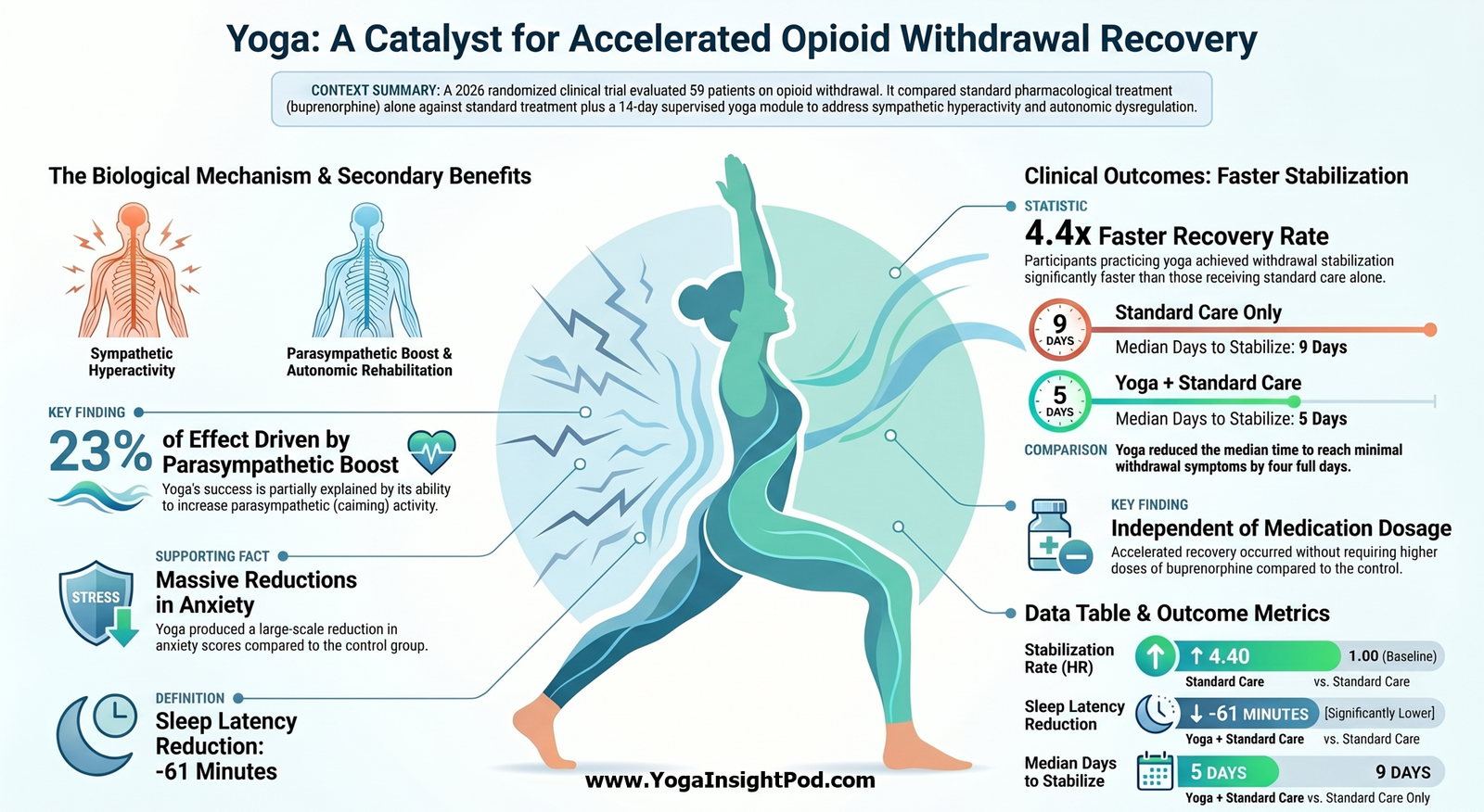
A newly published randomized clinical trial in JAMA Psychiatry suggests that yoga may significantly improve opioid withdrawal recovery when combined with standard medical treatment. Researchers found that patients practicing yoga alongside buprenorphine treatment stabilized withdrawal symptoms in a median of just 5 days, compared with 9 days in the medication-only group. The study focused on something increasingly discussed in neuroscience and wellness circles: autonomic nervous system regulation. Opioid withdrawal often pushes the body into “fight-or-flight” overdrive, leading to anxiety, insomnia, sweating, pain, and emotional distress. Researchers measured Heart Rate Variability (HRV), a biomarker linked to stress resilience and vagal tone, and found that yoga significantly improved parasympathetic nervous system activity.
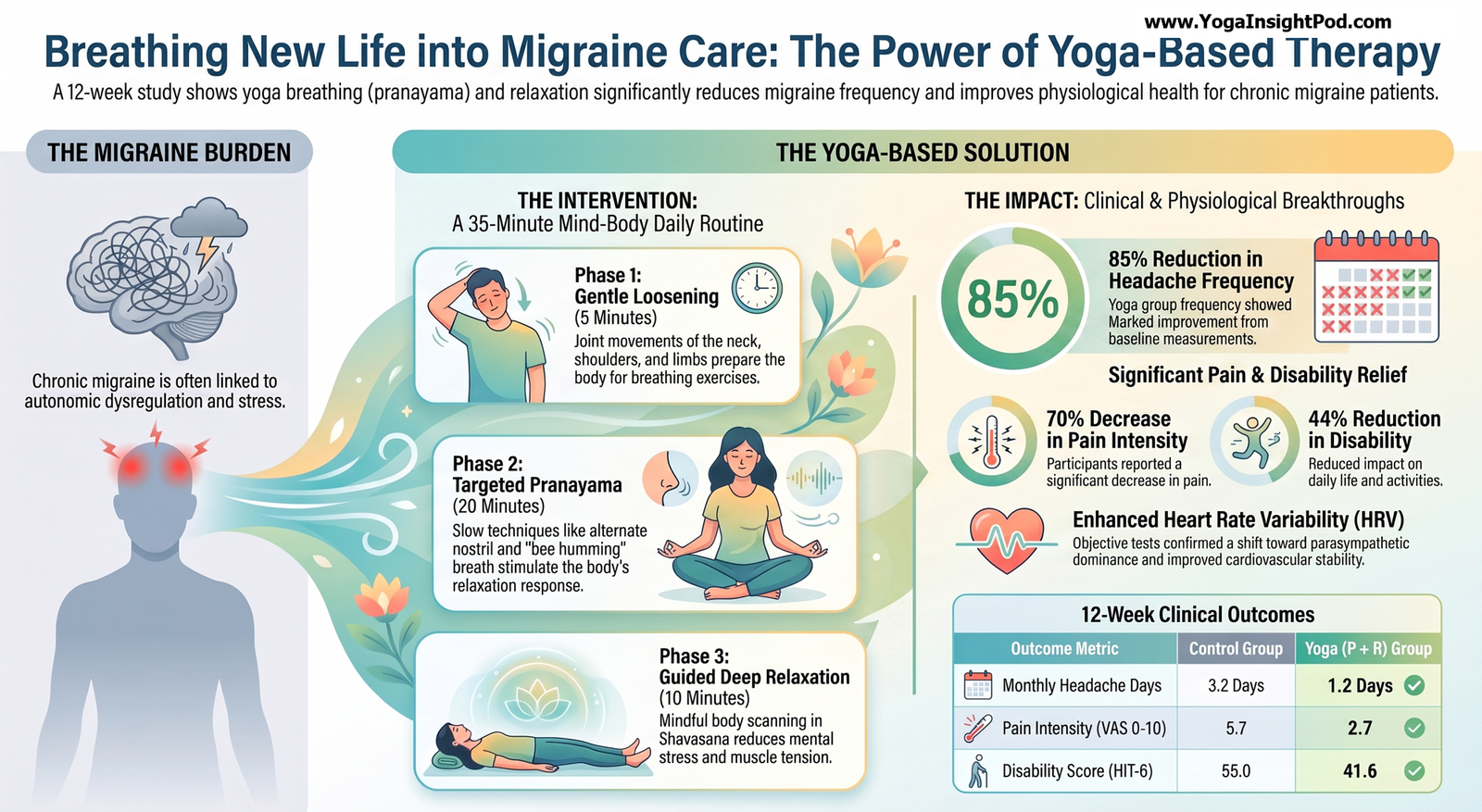
The yoga protocol included gentle postures, breath regulation practices such as Left Nostril Breathing and Bhramari pranayama, relaxation techniques, and guided Yoga Nidra style recovery practices. Participants also showed major reductions in anxiety, improved sleep latency, and lower pain perception. Perhaps most importantly, the study highlights a growing shift in addiction medicine: recovery may depend not only on symptom suppression, but also on restoring nervous system balance. While larger studies are still needed, this research provides compelling evidence that yoga could become a valuable neurobiological support tool in modern addiction recovery programs.