
Can yoga become part of mainstream healthcare? This review paper by Priya Gupta from Sant Hirdaram Medical College of Naturopathy and Yogic Sciences for Women explores how integrating yoga into primary health centers may help reduce chronic disease burden, improve mental health, and promote preventive wellness through low-cost holistic care.
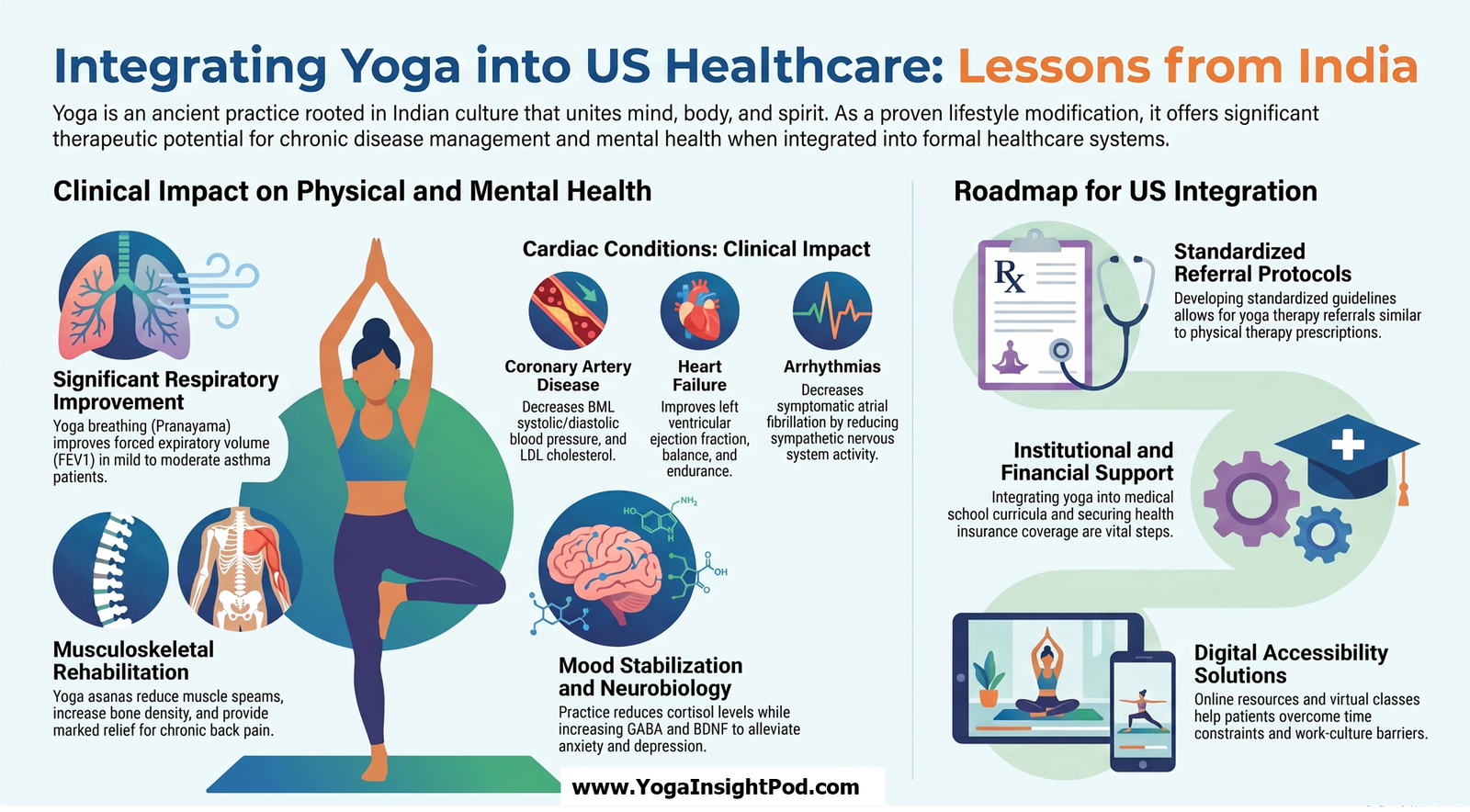
Modern healthcare systems worldwide are facing an unprecedented rise in chronic lifestyle diseases such as diabetes, hypertension, cardiovascular disease, obesity, anxiety, and depression. According to the review paper “Yoga at Primary Health Centers A Pathway to Holistic Health,” integrating yoga into primary healthcare may offer a powerful, low-cost strategy to improve public health outcomes. The paper highlights how yoga goes beyond physical exercise by addressing physical, mental, emotional, and even social well-being. Yogic practices including asanas, pranayama, meditation, relaxation, and mindful living may help reduce stress, improve cardiovascular function, enhance glucose regulation, support lung health, and strengthen emotional resilience. The review also discusses yoga’s growing role in rehabilitation programs for cancer, heart disease, COPD, addiction recovery, and neurological disorders.
One of the most important themes of the paper is the shift from “sick care” to preventive wellness. Rather than waiting for disease to develop, yoga-based lifestyle interventions may help target modifiable risk factors such as chronic stress, physical inactivity, poor diet, obesity, and sleep imbalance. The review also presents real-world examples of yoga integration in healthcare systems, including clinical yoga therapy programs and community-based wellness initiatives. As healthcare costs continue to rise globally, yoga may emerge as an accessible and scalable complement to conventional medicine. The growing scientific evidence suggests that combining modern healthcare with evidence-based yoga interventions could help build healthier, more resilient communities.