Yoga may influence heart rhythm through its effects on breathing, stress, vagal activity, and autonomic regulation. A scientific review by Dhanunjaya Lakkireddy, and colleagues affiliated with the Kansas City Heart Rhythm Institute, Texas Heart Rhythm Institute, Overland Park Regional Medical Center, Icahn School of Medicine at Mount Sinai, Sri Jayadeva Institute of Cardiovascular Sciences and Research, and the University of Memphis explores what this could mean for atrial fibrillation, syncope, and other cardiac arrhythmias.
The heart does not operate independently of the nervous system. Changes in sympathetic and parasympathetic activity can influence cardiac electrical activity, and the autonomic nervous system plays an important role in initiating and maintaining atrial arrhythmias. The review “Impact of Yoga on Cardiac Autonomic Function and Arrhythmias” explores whether yoga could help modify this relationship.
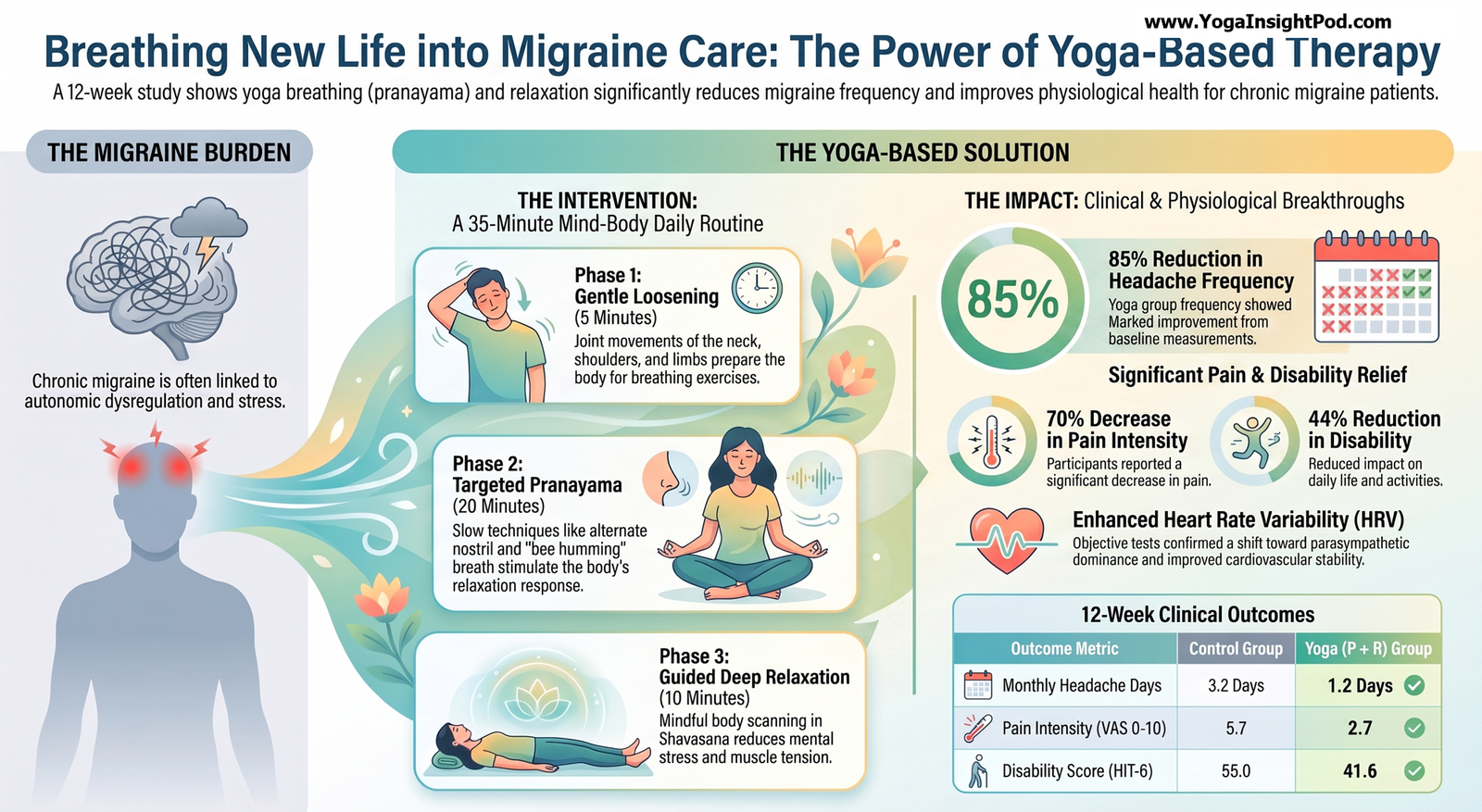
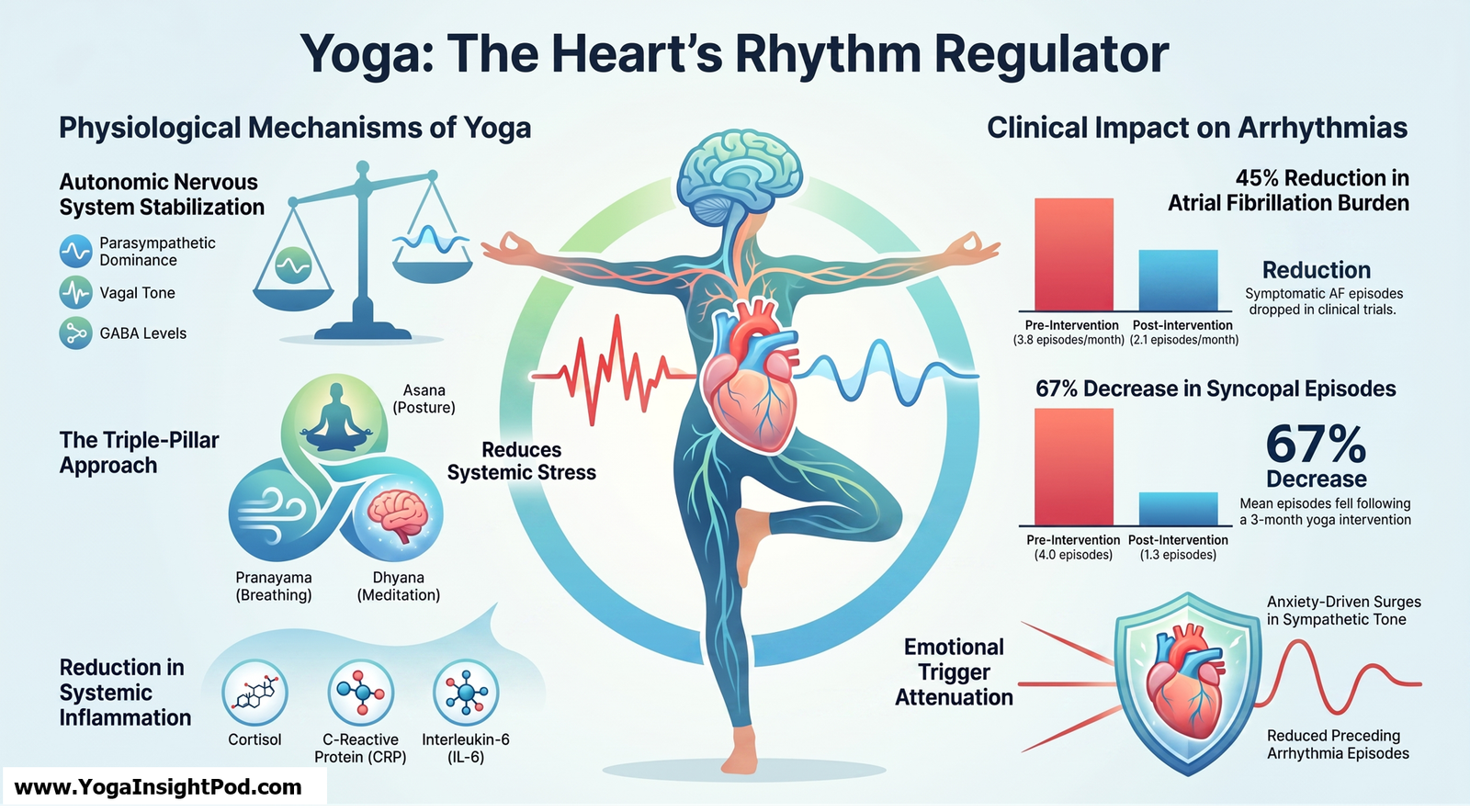
One proposed mechanism involves pranayama and controlled breathing. Yogic breathing may increase heart rate variability, improve sympathovagal balance, and promote stress resilience. The authors describe potential pathways involving respiratory stretch receptors, vagal afferent signaling, increased parasympathetic activity, and modulation of the stress response.
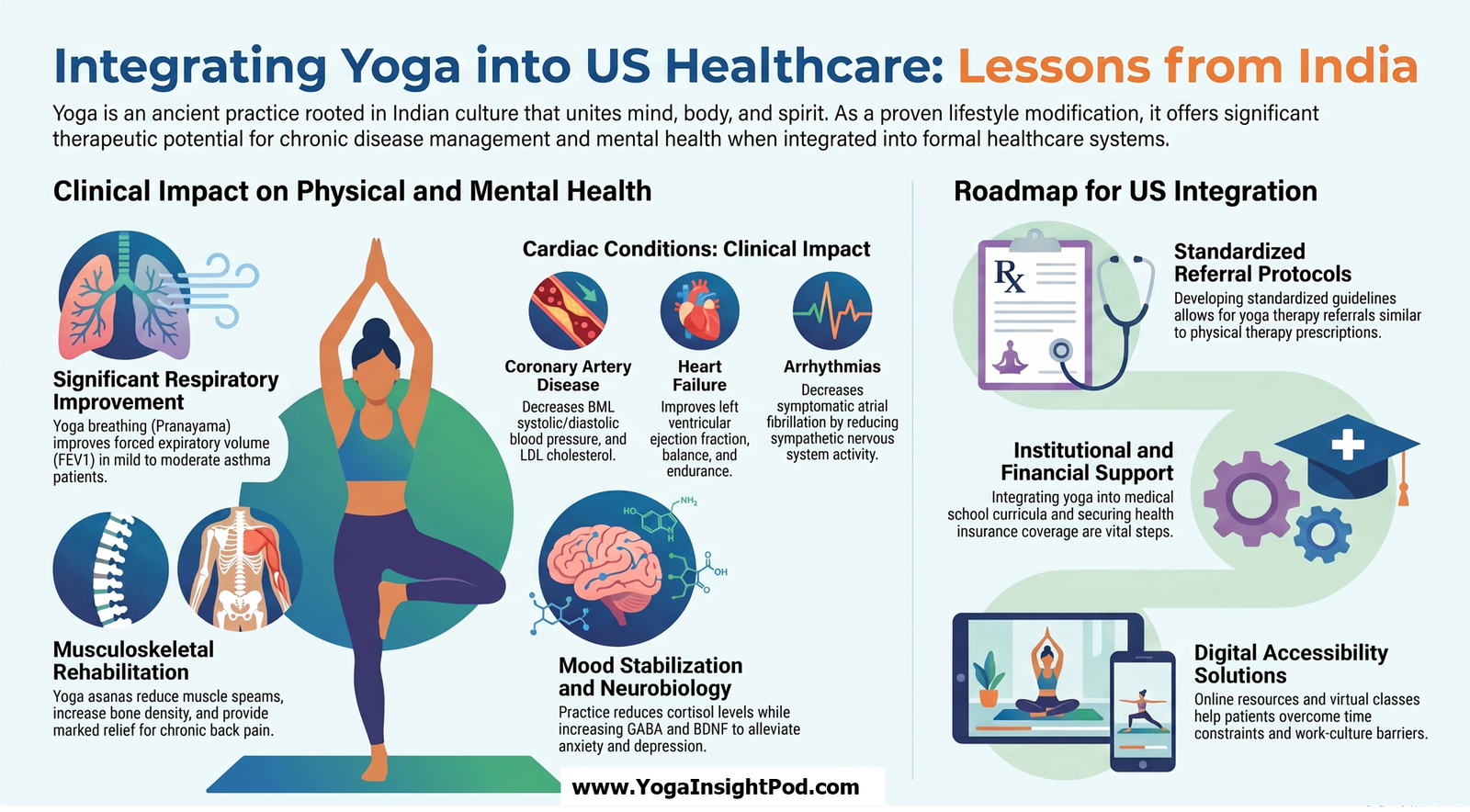
A particularly interesting finding comes from the YOGA My Heart Study. Forty-nine patients with atrial fibrillation participated in three months without yoga followed by three months of twice-weekly, instructor-led Iyengar yoga. During the yoga phase, symptomatic AF episodes declined from 3.8 to 2.1, while symptomatic non-AF and asymptomatic AF episodes also decreased. Heart rate, blood pressure, anxiety, depression, and quality-of-life measures improved as well.
The review also discusses preliminary evidence involving neurocardiogenic syncope and ventricular arrhythmias. Importantly, the authors describe yoga as an adjunct to modern medical therapy, not a replacement. They conclude that early findings are promising but emphasize the need for additional research across different dysrhythmias.