Can mindfulness meditation change how we experience pain? Discover findings from a systematic review of 21 scientific studies by Markus Ploesser and David Martin from the Fakultät für Gesundheit (Department für Humanmedizin), Lehrstuhl für Medizintheorie, examining how mindful awareness, attention, emotional regulation, and changes in brain activity may contribute to pain relief.
The Science Behind Mindfulness and Pain Relief
Can training the mind change how we experience physical pain? Scientific research suggests that mindfulness meditation may influence not only how strongly pain is felt but also how we emotionally respond to it.
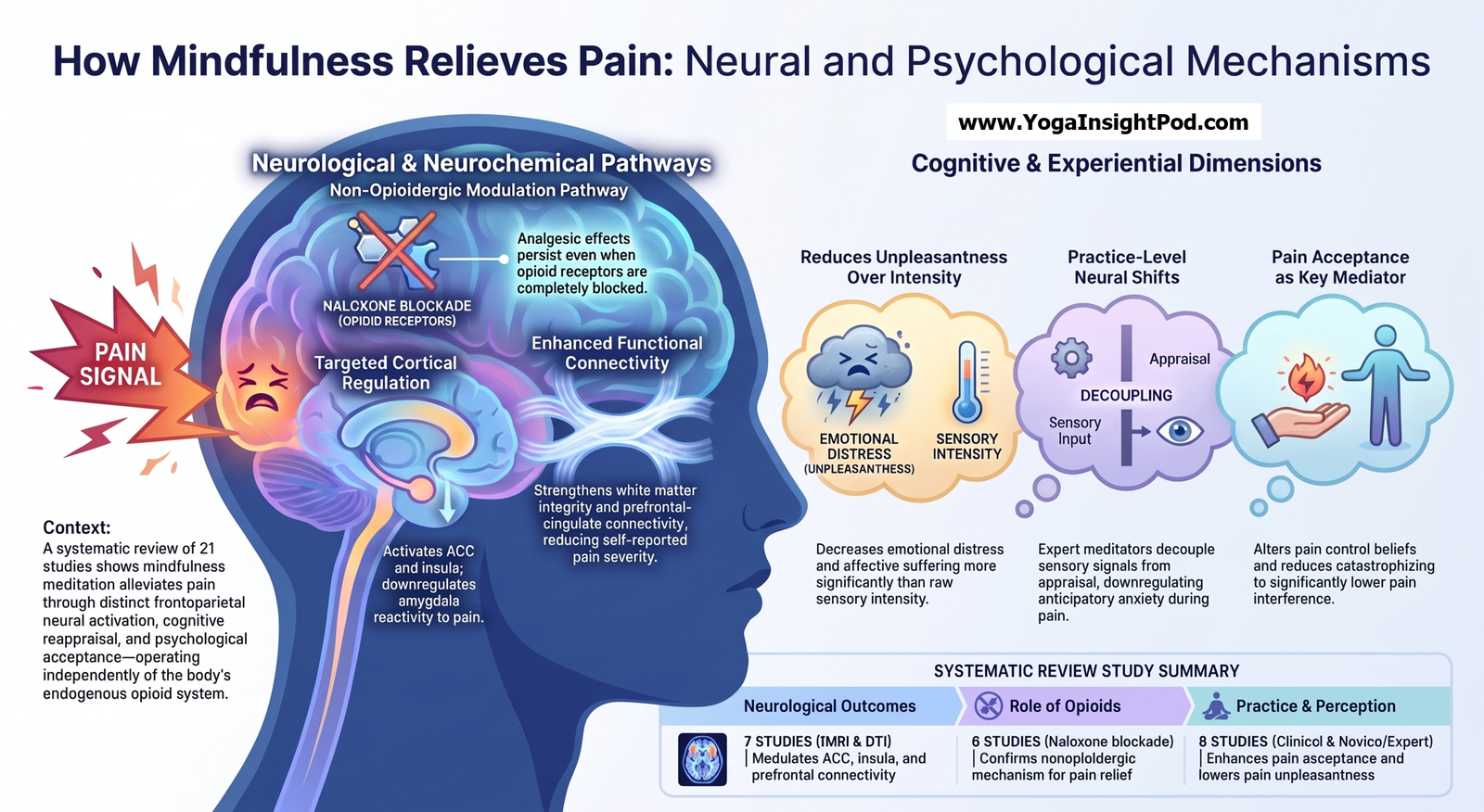
A systematic review by Markus Ploesser and David Martin, published in the Journal of Integrative and Complementary Medicine, examined 21 studies investigating the mechanisms behind mindfulness-based pain relief.
The review identified several potential pathways:
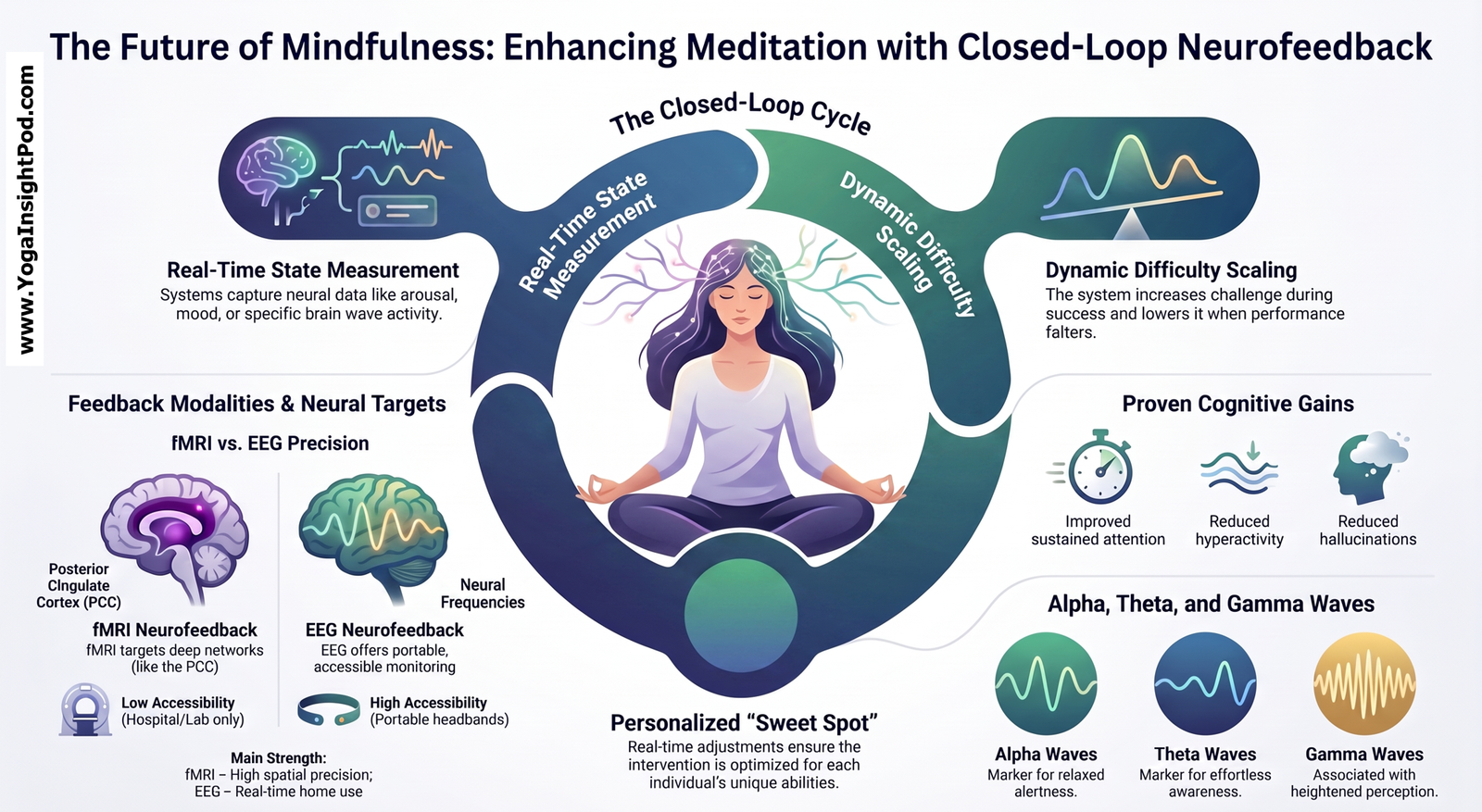
1. Changes in Brain Activity: Mindfulness meditation influences brain regions involved in pain processing, including the anterior cingulate cortex, anterior insula, and orbitofrontal cortex. These changes may support attention regulation and altered pain perception.
2. Mindful Acceptance: Practicing nonjudgmental awareness may reduce the emotional unpleasantness associated with pain. Acceptance and changes in pain-control beliefs emerged as important mechanisms.
3. Non-Opioid Pain Modulation: Several experimental studies found that mindfulness-related pain relief persisted even when opioid receptors were blocked, suggesting mechanisms independent of the body's natural opioid system.
4. Benefits of Continued Practice: Studies comparing experienced and novice meditators found that long-term practitioners experienced less pain unpleasantness, even when pain intensity remained similar.
What Does This Mean?
Mindfulness may help change our relationship with pain through attention, awareness, and emotional regulation.
However, most studies involved healthy participants experiencing experimental pain. Further research is needed to establish how these mechanisms translate into lasting benefits for people living with chronic pain.
The takeaway: Mindfulness offers a promising approach to understanding and potentially improving how the brain and mind respond to painful experiences.