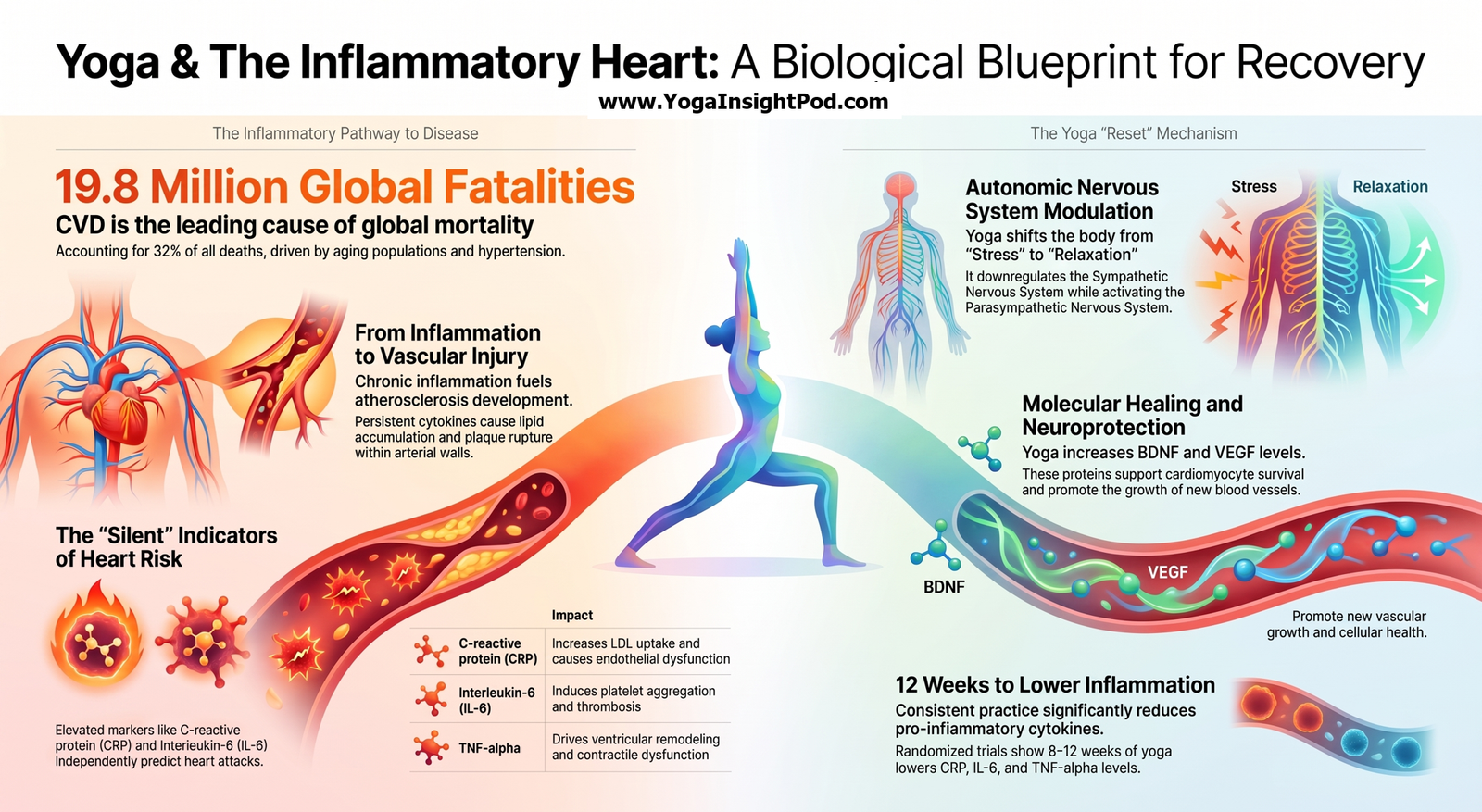
Can regular yoga practice influence the inflammatory processes associated with cardiovascular health? A systematic review by Swati Kumari Choudhary and colleagues from Panjab University, the Post Graduate Institute of Medical Education and Research, and the All India Institute of Medical Sciences, Rishikesh examines how yoga may affect inflammatory markers, autonomic regulation, endothelial function, and cardiovascular rehabilitation.
Yoga is widely associated with flexibility, relaxation, and stress management but could its effects reach deeper into the biological processes associated with cardiovascular health?
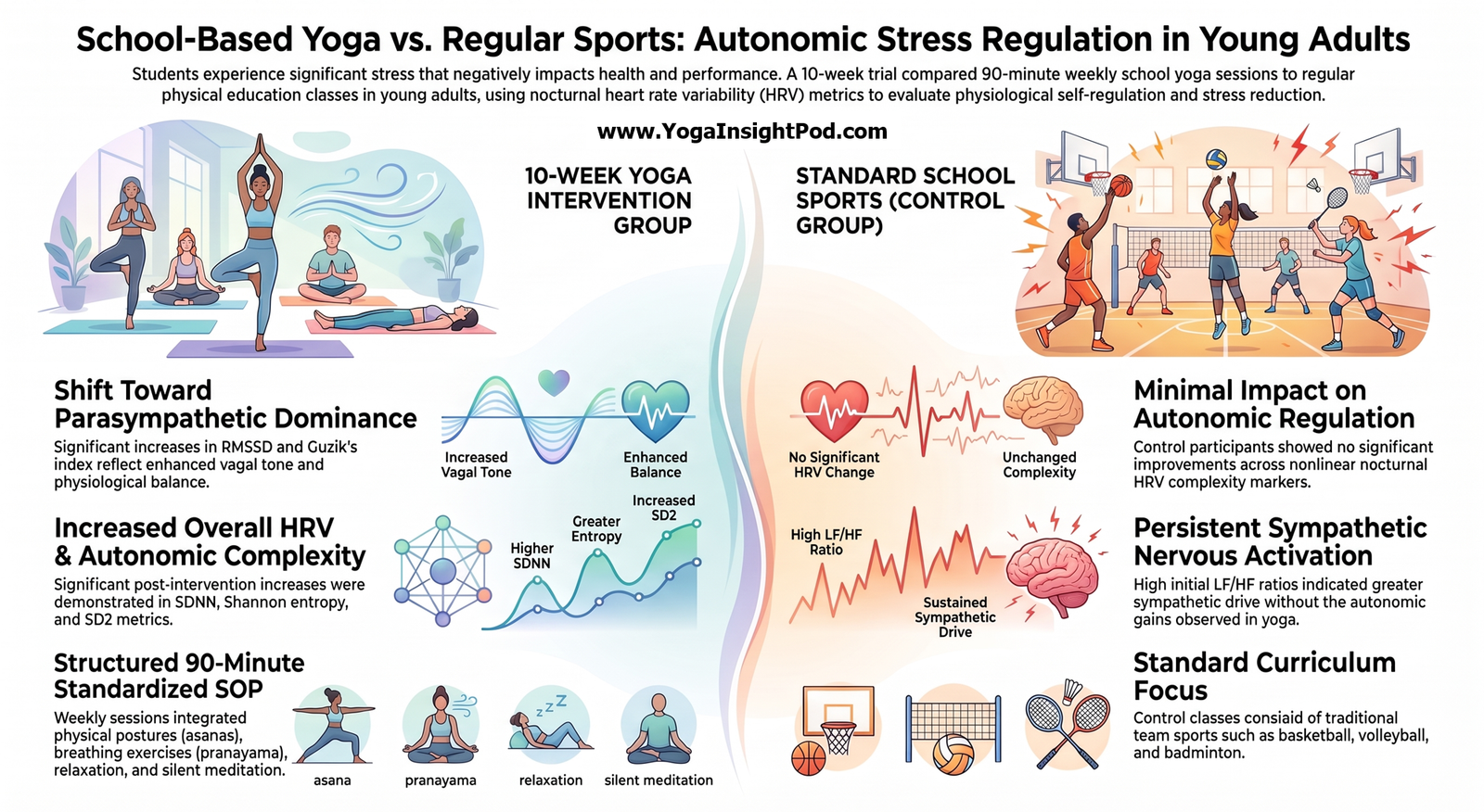
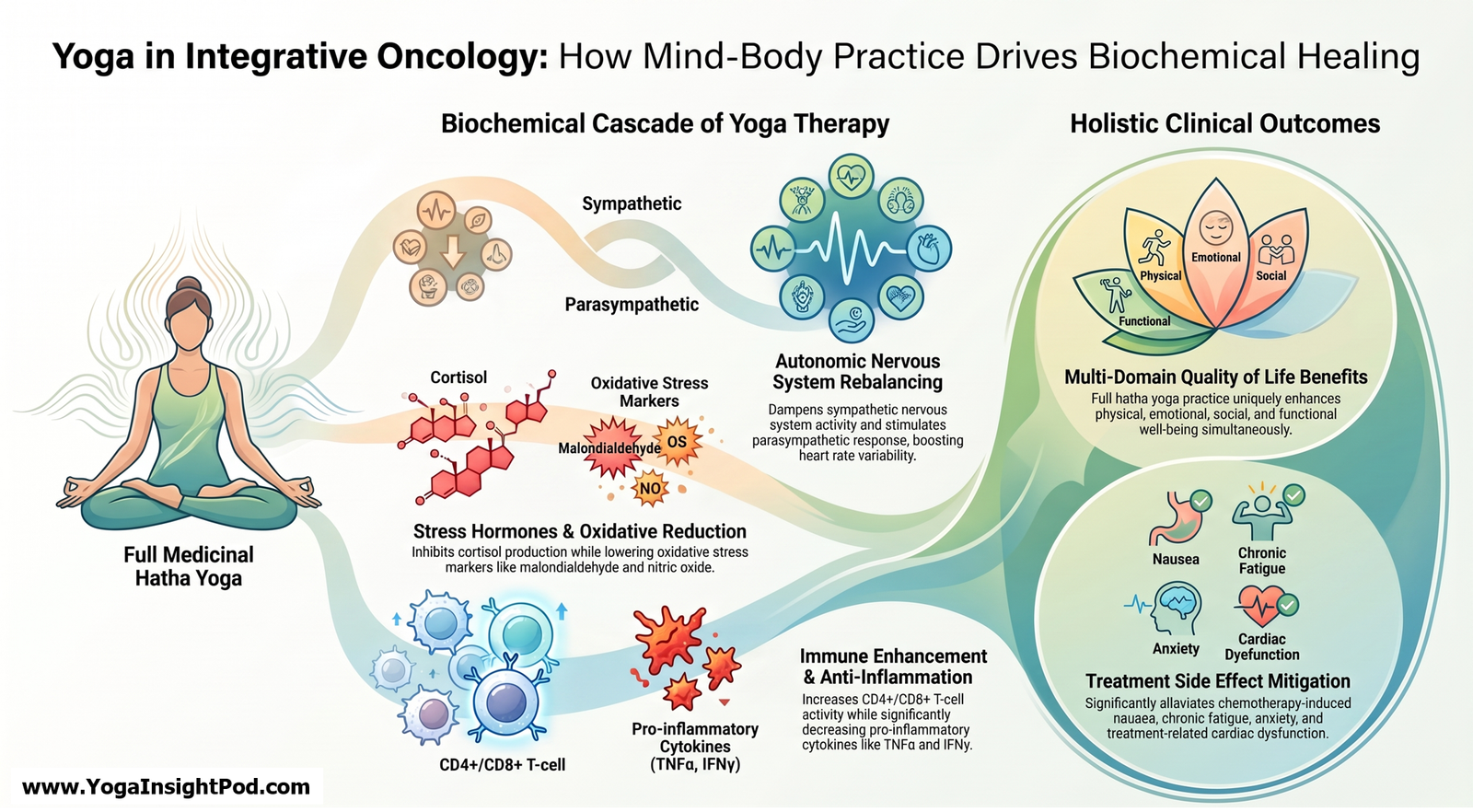
A 2026 systematic review by Swati Kumari Choudhary and colleagues examined research on yoga and inflammatory markers associated with cardiovascular health and rehabilitation. Particular attention was given to C-reactive protein (CRP), interleukin-6 (IL-6), and tumour necrosis factor-alpha (TNF-α) markers associated with systemic inflammation. Across the studies reviewed, yoga interventions were associated with reductions in several pro-inflammatory markers. The authors discuss multiple pathways that could potentially contribute to these effects, including reduced sympathetic activity, increased parasympathetic activity, stress regulation, and improved endothelial function. Yoga practices incorporating asana, pranayama, and meditation may also support vascular function through mechanisms involving nitric oxide availability and reduced oxidative stress.
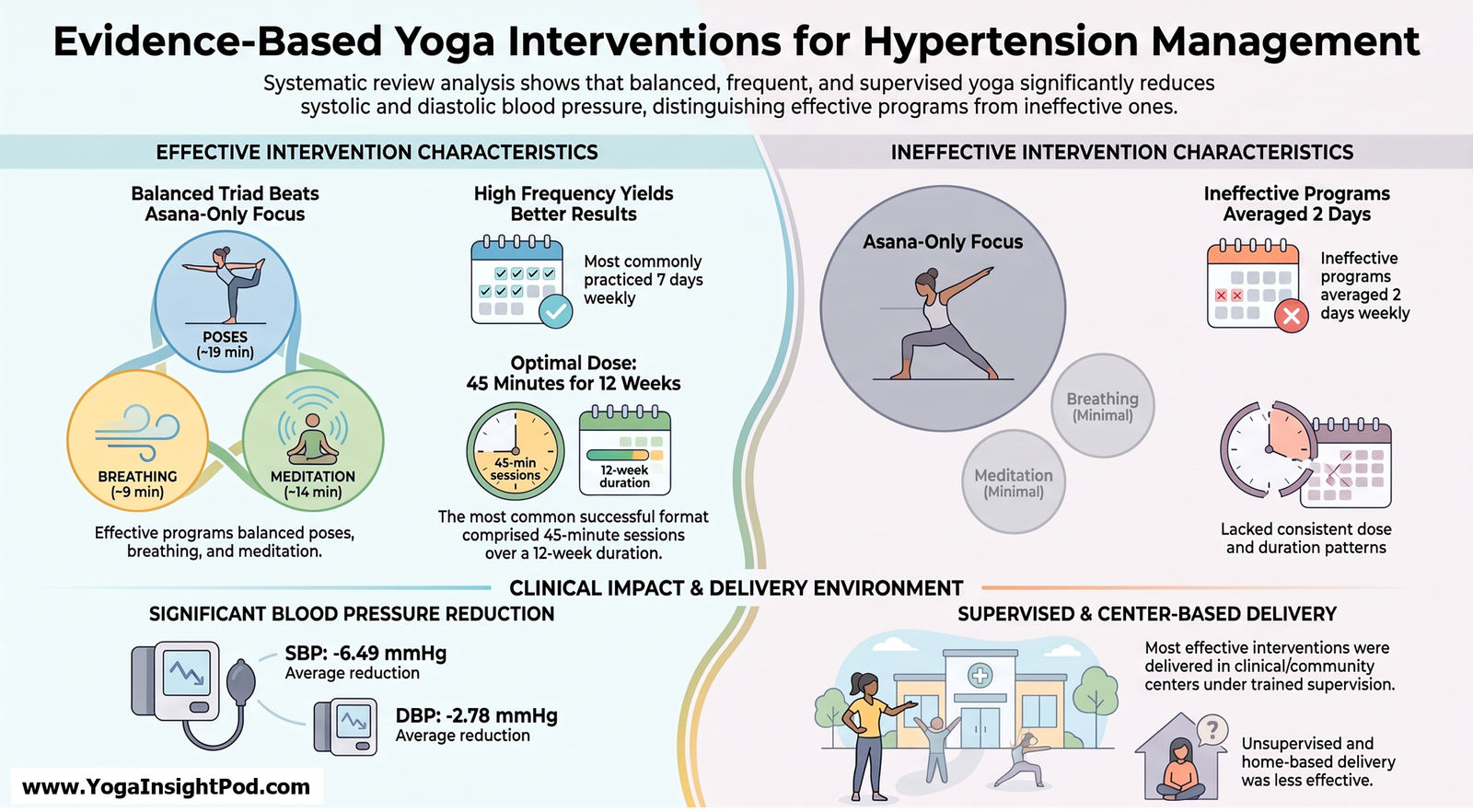
The review also considers yoga as an adjunct to cardiac rehabilitation, particularly because conventional rehabilitation programs can face barriers involving cost, access, transportation, and participation. However, the evidence is not definitive. Yoga interventions varied considerably in style, duration, and intensity, and the authors identify limitations involving study size, methodological quality, demographic representation, and long-term follow-up. They call for larger trials and more standardized yoga protocols.
The emerging picture is intriguing: yoga may influence cardiovascular health not simply through movement, but through an interconnected network involving stress regulation, inflammation, vascular function, breathing, and autonomic balance.